 Get Listed

Workshop Vacuum Maintenance Checklist
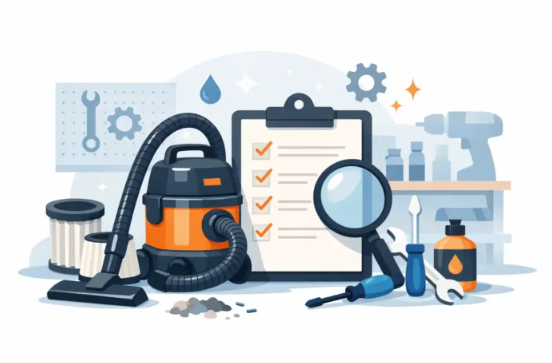
A workshop vacuum usually gives you plenty of warning before it fails – weaker suction, hotter running, dust escaping at the exhaust, blocked hoses, filters loading too quickly. In a busy plant, those signs are easy to ignore until productivity drops or a simple service issue turns into an avoidable repair. A proper workshop vacuum maintenance checklist helps keep performance stable, protects operators and extends the life of equipment that often works far harder than standard commercial machines ever do.
For industrial users, maintenance is not simply about keeping a machine tidy. It affects dust control, housekeeping standards, component wear, energy use and, in some environments, site safety and compliance. Whether the vacuum is handling fine dust, metal swarf, oil and coolant, or mixed workshop waste, the service routine should match the application rather than follow a generic cleaning schedule.
Why a workshop vacuum maintenance checklist matters
In most workshops, vacuum systems are part of the production environment, not an optional extra. If the machine is used daily around CNC equipment, fabrication areas, maintenance bays or assembly lines, even a small drop in suction can slow cleaning tasks and leave debris where it should not be. That can increase slip risks, contaminate processes and place extra strain on operators who compensate by spending longer on each cleaning cycle.
There is also a cost issue. Filters that are left overloaded force the motor to work harder. Hoses carrying abrasive material can wear through if they are not checked. Collection containers that are overfilled can reduce airflow and allow material to enter areas of the machine where it should not go. Most of these failures do not happen suddenly. They build from neglected routine checks.
A good checklist creates consistency. It gives operators a clear standard, helps maintenance teams spot trends early and makes it easier to plan servicing before the machine becomes unreliable.
The daily workshop vacuum maintenance checklist
Daily checks should be quick enough to complete before the shift or at the end of use, but thorough enough to catch the issues that cause most unplanned stoppages.
Start with the power cable, plug and controls. Look for crushed sections, cuts in the insulation, loose fittings or signs of overheating. On fixed or centralised systems, the same principle applies to the electrical isolator, starter arrangement and visible connection points. If the machine is used in a harsh environment with frequent movement, cable damage is more likely than many teams expect.
Check the collection container before operation, not after it is already full. A drum or bin nearing capacity can reduce airflow long before it looks completely packed. Wet material, heavy swarf and fine dust all behave differently here, so the safe fill level depends on the application. Fine powder may bridge and compact, while mixed waste can obstruct the inlet path.
Inspect the hose, wand and floor tools for restrictions and wear. A partial blockage often presents as poor suction at the point of use even though the motor sounds normal. If the vacuum is recovering sharp or abrasive material, pay particular attention to bends, cuffs and internal hose walls. These are common failure points.
Filters should be checked for visible loading, damage or incorrect seating. If the vacuum uses a manual or automatic filter cleaning system, operators should confirm it is functioning as intended. A filter can look serviceable from the outside and still be heavily blinded, so reduced airflow should never be dismissed purely because the filter appears intact.
Finally, listen to the machine during operation. Changes in pitch, unusual vibration or a hotter-than-normal body temperature often indicate developing problems with airflow, motor strain or internal obstruction.
Weekly checks that prevent bigger faults
A weekly routine allows more time for inspection and basic servicing. This is where many long-term reliability gains are made.
Remove and clean filters in line with the manufacturer’s guidance and the material being collected. Some filter media can be cleaned effectively, while others should be replaced once performance drops or damage appears. It depends on the machine design, the dust type and whether the application demands high-efficiency filtration. In industrial settings, forcing extra life from a spent filter is often a false economy.
Check seals, gaskets and latches around the collection area and filter housing. Air leaks reduce suction and can allow dust to bypass the intended filtration path. On vacuums used for hazardous or fine particulate, sealing integrity matters even more because the issue is not only lost performance but also uncontrolled release.
Examine the inlet, deflector and internal chamber for material build-up. Oily dusts, stringy waste and compacted fines can gradually restrict internal airflow. Machines handling mixed waste streams are particularly prone to this. If the vacuum is regularly recovering both dry solids and liquids, the cleaning routine may need tightening to prevent residue hardening inside the vessel.
The castors, frame and handles should also be inspected. Portable workshop vacuums are moved frequently across uneven floors, thresholds and around machinery. Damage here may seem cosmetic, but poor mobility affects safe handling and can strain hoses, cables and operator technique.
Monthly maintenance and planned service points
Monthly checks should go beyond visible wear and focus on the machine as an engineered system.
Test suction performance against the expected standard for the application. This does not always require complex instrumentation, although some sites will prefer measured airflow or vacuum readings. The key is to compare current performance with known good operation. If the machine is taking longer to recover the same material, there is a reason.
Inspect the motor housing, cooling path and exhaust area for dust build-up. Restricted cooling shortens motor life, especially where vacuums run for extended periods. Workshops with high airborne dust levels should pay close attention here because contamination can be gradual and easy to miss.
Review wear parts and consumables. Hoses, nozzles, brushes, seals and filters should be assessed not only for current condition but also for remaining service life. Keeping critical spares on hand reduces downtime and avoids the temptation to run equipment in poor condition.
If the vacuum operates in an ATEX-rated or otherwise controlled environment, maintenance should follow the specific requirements for that machine and zone classification. That includes using the correct replacement parts and ensuring no modifications compromise certification or safe operation.
Adapting the checklist to the material you collect
Not every workshop vacuum should be maintained in the same way. Fine dust applications usually demand closer attention to filtration, seal condition and safe emptying procedures. Metal swarf recovery places greater emphasis on abrasion, hose wear and container weight. Wet recovery introduces another set of priorities, including float systems, liquid residue management and corrosion checks.
This is where standard checklists often fall short. A machine recovering dry composite dust for most of the week and coolant-contaminated waste during maintenance shutdowns will need a more tailored routine than a simple calendar-based service plan. The right maintenance frequency depends on operating hours, material type, duty cycle and the consequences of lost suction in that area of the plant.
Forvac Industrial typically sees the best long-term performance where customers align maintenance with the actual process rather than treating all workshop vacuums as interchangeable units.
Operator habits that make maintenance easier
Routine care is not only a maintenance department issue. Operator behaviour has a direct effect on service intervals and equipment life.
Emptying the container at the right point rather than running it until suction collapses is one example. Using the correct hose and accessory for the material is another. A narrow tool may improve pickup on fine dust, but it can create repeated blockages if used on stringy or heavy waste. Likewise, dragging the machine by the hose or cable will shorten component life no matter how well the rest of the service plan is managed.
Brief operator training tends to pay back quickly. When teams know what normal performance looks like, they report changes sooner. That often prevents minor airflow issues from becoming motor or filtration problems.
When a checklist is no longer enough
A checklist is valuable, but it has limits. If the same faults return repeatedly, if filters load unusually fast, or if the vacuum is routinely underpowered for the waste being collected, the problem may not be maintenance alone. It may be a specification issue.
That is common in workshops using equipment that was never designed for continuous industrial duty, heavy debris, or hazardous material. In those cases, more frequent cleaning will not fix the underlying mismatch. The better solution is to review the application, airflow requirement, filtration level, container size and duty cycle against the actual site demand.
A reliable workshop vacuum should support productivity, not become another maintenance burden. The most effective checklist is the one built around the machine, the material and the way the site really operates. Get that right, and maintenance becomes less about firefighting and more about keeping a critical piece of equipment ready for the next shift.
For more information on Workshop Vacuum Maintenance Checklist talk to Forvac Services Ltd