 Get Listed


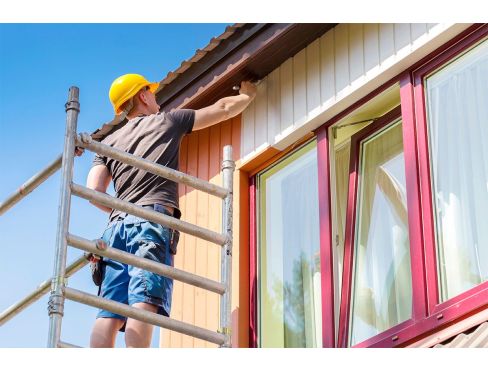
If you’re planning major home improvements like replacing a roof, painting upper floors, or installing new guttering, the chances are you’ll need scaffolding. While ladders work for smaller jobs, scaffolding provides a far safer and more stable platform for extended projects. But scaffolding isn’t just about hiring some metal poles and boards. To use it safely and effectively, you need to know the dos, don’ts, and safety essentials of scaffolding a house. Whether you’re a homeowner tackling DIY or arranging scaffolding for contractors, TopTower have created this guide to help you make informed decisions and stay safe throughout the duration of your home project.
Why use scaffolding for house projects?
Before diving into the rules, it’s worth asking: why bother with scaffolding at all?
- Safety first: Falls from height remain one of the most common causes of accidents in home renovation. Scaffolding gives you a secure platform to work from, reducing risks dramatically.
- Better efficiency: Working from scaffolding means fewer trips up and down ladders, giving you more time to focus on the job.
- Reach and access: Multi storey houses, tricky rooflines, and chimneys all require safe access. A scaffold tower can get you where ladders can’t.
- Compliance: Many larger projects legally require scaffolding to meet UK safety standards.
Scaffolding Dos
When scaffolding a house, there are several best practices to keep in mind. These dos will help you get it right from the start.
1. Do choose the right scaffolding for the job
There are many different types of scaffolding suited to different purposes and different buildings.
- Tower scaffolds: Ideal for smaller-scale DIY jobs such as painting upper floors, cleaning windows, or replacing guttering. They’re mobile, adjustable, and easy to set up, making them perfect for homeowners who need flexibility.
- Fixed scaffolding: Better suited for larger projects like roof replacements, chimney work, or house extensions. These structures are sturdier and can cover complex layouts, giving professionals and DIYers alike a secure platform to work from.
2. Do check the ground conditions
The ground must be firm, level, and stable. Use base plates or adjustable jacks to ensure the scaffold stands evenly, even on uneven terrain. Never set up directly on soft ground without proper support.
3. Do inspect the scaffold regularly
A scaffold should be checked:
- Before first use
- After alterations
- After severe weather
- At least every 7 days
This inspection should be carried out by a competent person, someone trained to recognise hazards.
4. Do use guardrails and toeboards
Guardrails prevent falls. Toeboards stop tools and materials from falling on people below. Both are essential for working safely at height.
5. Do secure access points
Ladders or stair towers must be securely fixed to the scaffold. Never climb the frame itself — it’s not designed for that.
6. Do Wear Appropriate Personal Protective Equipment (PPE)
Always wear a helmet, gloves, and sturdy footwear. If you’re working at significant heights, consider a harness attached to a secure anchor point. PPE is a small step that can prevent major injuries.
7. Do Keep Scaffolding Well-Lit
If you’re working early in the morning, late in the evening, or during poor weather conditions, make sure platforms are properly lit. Shadows can hide obstacles or gaps in boards, and poor visibility increases the likelihood of slips and trips. Even a simple battery powered work light can make a big difference.
8. Do Plan Your Material Handling
Think about how you’ll move tools and materials up and down the scaffold safely. Hoists, ropes, or pulley systems are safer than carrying heavy items up ladders. Clear walkways and designated storage areas on the platform prevent tripping hazards and keep the work efficient.
Scaffolding Don’ts
Equally important as following the ‘dos’ are avoiding the mistakes that can make scaffolding dangerous. These are some of the most common errors people make when setting up or using scaffolding, and why they matter.
1. Don’t overload the scaffold
Every scaffold has a maximum weight limit. Overloading with tools, bricks, or multiple people can compromise stability and lead to collapse.
Spread materials evenly and check the scaffold’s rated capacity. Overloading isn’t just unsafe, it can also damage the scaffold, creating long term cost issues.
2. Don’t move scaffolding while in use
Mobile tower scaffolds can be moved, but never while someone is on the platform. Doing so risks tipping and serious injury. Always clear the platform, lower it if adjustable, and ensure the ground is level before moving.
3. Don’t work in extreme weather
High winds, heavy rain, frost, or snow can make scaffolding unsafe. Wet boards are slippery, and strong gusts can tip or destabilise structures. If the forecast looks bad, delay work. Protect both yourself and the scaffold by dismantling sections or tying them down if necessary.
Make sure you:
- Remove loose tarpaulins or materials that could catch the wind
- Check metal platforms for ice, which can be extremely slippery
- Pause work during lightning storms or when visibility is poor
4. Don’t cut corners with erection or dismantling
Skipping steps, missing braces, or failing to tie the scaffold to the building is dangerous.
Follow the manufacturer’s instructions carefully, and for fixed scaffolding, ensure professional installation. Shortcuts may save time initially, but they exponentially increase risk.
5. Don’t leave tools or debris on platforms
Loose items create trip hazards and can fall on people below. Always tidy up after each session and secure tools while working. Use tool belts or storage bins to keep equipment organised. A cluttered scaffold is a dangerous scaffold.
6. Don’t allow untrained people on the scaffold
Only competent, trained individuals should be on scaffolding. Children, visitors, or untrained friends may unintentionally compromise safety. Clear signage and barriers can help prevent unauthorised access.
7. Don’t ignore signs of wear or damage
Poles, boards, and fittings should be checked for cracks, rust, or wear. Even minor damage can compromise stability. Replace faulty components immediately, never assume the scaffold will hold up under pressure.
8. Don’t place scaffolding too close to power lines
Always maintain a safe distance from overhead power lines. Electricity conducts through metal scaffolding, and even a minor contact can be fatal. Plan the scaffold layout carefully and consider insulated barriers if necessary.
Consult your local utility company for guidance if in doubt, and:
- Use non conductive materials for temporary barriers or supports
- Never carry metal ladders or long poles near power lines while on the scaffold
Scaffolding safety essentials
To keep things simple, here’s a checklist you should run through every time before using scaffolding:
- Scaffold erected by a competent person
- Platforms fully boarded with no gaps
- Guardrails and toeboards in place
- Access points secure and safe
- Base plates or sole boards correctly positioned
- Scaffold tied/braced securely to the building (for fixed structures)
- Weather conditions checked and safe
- Tools and materials secured, not loose
- Inspections scheduled and recorded
If even one of these isn’t right, don’t use the scaffold until it’s fixed.
DIY vs professional scaffolding
It’s natural to wonder whether you can manage scaffolding yourself or if you need professionals. The answer depends on the scale of the job:
- DIY projects: For smaller home improvements like painting walls or changing gutters, a scaffold tower is usually sufficient. These are designed for homeowner use, and many are lightweight aluminium, easy to assemble, and available for hire or purchase.
- Professional projects: For bigger jobs, roofing, loft conversions, chimney repairs, or extensions, it’s almost always best to hire professionals. They’ll design and erect scaffolding that complies with safety laws and suits your property’s layout.
A good rule of thumb: if the work is straightforward and within your reach (literally and figuratively), DIY towers are fine. If it’s complex or involves multiple storeys, call in the experts.
Tips for first time scaffolders
Scaffolding a house can feel daunting if it’s your first time. This is understandable. There are a number of risks that are unavoidable when working at height, but with the right guidance you can avoid injury and reduce the likelihood of anything going wrong.
Here are a few practical tips to help you stay safe and work efficiently:
- Plan ahead: Visualise your workflow and consider where each scaffold section should go. Thinking ahead reduces mistakes and rework.
- Follow the instructions: Always read the manufacturer’s manual carefully. Even small differences in scaffold models can affect setup.
- Check tools and equipment: Make sure all components, bolts, and safety gear are in good condition before starting.
- Take your time: Don’t rush installation. A slow, careful approach pays off.
- Work in pairs: Having another person helps with lifting heavy boards, checking levels, and spotting hazards.
- Educate yourself: Watch tutorials or take a short scaffolding safety course if unsure.
- Regular breaks: Scaffolding work is physically demanding. Take breaks to stay alert and avoid accidents caused by fatigue.
At TopTower, we understand the UK's rigorous safety standards and deliver scaffolding solutions that are robust, reliable and fully compliant. Whether you’re refurbishing your home or taking on a large build, you deserve the peace of mind that comes with knowing your scaffold is solid, safe, and built to last.
We offer a wide selection of mobile scaffold towers, ladders, and ladder accessories to help keep your team as safe as possible for the duration of your project. You can browse these on our website, or get in touch with us to learn more.
For more information on Scaffolding a House: The Dos, Don'ts and Safety Essentials talk to Toptower Ltd