 Get Listed


What is a 3T Scaffold Tower?
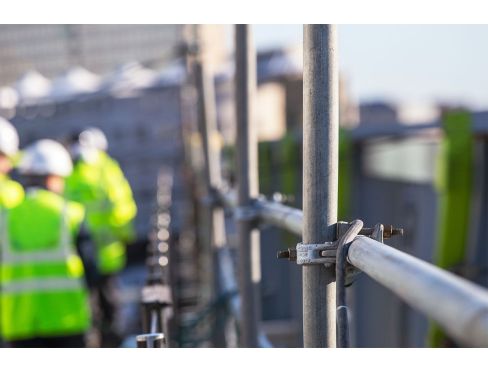
Working at height brings unavoidable risks, particularly during the assembly and dismantling of access equipment. While scaffold towers are widely used as a safer alternative to ladders, how they are built plays a critical role in overall safety. This is why 3T scaffold towers have become the industry standard across the construction industry. A 3T scaffold tower is specifically designed to reduce the risk of falls during erection by ensuring guardrails are installed before the user reaches the next working level.
If you’re unsure whether to choose a regular scaffold tower or an industrial 3T aluminum tower, TopTower have explained all the basics and benefits below.
What does 3T mean?
The term 3T stands for Through The Trapdoor, referring to the assembly method rather than a particular tower size or shape. It describes a safe system of work where the operative remains inside the structure and installs guardrails through the trapdoor in the platform below.
This approach replaces older climb and build methods, which left users exposed at unprotected edges. With the 3T method, collective fall protection is in place before the operative steps onto the next level, dramatically reducing risk during assembly and dismantling.
How a 3T scaffold tower is built, step by step
A 3T scaffold tower follows a clearly defined build sequence that prioritises safety at every stage. The design of the components allows guardrails to be installed early, rather than retrofitted at height.
Key stages of the process include:
Assembling the base with adjustable legs and locking castors
Installing the first platform at a low level
Fitting guardrails from below through the trapdoor
Climbing internally to the next level once protection is in place
Repeating the process until the required working height is reached
Why is the 3T method safer?
Falls from height remain one of the most common causes of serious workplace injuries, and many occur during access equipment assembly rather than during the task itself. The 3T method addresses this risk directly.
By ensuring guardrails are installed in advance, a 3T scaffold tower provides collective fall protection. This means safety is built into the system rather than relying solely on individual behaviour or PPE. From a risk assessment perspective, this makes 3T towers easier to justify and safer to manage across multiple users.
UK regulations on 3T scaffolding
In the UK, the Work at Height Regulations 2005 require employers to prevent falls where reasonably practicable and to use suitable access equipment. While the regulations do not name specific tower systems, industry guidance strongly favours safer assembly methods.
Most modern sites now expect scaffold towers to be erected using a 3T or advanced guardrail system. This is particularly common on construction sites, commercial properties and managed facilities where compliance standards are high.
Using a compliant 3T scaffold tower helps demonstrate that appropriate control measures are in place and that safety has been considered from the outset.
Features of a 3T scaffold
3T scaffold towers include a number of purpose designed features that support safe use and efficient assembly:
Trapdoor platforms for internal access
Guardrail frames or advance guardrail systems
Lightweight aluminium construction for easier handling
Locking castors to allow safe repositioning
Adjustable legs for use on uneven surfaces
Where 3T scaffold towers are commonly used
Because of their versatility and safety advantages, 3T scaffold towers are used across a wide range of sectors. They are suitable for both indoor and outdoor applications, provided they are configured correctly.
Typical uses include:
Building and property maintenance
Electrical and mechanical installation
Painting, decorating and refurbishment
Facilities management and inspections
Industrial servicing and plant maintenance
3T scaffold towers compared to traditional towers
The primary difference between a 3T scaffold tower and a traditional system lies in how guardrails are installed. Traditional towers may leave the user exposed while protection is added at height. A 3T system ensures that guardrails are in place before the user steps up, removing a significant risk point. This makes 3T towers safer to use, easier to manage on site, and more widely accepted by safety professionals.
From a practical point of view, the structured build process also reduces the likelihood of shortcuts or incorrect assembly.
Is training still required for 3T Scaffold towers?
While 3T scaffold towers are designed to improve safety, correct use still relies on competence. Users must understand the correct assembly sequence, load limits and inspection requirements.
Good practice includes:
Formal training such as PASMA instruction
Pre use checks before each shift
Regular recorded inspections
Clear understanding of maximum working height and loads
Training ensures that the benefits of the 3T system are consistently applied.
If you’re working at height and are unsure about the most appropriate equipment for the parameters of the work, TopTower are happy to discuss the options available to you. We offer a wide selection of industrial 3T aluminium scaffolds, scaffold towers, ladders, and ladder accessories to help keep your team as safe as possible for the duration of the project. You can browse our wide selection of products on our website, or get in touch with us to learn more.
For more information on What is a 3T Scaffold Tower? talk to Toptower Ltd