 Get Listed


How to Use Building Trestles for Garden Projects
Building trestles, also known as adjustable trestles, decorator’s trestles, plasterers’ trestles, or bandstands, are some of the most underrated tools for garden projects. They can transform the way you approach DIY work outdoors. From fencing and decking to raised garden beds, shed repairs, and landscaping, trestles make projects safer and much more efficient. And at TopTower, we’re happy to advise on their broad array of uses.
Why Building Trestles Are Ideal for Garden Projects
Stability on uneven ground
Gardens rarely offer the flat, predictable terrain you’d find indoors. Building trestles provide a sturdy platform even on uneven or soft ground when used with proper boards and stabilisation.
This is particularly helpful for:
Fencing work
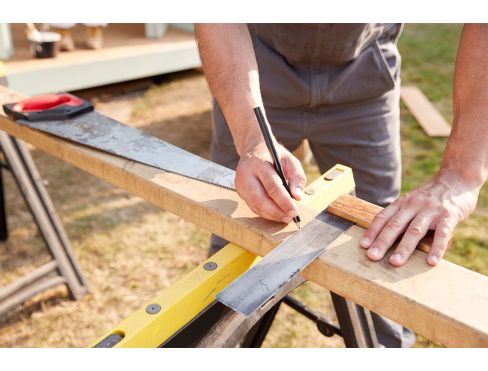
Cutting timber
Laying decking boards
Painting sheds and garden structures
Installing pergolas or arches
Adjustable height
A marked benefit of trestles is their adjustable height. This makes them perfect for tasks that require you to work at different levels without constantly bending, kneeling, or stretching. Not only does this make your job easier, but it can help you avoid injuries on the job. With a building trestle, you can:
Raise workpieces to a comfortable height for cutting
Create raised platforms for brickwork or edging
Support long boards during deck installation
Quick setup
A vast number of garden projects are time sensitive and often weather dependent, particularly if you are a contractor working for homeowners or landlords. Setting up equipment quickly is essential. Building trestles can be assembled in seconds and positioned easily around the garden making them the ideal companion for gardeners.
Versatility
The same pair of trestles can be used as:
A cutting station
A painting platform
A scaffold for small garden structures
A workbench base
A temporary staging area
This reduces the need for bulky equipment and saves space in your workshop or shed.
Garden Projects That Benefit from Building Trestles
Fence replacement or repair
trestles make handling panels far easier. Instead of working on the ground, you can raise fence boards, gravel boards or timber rails to a height where marking and cutting become much more comfortable. Even attaching brackets or trimming panels becomes quicker and more accurate when the workpiece is properly supported.
Decking installation
Decking involves a large volume of repetitive cutting, drilling and measuring. Using trestles to set up a stable cutting station allows you to manage multiple decking boards quickly and accurately.
They can also support joists during assembly and prevent timber from absorbing moisture on damp ground.
Raised garden beds
With trestles, you can sleepers to waist height and handle them safely.
Garden furniture restoration
Restoring benches, tables, planters or pergola sections becomes far more efficient when you can place them on trestles. You get better access for a wide variety of work and you avoid working in uncomfortable crouched positions.
Shed and outbuilding work
Use trestles to:
Prop up panels prior to installation
Assemble sections of a shed
Support roof felt rolls
Hold materials during repairs or repainting
Paving projects
Trestles can help create a cutting station for paving slabs or bricks, keeping materials stable during precision cuts.
Choosing the Right Building Trestles
Not all trestles are equal. Here’s what to look for to find the right trestle for the jobs you need it for.
Proper working height range
For garden projects, adjustable trestles are ideal. Height ranges typically span:
450–750mm: Light DIY tasks
750–1,100mm: Professional plastering, cutting platforms
1,100–1,500mm: Higher working platforms, painting, shed roof work
Load capacity
Garden projects often involve heavy sleepers, large planters, bags of stabiliser, or long pieces of timber. Look for trestles rated to 150kg or more per pair for your safety.
Platform compatibility
Check whether the trestles work with:
Standard scaffold boards
Timber planks
Proprietary platforms
Anti slip feet
Garden surfaces can be muddy, soft, or uneven. Anti slip or rubberised feet help prevent sinking or shifting during use.
Durable construction
Look for powder coated steel trestles or aluminium options, which resist rust when used outdoors.
How to Set up Trestles Safely in the Garden
Setting up trestles outdoors requires more attention than using them on smooth indoor surfaces.
Start by assessing the ground. Soft turf, gravel or uneven paving can make trestles unstable. Placing a paving slab, sole board or timber sheet beneath each foot distributes the weight evenly and prevents sinking. Even on firm soil, this extra stability is worthwhile.
Next, adjust both trestles to exactly the same height and make sure all locking pins are fully engaged. Mismatched heights create a twisting effect once the platform boards are laid on top.
Position your trestles the correct distance apart, usually between 1.2 and 1.8 metres depending on the length of your boards. Then place your scaffold boards across them. The boards should sit firmly without gaps, rocking or bending. Test your setup by applying pressure at each end before stepping onto it.
Because outdoor surfaces may shift slightly, it’s a good idea to check your platform periodically during long projects. A quick visual inspection can reveal if anything has settled into soft soil or needs adjusting.
Practical Examples
Using trestles for raised bed construction
Working with sleepers on the ground is slow and hard on your back. By resting the sleepers on trestles, you can mark out lengths, cut to size and drill bolt holes cleanly. It also makes it easier to clamp pieces together for a perfect fit. Many gardeners assemble an entire raised bed frame on trestles and simply move it into position when ready.
Decking cuts and preparation
Decking projects require dozens, and sometimes hundreds, of precision cuts. Standing timbers on trestles:
Improves control when using saws
Reduces strain on knees and back
Keeps timber dry and clean
Helps maintain consistent edge quality
Shed building support
Trestles act as steady ‘extra hands’ during shed construction. You can lay out wall panels flat on a raised surface to fix bracing, attach battens or add windows. Roof sections can be prepared and felted before they’re lifted into place. When repairing an older shed, trestles create the perfect station for replacing rotten boards or repainting cladding.
Fence panel treatment and repairs
Rather than leaning panels against a fence or wrestling with them on the grass, trestles offer a solid platform at working height. This is especially useful when painting or staining large panels, as you can move around them freely without strain.
Safety Tips When Using Trestles
Outdoor trestle use brings additional safety considerations. Weather conditions can change surface friction and stability rapidly, so always be aware of your environment. You should:
Check the weather before starting. Rain makes boards slippery; wind can blow tall objects off the platform.
Wear sturdy, grippy boots to avoid slips on wet grass or gravel.
Keep tools organised, using a belt or small tray on your platform.
Avoid overloading the platform with too many heavy items at once.
Never overreach. Move the trestles instead of stretching dangerously.
Inspect locking mechanisms each time you adjust height.
Building trestles are one of the most practical and time saving tools you can own. They let you work comfortably and efficiently across a huge variety of outdoor projects. Whether you're working with timber, stone, fencing or furniture, trestles create a secure platform that improves both quality and speed.
At TopTower, we offer a wide selection of builders trestles, ladders, and ladder accessories to help keep your team as safe as possible for the duration of your project. Whether you're working on a commercial site or tackling home improvements, our products deliver the performance and security you need.
You can browse our wide selection of products on our website, or get in touch with us to learn more.
For more information on How to Use Building Trestles for Garden Projects talk to Toptower Ltd