 Get Listed


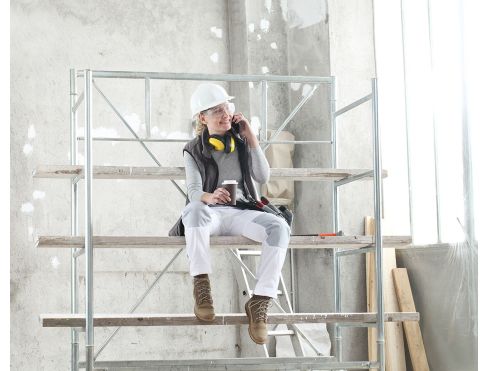
Mobile scaffolding has revolutionised the way construction and renovation projects can be conducted. Its portability, flexibility, and ease of assembly make it an essential tool for both professional contractors and DIY enthusiasts. However, as with any access equipment, mobile scaffolding must be used safely and correctly to prevent accidents, injuries, and project delays.
At TopTower, we supply high quality mobile scaffolding towers designed with safety in mind. But even the best equipment can become unsafe due to simple user errors. Working from height should always be conducted with the utmost care which is why we’ve highlighted the most common mistakes to avoid when using mobile scaffolding, ensuring your project runs smoothly and safely.
1. Incorrect assembly
Perhaps the most common, and dangerous, mistake is when using mobile scaffolding is incorrect assembly.
Mobile scaffold towers must be erected precisely according to the manufacturer’s instructions. Skipping steps or failing to lock mechanisms properly can severely compromise stability.
What you should do:
-
Always follow the assembly guide provided.
-
Use only compatible, manufacturer approved components.
-
Inspect the structure after assembly to ensure all braces, platforms, and locking devices are secure.
-
If you're unsure, seek advice or training from a qualified professional.
2. Overloading the platform
Every mobile scaffold has a maximum load capacity. Exceeding this limit by stacking tools, materials, or allowing too many people on the platform increases the risk of collapse or tipping.
What you should do:
-
Check the tower's load rating before use.
-
Factor in the combined weight of workers, tools, and materials.
-
Avoid placing heavy equipment or excessive loads on the platform.
-
Scale up, or seek specialised machinery, if you need heavy equipment to complete the job.
3. Using on uneven or unstable ground
Mobile scaffolding should only be used on flat, stable surfaces. Setting up on slopes, soft ground, or uneven terrain increases the likelihood of tipping, even with stabilisers deployed. This is more dangerous than it may seem, as it puts both anyone using the structure at risk, and can position the general public in harm’s way.
What you should do:
-
Inspect the ground before assembly.
-
Use levelling legs or base plates where applicable.
-
Never attempt to use mobile scaffolding on excessively uneven surfaces.
-
For outdoor projects, be mindful of soft ground after rain or adverse weather.
4. Insufficient guardrails or toe boards
Falls from height often occur due to missing or improperly installed guardrails and toe boards. These components prevent workers from accidentally stepping off the edge and keep tools or materials from falling.
Guardrails: Railings forming a barrier at the edge of scaffolding to prevent falls from height.
Toe boards: Short protective barriers around the bottom of scaffolding platforms that prevent equipment from falling or being kicked over the edge.
What you should do:
-
Ensure all platforms at height are fitted with the appropriate guardrails.
-
Toe boards must be installed to prevent loose objects falling off the platform.
-
Regularly inspect these safety features for damage or wear.
5. Ignoring weather conditions
Outdoor use of mobile scaffolding requires extra vigilance. Strong winds, rain, storms, snow, or icy surfaces can drastically reduce stability and create dangerous working conditions. Due to time pressures or a commitment to the job, it can be tempting to push through when experiencing light signs of extreme or concerning weather, but this would be considered neglectful.
In any situation where you feel unsure about the safety of working conditions, you err on the side of caution and keep yourself and your workforce safe.
What you should do:
-
Avoid using mobile scaffolding during high winds or storms.
-
Secure tools and materials when not in use.
-
Take extra care when working in wet or slippery conditions.
-
Never use a mobile tower as a support for tarpaulins or sheeting that could act like sails in the wind.
6. Lack of training or supervision
While mobile scaffolding is designed to be user friendly, that doesn't eliminate the need for proper training. Workers unfamiliar with correct assembly, use, or safety checks are far more likely to make mistakes.
What you should do:
-
Ensure all personnel receive basic training in mobile scaffolding use.
-
Provide clear instructions on assembly, load limits, and safety procedures.
-
Appoint a competent person to supervise scaffold erection and use on larger projects.
At TopTower, we recommend all users familiarise themselves with best practices and relevant safety guidelines such as those provided by PASMA (Prefabricated Access Suppliers' and Manufacturers' Association).
Looking for mobile scaffolding?
At TopTower, we offer a wide selection of mobile scaffold towers, ladders, and ladder accessories to help keep your team as safe as possible for the duration of your project. Whether you're working on a commercial site or tackling home improvements, our products deliver the performance and security you need.
For more information on Mistakes to Avoid when Using Mobile Scaffolding talk to Toptower Ltd