 Get Listed

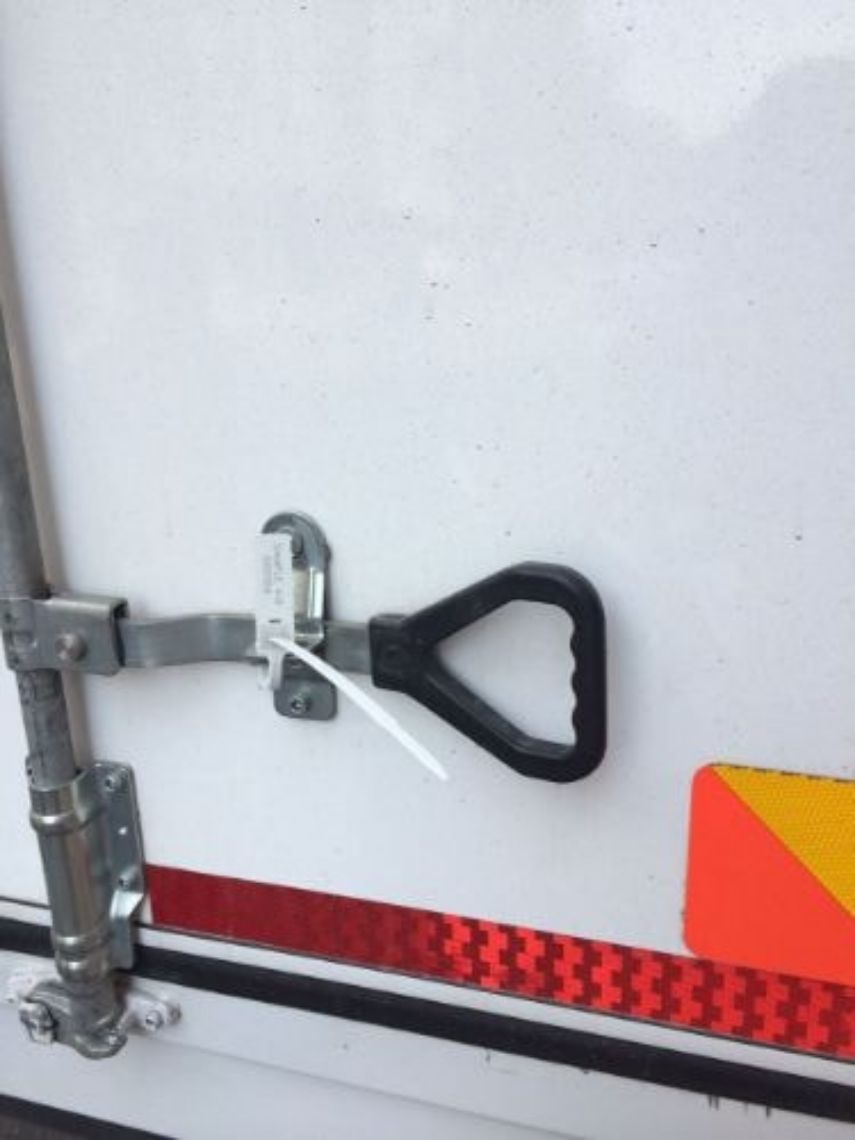
Securing goods against theft and interference while in transit is more important than ever. As cargo moves through increasingly complex supply chains with multiple handover points, maintaining control over who can access loads is critical for reducing risk and disruption.
Security seals form an important part of that process, helping to ensure goods arrive as expected and without delay. They act as a visible deterrent and provide clear, irreversible evidence of tampering, improving accountability and confidence throughout the transport journey.
Security seals come in a range of formats to suit different vehicles and locking systems. This article explains the main seal types used on road transport, along with guidance on selecting the right option for your application.
Key takeaways
-
Cargo security seals help deter theft and provide clear evidence of tampering during transit.
-
Different seal types, including fixed-length, pull-through, cable and high-security seals, suit different locking points and levels of risk.
-
Options such as bespoke printing, sequential numbering, barcodes and colour coding can improve traceability and operational control.
-
The best seal choice depends on required security level, locking mechanism, transport mode, compliance needs and inspection requirements.
Why use cargo security seals?
Cargo security seals provide a simple, effective way to deter theft and identify unauthorised access during transport. Their presence shows that a load has been secured, and any attempt to interfere typically results in visible and irreversible tamper evidence.
Seals also support traceability and accountability. Sequential numbering, and optional barcoding, allow seals to be logged at despatch and checked at each handover point. This creates an audit trail and strengthens chain-of-custody procedures.
For international and regulated movements, compliant sealing is often expected. High-security seals tested to ISO 17712 are widely accepted by customs authorities and security programmes such as C-TPAT, helping reduce delays and compliance risk.
We supply a full range of security seals, from low-strength indicative seals for basic tamper evidence through to barrier and high-security seals for higher-risk and international movements.
Transit and small van security
Small transit vans and courier vehicles often do not have locking hasps or fittings suited to pull-tight or fixed-length seals.
In these cases, non-residue security labels are typically applied across the seam of the doors. If the doors are opened, the label shows a clear VOID message and leaves obvious evidence of interference. Non-residue labels have the advantage of not leaving adhesive behind, helping protect paintwork and vehicle finishes.
Vans with roller shutter doors
Vehicles with roller shutter doors commonly use a hasp-and-staple style locking arrangement. For these locks, pull-through (pull-tight) tamper-evident seals are usually the most suitable option, as they can be tightened securely around the mechanism to prevent opportunistic interference.
Pull-through seals are available in a wide range of sizes and configurations. Stock is typically held in the UK, and bespoke options are available, including custom numbering, text and logo printing.
Articulated lorry trailer doors
Trailer doors use several different locking arrangements, so the best seal depends on the mechanism. In many cases, either a pull-through seal or a fixed-length seal will be appropriate.
Fixed-length (ring) seals form a secured loop through the locking aperture. Because they do not tighten around the lock, they can be rotated during checks, making visual inspection for tampering simpler.
Curtain-siders
Curtain-sided trailers are commonly secured using a TIR cord threaded through each buckle along the trailer and looped to the rear. The cord is then secured using TIR fasteners and a plastic indicative fixed-length seal at the back of the vehicle.
This approach helps ensure that the only way to access the side of the trailer is by breaking the seal, supporting the audit trail often required in controlled movements.
Containers on trailers
Fully loaded shipping containers moved internationally typically require a high-security seal that is classified and tested to ISO 17712 and aligns with programmes such as C-TPAT. High-security bolt seals are the most common choice for container doors and are widely recognised for compliance purposes.
For empty loads, plastic indicative seals are often sufficient. They provide peace of mind that the container has not been accessed without the legitimate user’s knowledge, reducing the risk of tampering or foul play.
Open top containers
Open top containers allow bulky items to be loaded from above and are usually covered with a tarpaulin. TIR cords are typically threaded through the tarpaulin eyelets and secured around corner posts or lashing rings. The TIR fasteners can then be sealed using a suitable security seal.
Depending on the risk level and destination requirements, this may be a plastic indicative seal or, for international movements, a high-security bolt seal or cable seal.
Oil, gas and bulk liquid tankers
Tankers carry valuable and potentially hazardous contents, making them vulnerable to interference, theft and fraud while in transit.
Critical access points such as valves, meters and hatches should be secured against tampering. Flexible, variable-length cable seals are well suited to these applications, as they provide strong tamper resistance while fitting irregular locking points.
Customisation and traceability
Customisation can significantly improve cargo control, accountability and auditability. We offer a bespoke print service so seals can be tailored to operational, regulatory or branding requirements.
Sequential numbering is one of the most effective traceability tools, allowing each seal to be uniquely identified and logged at despatch and receipt. This supports reconciliation, helps identify discrepancies quickly and strengthens chain-of-custody processes.
Barcodes can be added to support scanning into digital tracking systems, reducing manual errors, speeding up inspections and supporting integration with warehouse, transport and customs systems.
Company logos and bespoke text can also deter substitution and provide immediate visual confirmation that the seal is authorised.
Choosing the right seal
Selecting the correct seal is key to balancing security, compliance and day-to-day practicality. Indicative tamper-evident seals are suitable where deterrence and evidence of interference are sufficient. Barrier and high-security seals are more appropriate for higher-risk cargo, international movements and regulated routes.
The locking mechanism and access point matter just as much as the security level. Doors, hasps, valves and closure systems determine whether a fixed-length, pull-through, cable or bolt seal is the best fit. A seal must fit correctly to work as intended and to make tampering obvious.
You should also consider transport mode and any regulatory requirements. Road, rail, air and sea freight can each have different expectations, with some movements requiring ISO 17712 compliant high-security seals or alignment with customs and security programmes such as C-TPAT.
Finally, think about inspection and access frequency. High-visibility seals with clear numbering can speed up checks at depots and handovers, while higher-risk applications may prioritise strength and resistance over ease of removal.
Our technical team can advise on the most suitable seal for each application, helping reduce risk while maintaining operational efficiency.
Contact us for cargo sealing solutions
We support secure transport operations with a range of high-quality security seals backed by industry expertise. Whether you are sealing vans, trucks, trailers or shipping containers, we can help identify the most effective option for your requirements.
Support is available for product selection, customisation, regulatory compliance and larger supply programmes. From single-vehicle operators to national and international fleets, we provide reliable solutions designed to protect cargo throughout transit.
To discuss your sealing requirements, contact us by phone or email, or explore the full product range online.
Frequently asked questions
What are cargo security seals used for?
Security seals deter theft and provide tamper-evident proof if a vehicle, trailer door, valve or container has been opened during transport. They help improve control at handover points and support chain-of-custody procedures.
What types of high-security seals are available?
The most common high-security option is a bolt seal, typically used on shipping containers and some trailer doors, and tested to ISO 17712. High-security cable seals are also used where flexibility is needed, such as irregular locking points on trailers or tankers. Both provide strong tamper evidence and support compliance programmes such as C-TPAT.
What standard is required for cargo seals?
For many international and higher-risk movements, high-security seals tested to ISO 17712 are commonly required or expected, particularly for containers and customs-controlled freight. Some routes may also require alignment with schemes such as C-TPAT.
What information can be printed on a trailer seal?
Trailer seals can include sequential numbering for traceability and can also be supplied with bespoke printing such as your company name or logo. Barcoding can be added to support scanning and audit trails.
Do trailer seals help deter theft and protect cargo?
Yes. When fitted correctly, trailer seals are a widely used deterrent against opportunistic theft and provide clear evidence if doors or access points have been opened during transit.
For more information on Security Seals For Cargo Doors: Containers, Trucks and Vans talk to Universeal (UK) Ltd