 Get Listed

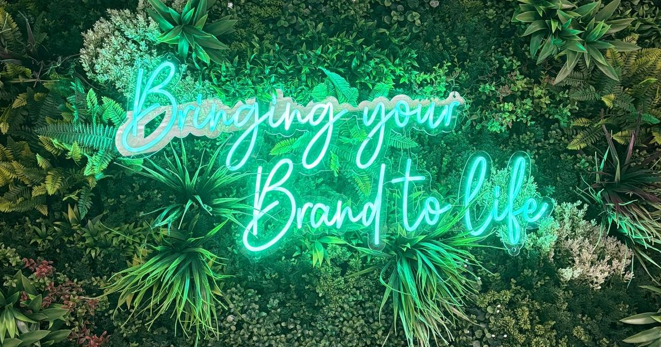
There’s something magical about a sign that glows. Whether it’s a classic neon tube buzzing away on a late-night café, or a sleek backlit logo gleaming above a storefront, illuminated signage has a way of catching the eye and setting the mood. And let’s be honest—sometimes, it just looks cooler when it lights up.
But lighting in signage isn’t just about looking pretty (though it definitely helps). The type of illumination you choose says a lot about your brand, impacts how visible you are after dark, and even affects your energy bill. So, how do you know whether LEDs, neon, or backlit designs are the right fit for your business?
Grab your metaphorical torch (or fairy lights if that’s your vibe), because we’re shining a spotlight on the different ways you can light up your signs—along with their pros, cons, energy considerations, and design tips.
Why bother with illuminated signage?
Before we jump into the different types of lighting, let’s tackle the obvious question: why add lights at all?
- Visibility – The most practical reason. If your shop’s open after sunset or you’re in a busy area with lots of competition, a dark sign can easily fade into the background.
- Branding – Light adds drama, colour, and personality. Whether you’re aiming for modern minimalism or retro cool, illumination helps you set the right tone.
- 24/7 marketing – Even when you’re closed, a glowing sign works overtime, telling passers-by who you are and where you are.
- Curb appeal – Let’s face it, humans are a bit like moths. We’re drawn to light. A well-lit sign makes people stop, look, and maybe even walk in.
And don’t forget: lighting comes into its own during the darker seasons. A glowing sign on a chilly December evening doesn’t just look good—it feels welcoming, almost like an invitation to step in from the cold.

LED Signage
If signage lighting were a family gathering, LEDs would be the reliable cousin who’s always on time, efficient, and quietly outshines everyone else.
The pros
- Energy efficient – LEDs sip power rather than guzzle it, which means lower running costs compared to other lighting types.
- Long-lasting – These bulbs can keep glowing for up to 50,000 hours. That’s a lot of late nights covered.
- Versatile – LEDs can be used in all sorts of signage: channel letters, edge lighting, halo effects, you name it.
- Colour options – From crisp white to vibrant colours, LEDs give you lots of flexibility in design.
The cons
- Upfront cost – LEDs can be pricier at installation compared to basic fluorescent lighting.
- Harshness – If not done well, LED light can look a bit too clinical. No one wants their cosy coffee shop sign glowing like a hospital corridor.
Energy use
LEDs are the clear winner on energy. Compared to neon or older fluorescent systems, they can use up to 80% less electricity. That’s great news for your bills and the planet.
Design considerations
Think about diffusion. LEDs are bright, but without the right covers or spacing, you can end up with “hot spots” (uneven patches of light). Work with your signage team (hello, that’s us!) to make sure your sign looks smooth and professional.
Real-world example: The local bakery
Picture a high-street bakery that opens early in the morning and stays open until 7pm. They want a sign that’s cheerful, warm, and still visible once the winter sun dips at 4pm. LEDs are their best friend here. Not only does the bakery save money on electricity (important when the ovens are already doing their best to make the meter spin), but the flexible colours mean they can pick a golden yellow glow to match the warmth of fresh bread.
Seasonal spin
Come Christmas, that same bakery could switch their LED-lit sign to a festive red or green to add seasonal sparkle without needing a whole new sign. Energy efficiency means they can run it longer during dark winter evenings without worrying about the bill.


Neon Signage
Ah, neon. The retro star of the signage world. It’s bold, it’s quirky, and it comes with a healthy dose of nostalgia. Perfect for bars, clubs, or any brand looking to channel that vintage-cool vibe.
The pros
- Iconic look – There’s just something about neon that no other lighting can quite replicate. The glow, the curves, the slightly buzzing hum—it’s all part of the charm.
- Custom shapes – Neon tubing can be bent into almost any shape or letter, making it fantastic for creative logos and playful designs.
- Atmosphere – Neon creates a softer, more diffused glow than many LED alternatives.
The cons
- Fragile – Glass tubing is delicate and can be prone to breakage. Not ideal if your sign is in a high-traffic spot or outdoors without protection.
- Maintenance – Neon requires more upkeep and repairs over time.
- Energy use – Traditional neon is far less efficient than LEDs.
Energy use
Neon signs are significantly hungrier for power. A typical neon sign can use up to three times more electricity than an LED equivalent. Some businesses don’t mind, especially if they’re only switched on at night, but it’s worth factoring into your budget.
Design considerations
Neon works best when it’s part of your brand’s personality. It’s not for everyone—imagine a high-end law firm with a bright pink neon sign outside (unless they’re going for the “we fight with flair” look). But if you’re in food, retail, or hospitality, neon can set the perfect mood.
Real-world example: The cocktail bar
Think of a small cocktail bar tucked away in a side street. They want to stand out in the evening, and what better way than with a glowing neon “Shaken, Not Stirred” sign in bright electric blue? It’s Instagrammable, it oozes personality, and it makes people stop and smile before they even step inside. Sure, it costs more to run than LEDs, but for them, the vibe is worth every penny.
Seasonal spin
Neon signs absolutely shine (literally) during seasonal promotions. A café could pop a neon “Pumpkin Spice” sign in the window in October, then swap it for a glowing candy cane design in December. It’s playful, photogenic, and keeps customers talking.


Backlit Signage
Backlit signage (sometimes called halo-lit or internally illuminated) is exactly what it sounds like: the sign itself glows from behind or within, creating a strong silhouette effect. Think bold logos shining proudly against a wall or letters with a glowing outline.
The pros
- Impactful – Backlighting adds depth and drama, making your sign look more three-dimensional.
- Professional finish – Clean, modern, and sophisticated, backlit signs scream quality.
- Highly visible – Perfect for drawing the eye at a distance.
The cons
- Cost – Backlit signs can be more complex to manufacture and install, so expect a higher upfront price.
- Installation – They usually need professional fitting (we’ve got you covered), and sometimes wall modifications.
Energy use
Most modern backlit signs use LEDs, so you’re not facing sky-high energy bills. The efficiency depends on the size and design, but compared to neon, you’re still saving.
Design considerations
Backlit signs look their best when the design is bold and simple. Intricate details can get lost in the glow. Also, contrast matters—a light-on-light design won’t stand out as well as bright lettering against a darker background.
Real-world example: The hotel reception
Imagine a boutique hotel. They want guests to feel a sense of quality and calm the moment they walk in. A sleek, backlit sign of their logo behind the reception desk does the trick. It glows warmly in the background, sets the tone for the brand, and creates that Instagram-friendly “check-in moment” guests can’t resist.
Seasonal spin
Backlit signs can be dressed up beautifully for Halloween or Christmas. Add a garland or seasonal décor around the glowing logo, and suddenly it’s the centrepiece of your festive display.


Illuminated Signage (General Glow-Ups)
Beyond LEDs, neon, and backlighting, there are also general illuminated sign options like lightboxes or external spotlights. These can work brilliantly for certain businesses.
- Lightboxes – A classic option where the whole sign face is lit from behind. Great for menus, posters, or signs that need to change regularly.
- Spotlighting – Instead of the sign itself glowing, you shine lights onto it. Less techy, but still effective, especially for rustic or heritage looks.
Real-world example: The farm shop
A rustic farm shop on the edge of town might not want flashy lighting, but they still need visibility after dark. Spotlights shining onto their carved wooden sign keep things traditional while still ensuring customers can find them on winter evenings.
Seasonal spin
Come Halloween, that same farm shop could light up their pumpkin patch sign with warm spotlights, and then switch to a crisp white glow for their Christmas market. Simple, effective, and seasonally adaptable.


Picking the right lighting for your sign
So, which one wins? The answer (annoyingly) is: it depends. Here are a few questions to ask yourself:

- What’s my brand personality?
Sleek and modern? Backlit or LED could be perfect. Quirky and playful? Neon might be your match.
- When do I need visibility?
Open late? A strong, energy-efficient LED or backlit sign will pay off. Only want ambience in the evenings? Neon might do the job.
- What’s my budget?
Consider not just the upfront cost but the long-term energy use and maintenance.
- What space do I have?
Some lighting options need more depth, wiring, or wall space. That might narrow your choices.
A quick comparison cheat sheet
| Type | Pros | Cons | Energy Use | Best For |
| LED | Efficient, long-lasting, versatile | Higher upfront cost, can look harsh | Lowest | Almost any business |
| Neon | Iconic, creative, atmospheric | Fragile, higher energy use, maintenance | High | Bars, cafés, quirky retail |
| Backlit | Sleek, modern, high impact | Expensive, more complex install | Medium-low (uses LEDs) | Professional, luxury, modern brands |
| Lightbox/Spotlit | Simple, practical | Less flashy, design limitations | Varies | Menus, posters, traditional looks |
Final thoughts: Don’t be left in the dark
Illuminated signage isn’t just about practicality—it’s about personality. The right choice of lighting can transform your brand presence, make you unforgettable at night, and give your signage that extra sparkle.
Whether you go for the futuristic glow of LEDs, the retro charm of neon, or the polished drama of backlit lettering, the key is making sure it reflects you. After all, your sign is often the first impression people get of your business—so why not make it a glowing one?
And here’s a little extra tip: keep the seasons in mind. A glowing sign in summer makes you stand out late into the evening, but it’s in autumn and winter when illuminated signage really comes into its own. When the days are shorter and the nights feel longer, your lit-up sign can be the difference between customers strolling past and customers stepping inside.
And if you’re not sure which option to pick, don’t worry. That’s what we’re here for. At Signwrite Studios, we’ll help you design a sign that doesn’t just light up—it lights you up too.
Ready to brighten up your business? Get in touch and we’ll help you find the perfect glow.
For more information on Light It Up: A Bright Guide to Illuminated Signage talk to Signwrite Studios Ltd