 Get Listed

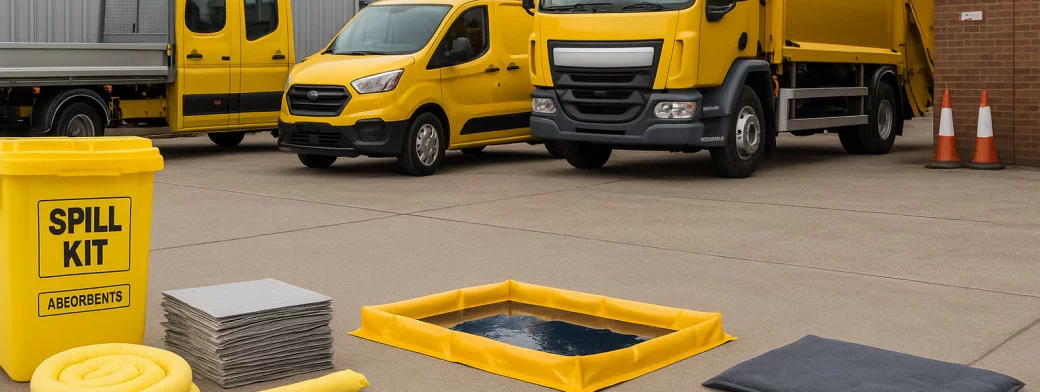
Spill preparedness refers to the proactive measures and strategies implemented to effectively manage and mitigate the consequences of spills within council depots and fleet yards. This includes having the appropriate equipment, training, and response plans in place to handle various types of spills that may occur, ensuring both safety and environmental protection.
In council depots and fleet yards, a variety of materials are managed, including fuels, oils, AdBlue, and cleaning chemicals. Each of these substances poses unique risks and requires specific handling and storage protocols to prevent spills. For instance, fuel spills can lead to severe environmental contamination, while spills of cleaning chemicals can pose health risks to employees and the public.
Compliance with UK and EU regulations is crucial for council depots and fleet yards, not only to avoid legal repercussions but also to uphold environmental stewardship. Regulations such as the Oil Storage Regulations stipulate the proper storage and bunding requirements for oils, ensuring that facilities are equipped to prevent pollution incidents. Additionally, the Pollution Prevention Guidance outlines essential practices for pollution incident prevention and response planning, further underscoring the importance of spill preparedness.
By prioritising spill preparedness, council depots and fleet yards not only enhance their operational efficiency but also contribute to safeguarding the environment and public health. Regular audits and assessments can ensure that these facilities remain compliant and ready to respond to any spill incidents effectively.
Importance of Spill Preparedness
Spill preparedness is crucial for council depots and fleet yards, as the consequences of spills can be severe, affecting not only the immediate area but also the broader community and environment. A spill of fuel, oils, AdBlue, or cleaning chemicals can lead to hazardous situations that pose risks to both personnel and the public. The immediate impact often includes safety hazards, such as slips and falls, and potential fire risks, which can endanger lives.
Moreover, the legal implications of failing to manage spills effectively can be significant. Under UK law, businesses are required to comply with regulations such as the Pollution Prevention and Control Regulations. Non-compliance can lead to hefty fines, legal action, and damage to the organisation's reputation. It is essential for council depots to ensure that they are audit-ready, maintaining comprehensive spill response plans and adequate training for staff.
The impact of spills extends beyond legal ramifications. Environmental damage can be catastrophic, affecting local water sources, soil quality, and wildlife. Contaminants from spills can seep into the ground or waterways, leading to long-term ecological harm. Thus, being prepared not only helps in meeting legal obligations but also demonstrates a commitment to protecting the environment and the community. Implementing robust spill response protocols and investing in bunding solutions can significantly mitigate these risks.
In conclusion, the importance of spill preparedness cannot be overstated. By prioritising safety, compliance, and environmental protection, council depots and fleet yards can safeguard their operations and contribute positively to their communities.
Key Materials to Manage
In UK council depots and fleet yards, managing specific materials is crucial for ensuring safety, compliance, and environmental protection. The materials that require special attention include fuels, oils, AdBlue, and cleaning chemicals. Each of these substances has unique characteristics, potential risks, and regulatory requirements that must be adhered to.
Fuels
Fuels, such as petrol and diesel, are highly flammable and can pose significant fire and explosion risks if not handled properly. The UK regulations for fuel storage require that fuels are kept in bunded tanks to contain any leaks or spills. Compliance with these standards not only protects the environment but also mitigates financial liabilities associated with potential clean-up operations.
Oils
Oils can vary from lubricating oils to hydraulic fluids, each presenting risks of environmental contamination. Spills can lead to soil and water pollution, affecting local ecosystems. The HSE guidelines recommend that oils be stored in appropriate containers with secondary containment measures in place. Regular audits are essential to ensure compliance and readiness for potential inspections.
AdBlue
AdBlue, a diesel exhaust fluid, is essential for reducing emissions in diesel engines. While it is non-toxic, improper storage can lead to contamination and operational issues. AdBlue must be stored in a cool, dark place, and containers should be clearly labelled. Adhering to the pollution prevention guidelines is crucial to avoid environmental damage.
Cleaning Chemicals
Cleaning chemicals used in fleet maintenance can be hazardous if not managed correctly. Many cleaning agents can be corrosive or toxic, leading to health risks for employees and environmental harm if spilled. It is important to store these chemicals in designated areas with adequate ventilation and secondary containment. Compliance with HSE regulations is necessary to ensure both safety and environmental protection.
In summary, effective spill preparedness for fuels, oils, AdBlue, and cleaning chemicals is essential for UK council depots and fleet yards. By understanding the characteristics and risks associated with these materials, and adhering to relevant regulations, councils can protect their staff, communities, and the environment.
Best Practices for Audit Readiness
Ensuring audit readiness in spill preparedness is crucial for UK council depots and fleet yards. This involves implementing systematic practices that comply with relevant regulations and promote environmental protection. Here are some best practices to consider:
Regular Training and Drills
Conducting regular training sessions for all staff members is essential. Ensure that employees are familiar with spill response protocols, including the correct usage of spill kits and emergency procedures. Additionally, organise drills at least twice a year to simulate spill scenarios. This helps reinforce training and ensures that all staff know their roles and responsibilities in the event of a spill.
Documentation and Record-Keeping
Maintain thorough documentation of all spill preparedness activities. This includes records of training sessions, drill outcomes, and any incidents that occur. Proper record-keeping demonstrates compliance with UK regulations, such as the Pollution Prevention Guidelines, and is vital for audit purposes. Ensure that all documentation is easily accessible and up-to-date, which will facilitate a smooth audit process.
Inspection and Maintenance Protocols
Establish regular inspection and maintenance protocols for all storage areas, including fuel, oils, AdBlue, and cleaning chemicals. Conduct routine checks to ensure that bunds and containment systems are in good condition and compliant with the oil storage and bunding requirements. Regular maintenance of spill kits and other emergency equipment is equally important. Document all inspections and maintenance activities to provide evidence during audits.
By implementing these best practices, council depots and fleet yards can not only enhance their spill preparedness but also ensure compliance with UK and EU regulations, ultimately protecting the environment and public health.
Environmental Protection Measures
Effective spill preparedness is crucial for UK council depots and fleet yards, not only for compliance with regulations but also for the protection of our environment. Implementing robust environmental protection measures can significantly mitigate the risks associated with spills of fuel, oils, AdBlue, and cleaning chemicals.
Preventative Measures
To prevent spills before they occur, councils should implement a range of preventative measures. This includes proper storage solutions such as bunded tanks for oils and fuels, which comply with the UK oil storage regulations. Regular maintenance checks of storage facilities and equipment are essential to identify potential leaks or weaknesses. Furthermore, staff should receive training on spill prevention techniques and the correct handling of hazardous materials, as outlined in the HSE guide to health and safety.
Emergency Response Plans
In the event of a spill, having a well-defined emergency response plan is paramount. This plan should outline the immediate actions to take, including containment measures and notification procedures. Councils should ensure that spill kits are readily available and that staff are trained to use them effectively. Regular drills and reviews of the emergency response plan will ensure that all employees know their roles and responsibilities during a spill incident. For comprehensive guidance on pollution incident prevention and response planning, refer to the GOV.UK guidelines.
Community Involvement and Transparency
Engaging with the local community and maintaining transparency about spill preparedness efforts fosters trust and collaboration. Councils should inform the community about the measures in place to prevent spills and the protocols for dealing with them should they occur. Hosting community workshops can provide valuable education on spill risks and encourage public reporting of any observed incidents. This proactive approach not only enhances community safety but also demonstrates a commitment to environmental stewardship.
By prioritising these environmental protection measures, UK council depots and fleet yards can significantly reduce the risk of spills, protect local ecosystems, and ensure compliance with relevant regulations.
Conclusion
In conclusion, spill preparedness is not just a regulatory obligation but a crucial aspect of environmental stewardship for UK council depots and fleet yards. By implementing robust spill response plans and adhering to relevant regulations, such as those outlined in GOV.UK's oil storage and bunding requirements, councils and fleet managers can ensure the safety of their operations and protect the local environment.
Key points discussed in this guide include the importance of proper storage for fuels, oils, AdBlue, and cleaning chemicals, as well as the necessity of conducting regular audits to maintain compliance with UK and EU regulations. Understanding and implementing the guidelines provided by the HSE's warehousing and storage guide can further enhance safety protocols and spill response readiness.
Moreover, being audit-ready means that councils must continuously evaluate their spill preparedness measures and ensure that all staff are trained in spill response procedures. This proactive approach not only mitigates risks but also reinforces a culture of safety and compliance within the organisation.
We urge councils and fleet managers to take immediate action to enhance their spill preparedness strategies. Investing in effective spill containment solutions, such as those found at Serpro, is a step in the right direction towards ensuring environmental protection and regulatory compliance.
Remember, being prepared is not just about compliance; it’s about safeguarding our environment for future generations.
For more information on Spill Preparedness for Council Depots and Fleet Yards: A Comprehensive Guide talk to SERPRO Ltd