 Get Listed
Introduction to Solvent and Chemical Management in Aerospace MRO Stores
Maintenance, Repair, and Overhaul (MRO) stores play a crucial role in the aerospace industry, providing essential materials and supplies necessary for the upkeep of aircraft. Among these materials, solvents and chemicals are vital for cleaning, degreasing, and maintaining various aircraft components. Effective management of these substances is not only important for operational efficiency but also for ensuring the safety of personnel and compliance with regulatory requirements.
The management of solvents and chemicals in MRO stores involves careful consideration of storage practices, handling procedures, and spill response protocols. Proper management reduces the risk of accidents and exposure to hazardous substances, while also minimising environmental impact. This is particularly important in the aerospace sector, where safety standards are exceptionally high and non-compliance can have serious repercussions.
Regulatory frameworks, such as the Control of Substances Hazardous to Health (COSHH) regulations, dictate the safe handling and storage of hazardous substances in the UK. These regulations require organisations to assess risks and implement control measures to protect workers and the environment. Additionally, the Dangerous Substances and Explosive Atmospheres Regulations (DSEAR) provide guidance on managing fire and explosion risks associated with flammable substances, which are common in MRO environments. For more information on COSHH regulations, visit the HSE website.
To further enhance safety, aerospace MRO stores must implement robust safety management systems (SMS) that include comprehensive documentation and protocols for the management of solvents and chemicals. The Civil Aviation Authority (CAA) provides valuable guidance and templates for developing effective SMS within aviation organisations, ensuring compliance and promoting a culture of safety.
In the following sections, we will explore the best practices for managing solvents and chemicals in aerospace MRO stores, focusing on spill response, storage layout, and the implementation of spill kits by zone.
Understanding the Risks: Spill Response and Management
In aerospace Maintenance, Repair, and Overhaul (MRO) stores, the management of solvents and chemicals is critical for ensuring safety and compliance. Spills can occur due to various reasons, including equipment failure, human error, or improper storage. Understanding the types of spills and implementing effective response protocols is essential for mitigating risks.
Types of Spills
Spills can generally be categorised into three types:
- Minor Spills: Small quantities that can be contained easily and do not pose an immediate threat to personnel or the environment.
- Major Spills: Larger quantities that may require evacuation of the area and significant intervention to manage.
- Hazardous Material Spills: Involving chemicals that are flammable, corrosive, or toxic, necessitating immediate and specialised response.
Immediate Actions to Take
When a spill occurs, it is crucial to act swiftly and efficiently:
- Assess the situation to determine the size and nature of the spill.
- Alert personnel in the vicinity and initiate evacuation if necessary.
- Contact emergency response teams using the guidelines provided by emergency response protocols.
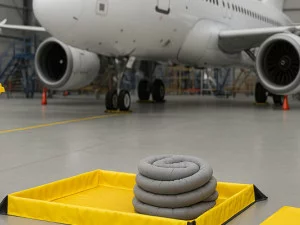
- Utilise spill kits, strategically located throughout the MRO store, to contain and clean up minor spills. For more information on appropriate spill kits, visit Serpro's spill kits.
- Follow manufacturer instructions for safe disposal of contaminated materials.
Long-term Spill Management Strategies
To prevent future spills and manage risks effectively, consider the following strategies:
- Implement regular training for staff on spill response and the use of spill kits.
- Conduct routine inspections of storage areas to identify potential hazards and ensure compliance with COSHH regulations.
- Establish a clear documentation process for spill incidents, which should be integrated into your Safety Management System.
- Regularly review and update spill response plans to reflect any changes in operations or regulations, including guidance from the HSE DSEAR guidance.
By understanding the risks associated with spills and implementing comprehensive response and management strategies, aerospace MRO stores can ensure a safer working environment and maintain regulatory compliance.
Storage Layout for Solvents and Chemicals
Effective management of solvents and chemicals in aerospace MRO stores is essential for minimising risks and ensuring compliance with safety regulations. A well-planned storage layout can significantly enhance safety and efficiency.
Zoning of Storage Areas
To optimise safety, it is crucial to zone storage areas based on the type and hazards of the materials stored. Segregate flammable solvents from non-flammable substances and ensure that incompatible chemicals are stored separately. Designated zones should be clearly marked, and access should be restricted to trained personnel only. For comprehensive guidelines on chemical storage, refer to Serpro's chemical storage solutions.
Ventilation Requirements
Proper ventilation is vital in areas where solvents and chemicals are stored. Ensure that storage zones are equipped with adequate ventilation systems to prevent the accumulation of harmful vapours. Follow the guidelines set forth in the HSE COSHH regulations to assess ventilation needs based on the specific chemicals being stored. Regular checks and maintenance of ventilation equipment are essential to maintain a safe environment.
Labeling and Signage
Clear labeling and signage are critical components of an effective chemical storage layout. All containers should be appropriately labelled with the contents, hazard symbols, and handling instructions. Use standardised signs to indicate storage zones, emergency exits, and spill response kits. This not only aids in compliance with safety regulations but also ensures that all personnel can quickly identify hazards and necessary precautions.
For more information on effective storage solutions, visit Serpro's storage solutions page.
Spill Kits by Zone: Tailoring Response to Specific Areas
Effective spill response in aerospace MRO stores requires tailored spill kits that cater to the unique challenges presented by different zones. Each area within an MRO store may handle various solvents, degreasers, and chemicals, necessitating specific considerations for spill management.
Types of Spill Kits
There are several types of spill kits available, each designed to address particular types of spills. For instance:
- Universal Spill Kits: Suitable for general spills, including oils, solvents, and water-based liquids.
- Oil Spill Kits: Specifically designed for oil-based spills, these kits contain absorbents that repel water.
- Chemical Spill Kits: Tailored for hazardous chemicals, these kits include neutralising agents and personal protective equipment (PPE).
Zone-Specific Considerations
When positioning spill kits, it’s essential to consider the unique characteristics of each zone. For example:
- Workshop Areas: These zones may require chemical spill kits with neutralisers and PPE due to the high volume of hazardous materials.
- Storage Zones: Areas where solvents and flammable substances are stored should have oil spill kits and fire-resistant containers.
- Maintenance Zones: Here, universal spill kits are crucial, as they can address various spills that may occur during maintenance activities.
Training Staff on Spill Kit Usage
Having the right spill kits is only effective if staff are trained in their usage. Regular training sessions should cover:
- Identifying the types of spills that may occur in their specific zones.
- Proper techniques for deploying spill kits and containing spills efficiently.
- Emergency procedures and reporting protocols following a spill event.
For more information on spill kit options, visit Serpro's Spill Kits.
For further guidance on managing hazardous substances, refer to the HSE – COSHH and HSE – DSEAR guidance. Additionally, the CAA – Safety Management Systems provides valuable templates and guidance for implementing effective safety management systems in aviation organisations.
Documentation and Safety Management Systems
Effective management of solvents, degreasers, and chemical inventories in aerospace MRO stores relies heavily on comprehensive documentation. This documentation is crucial for ensuring the safety of personnel, compliance with regulations, and the minimisation of environmental impact. Properly maintained records not only aid in the identification of potential hazards but also facilitate swift action during emergencies.
Importance of Documentation
Documentation serves as the backbone of any safety management system (SMS). It provides a structured approach to managing safety-related information and ensures that all employees are aware of the protocols in place. By maintaining accurate records, organisations can track their compliance with regulations such as the Control of Substances Hazardous to Health (COSHH) and Dangerous Substances and Explosive Atmospheres Regulations (DSEAR). Furthermore, well-documented procedures can enhance training, improve communication, and foster a culture of safety within the organisation.
Types of Required Documentation
In the context of chemical inventory management in aerospace MRO stores, several types of documentation are essential:
- Inventory Records: Detailed lists of all chemicals, including solvents and degreasers, along with their quantities, locations, and safety data sheets (SDS).
- Risk Assessments: Documents that evaluate the potential risks associated with the use and storage of hazardous substances.
- Training Records: Proof that staff have received adequate training on handling chemicals and understanding safety protocols.
- Incident Reports: Documentation of any spills or accidents, including response actions taken and lessons learned.
Integrating Documentation into SMS
To effectively integrate documentation into the safety management system, organisations should establish a systematic approach. This includes:
- Regularly updating all documentation to reflect changes in inventory, regulations, or procedures.
- Ensuring that all staff have access to relevant documents and understand their importance in maintaining safety.
- Utilising documentation solutions that streamline the management, storage, and retrieval of safety documents.
- Conducting periodic reviews and audits to assess the effectiveness of the documentation and SMS as a whole.
By prioritising thorough documentation within the SMS, aerospace MRO stores can significantly enhance their safety protocols and ensure compliance with industry standards, as outlined in the CAA guidance on safety management systems.
Best Practices for Managing Chemical Inventories
Effective management of chemical inventories in aerospace Maintenance, Repair, and Overhaul (MRO) stores is crucial for ensuring safety and compliance. Implementing best practices in this area not only protects workers but also safeguards the environment. Below are actionable strategies for maintaining a robust chemical inventory.
Inventory Tracking Methods
Utilising efficient inventory tracking methods can significantly enhance the management of solvents, degreasers, and other chemicals. Consider adopting digital inventory management systems that allow for real-time tracking of chemical quantities, usage, and expiry dates. Barcoding or RFID tagging can streamline the process, ensuring accurate data collection and reducing human error.
Regular Audits and Reviews
Conducting regular audits and reviews of your chemical inventory is vital for maintaining compliance with regulations and ensuring the safe handling of hazardous substances. These audits should focus on identifying discrepancies, assessing stock levels, and checking for expired or outdated chemicals. Establish a schedule for audits, and ensure that all findings are documented meticulously to support a comprehensive safety management system.
Compliance with Regulations
Adherence to regulations is paramount in managing chemical inventories. Familiarise yourself with the COSHH regulations which outline the requirements for controlling exposure to hazardous substances. Regular training sessions for staff on these regulations will reinforce the importance of compliance and promote a culture of safety within the MRO environment. Additionally, ensure that Material Safety Data Sheets (MSDS) are readily available and accessible for all chemicals in your inventory.
By implementing these best practices, MRO stores can create a safer working environment while optimising the management of their chemical inventories. For more detailed guidance on safety management systems, refer to the CAA Safety Management Systems guidance.
Conclusion: Ensuring Safety and Compliance in Aerospace MRO Stores
In summary, effective management of solvents, degreasers, and chemical inventories is vital in aerospace MRO stores. Key points discussed include the importance of a well-organised storage layout, the implementation of spill response protocols, and the use of spill kits tailored to specific zones within the facility. Additionally, maintaining thorough documentation for safety management systems is crucial for compliance and safety assurance.
It is essential for aerospace MRO facilities to adopt best practices in managing hazardous substances to protect both personnel and the environment. Implementing these practices not only ensures compliance with regulations such as COSHH and DSEAR but also fosters a culture of safety that enhances operational efficiency.
We encourage all MRO facilities to take proactive steps in reviewing and improving their chemical management processes. For further resources and guidance on safety management systems, please visit CAA’s Safety Management Systems guidance or explore additional materials at Serpro Resources.
By prioritising safety and compliance, aerospace MRO stores can significantly mitigate risks associated with hazardous materials while ensuring a safe working environment for all personnel.
For more information on Aerospace MRO Stores: Safe Management of Solvents and Chemicals talk to SERPRO Ltd