 Get Listed

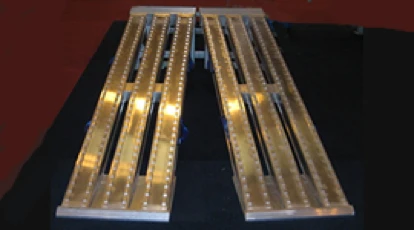
Buying low loader ramps is not complicated, but a few questions up front save you buying the wrong thing. Here is what to work through before you order.
What are you loading? Note the heaviest machine, whether it runs on tyres, solid wheels or tracks, and the wheel or track width. That points you at the right model in the VFR range and the right width, 390mm or 520mm.
Finally, think about the future. Will your machines get bigger? Will you add tracked plant to a wheeled fleet? Buying ramps with a little headroom in capacity and width means they will keep working as your business changes.
How high is the deck? Measure ground to deck where the ramp will sit. That decides length. If standard sizes do not suit, ask for a custom size, as other sizes are available on request.
How will the ramp connect? Lip with steel pin and movable safety device, hinge fitting or bottom hook into guide rail each suit different trailers. Then think about extras such as spring assistance, infills and outriggers or a loading station.
The VFR range is built around a special aluminium construction. Aluminium gives a strength to weight ratio that steel cannot match, which is why it has become the material of choice for plant loading ramps. The ramps stay strong under load, light in the hand and resistant to the weather.
The range is designed for machines equipped with pneumatic tyres, solid wheels and rubber or steel tracks. That covers the vast majority of plant that travels on low loaders and flatbeds, from compact kit up to heavier machines.
Get in touch with Sara Ramps on 07748 985713 or 01442 245577, or drop a line to info@sararamps.co.uk. Standard ramp sizes are listed on our VFR range pages, and if your job needs something different, other sizes can be made to order.
For more information on Buying Low Loader Ramps: What to Ask talk to Sara Ramps