 Get Listed

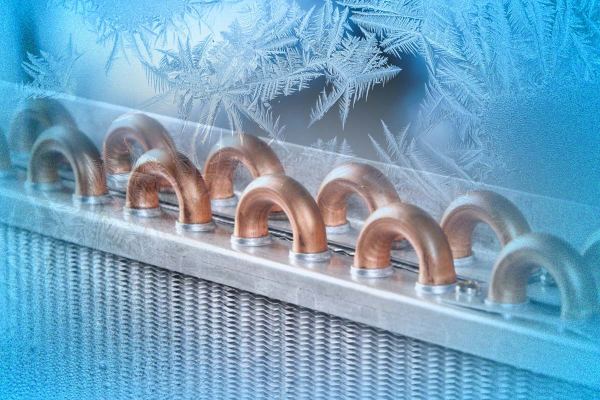
In any commercial or industrial HVAC system, the coils are fundamental to efficient heating and cooling. Whether part of an air handling unit, a split system, or a chiller, they are responsible for the heat transfer that allows your system to effectively condition the air. When these coils become blocked, dirty, or begin to frost over, even the most advanced HVAC equipment will struggle to perform as designed.
HVAC systems rely on two key coil types — evaporator coils, which absorb heat from the indoor air, and condenser coils, which release heat outside. For the system to operate efficiently, both must remain clean, unobstructed, and free from any form of thermal barrier. When a coil becomes compromised, airflow reduces and heat exchange is significantly restricted, forcing the system to work harder and ultimately raising energy consumption.
Coil frosting occurs when the refrigerant inside the evaporator coil drops below freezing and moisture from the surrounding air settles and turns to ice. This usually begins as a thin layer of frost but can quickly develop into a thick block of ice if the underlying issue is not corrected. Problems such as dirty filters, clogged or corroded coils, restricted ductwork, poor airflow, low refrigerant levels, or failing fans all contribute to this condition. Mechanical faults within the refrigeration circuit can also cause temperatures to fall below the intended range, creating an environment where frost forms rapidly.
When coils freeze over, heat transfer becomes severely restricted. Depending on the severity, the system may struggle to maintain temperature, cool or heat unevenly, or run for longer cycles, consuming far more energy than necessary. The additional load placed on components such as compressors, motors, and fans increases mechanical wear and can ultimately lead to complete system failure. In many cases, the system will shut down entirely once the ice build-up prevents normal operation.
Preventing coil frosting is ultimately far easier and more cost-effective than repairing the damage it causes. Routine maintenance, such as regular coil cleaning, filter changes, airflow checks, and refrigerant inspections, helps ensure that coils operate under optimal conditions. Monitoring the system for signs of reduced performance or unusual behaviour can also provide early warning before ice begins to form.
Gibbons Engineering Group provides comprehensive HVAC servicing tailored to commercial and industrial environments. Our engineers are trained to identify the early signs of coil frosting and address the root cause, restoring efficiency and protecting your system from unnecessary strain. By maintaining clean, healthy coils, businesses benefit from improved energy efficiency, enhanced system reliability, and significantly lower long-term operating costs.
For more information on Why Your HVAC Coils Matter — And What Happens When They Frost Over talk to Gibbons Engineering Group Ltd