 Get Listed

Introduction
As the agricultural sector continues to evolve, the efficiency and safety of machinery operations are increasingly emphasised, particularly in regions such as Gloucestershire. With diverse farming practices ranging from crop production to livestock management, the need for skilled operators of machinery such as telehandlers, excavators, and dumpers has become paramount. Proper NPORS Training in the use of these machines not only enhances safety but also significantly improves productivity, making it an essential investment for farmers. This includes understanding The Importance of Telehandler and Excavator Training for Gloucestershire Farmers.
This article delves into the critical aspects of machinery training for farmers in Gloucestershire. It discusses the importance of safety practices, improved equipment handling, increased productivity, compliance with health and safety regulations, and the acceptance of training by insurance policies. By understanding these elements, farmers can make informed decisions about investing in training programs that will ultimately benefit their operations.
Recognising The Importance of Agricultural Machinery Training for Farmers can lead to safer operational practices and better outcomes on farms.
Enhanced Safety Practices
Importance of Safety Training for Farmers
Agricultural Machinery Training is crucial for any operation involving heavy machinery. For farmers, the risks associated with operating telehandlers, excavators, and other equipment include potential accidents that can lead to injuries or fatalities. Proper training ensures that operators are well-versed in safety protocols, reducing the likelihood of accidents. This includes understanding the machinery’s limitations, recognising hazards in the work environment, and being prepared for emergencies.
Moreover, agricultural machinery training fosters a culture of safety within the farming community. When farmers prioritise safety, it encourages their employees to adopt similar attitudes, further enhancing the overall safety of the workplace. This collective responsibility can inspire more rigorous adherence to safety practices, which is particularly important in rural areas where medical assistance may not be readily available.
Case Studies: Real-Life Incidents and Lessons Learned
Examining real-life incidents can highlight the importance of proper training. For instance, there have been numerous reports of accidents involving telehandlers where operators lacked training. In one instance, a farmer in Gloucestershire suffered a serious injury when the telehandler tipped over due to improper load management. The investigation revealed that the operator had not received adequate Telehandler Training on weight distribution or the machine’s handling capabilities.
Such incidents underscore the necessity for comprehensive training programs that cover all aspects of machinery operation. Learning from these scenarios not only helps prevent similar accidents but also reinforces the importance of adhering to safety regulations and practices.
Improved Equipment Handling
Telehandler Training: Techniques and Best Practices
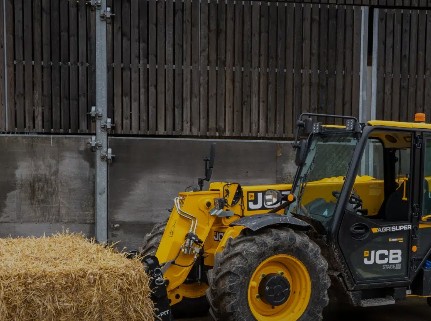
Telehandlers are versatile machines that can lift and move heavy loads, making them invaluable on farms. Training in telehandler operation focuses on several key techniques, including proper lifting, loading, and manoeuvring. Operators learn to assess the weight and size of loads, understand the machine’s reach, and maintain stability during operations.
Additionally, Telehandler Training programs often include simulations and hands-on practice, allowing operators to experience various scenarios they may face in the field. This practical experience is essential for developing the muscle memory and confidence required for safe operation under real-world conditions.
Excavator Training: Mastering Control and Precision
Excavators are critical for tasks such as digging, grading, and demolition. Effective training for excavator operators emphasises precise control and spatial awareness. Operators are taught to visualise their movements and understand the implications of their actions, thereby minimising the risks of accidents or equipment damage.
360 Excavator Training also covers the importance of regular maintenance checks to ensure the excavator is in optimal working condition. By familiarising operators with their machinery, they can identify potential issues before they escalate, further enhancing safety and efficiency.
Dumper Training: Understanding Load Management
Dumper trucks play a vital role in transporting materials around the farm. Operators need to be trained in load management to ensure their vehicles are not overloaded, which can lead to tipping and other dangerous scenarios. Understanding how to distribute loads evenly and knowing the dumper’s weight limits are critical components of effective Dumper Training.
Proper dumper training also includes instruction on route planning to avoid obstacles and ensure safe transportation of materials. By mastering these skills, operators can effectively contribute to the overall productivity of farm operations.
Attachment Training: Maximising Equipment Versatility
Many farming tasks require the use of various attachments with machinery, such as forks, buckets, and grapples. Training in attachment use is essential for maximising the versatility of equipment. Operators learn how to switch attachments safely and use them effectively, which can greatly enhance the efficiency of tasks.
Furthermore, understanding the specific capabilities and limitations of each attachment allows operators to choose the right tools for each job, reducing time spent on tasks and increasing overall productivity on the farm. More about Telehandler Attachments & Excavator Attachment Training
Increased Productivity
How Training Leads to Efficient Operations
Investing in machinery training directly correlates to increased productivity on the farm. Well-trained operators can perform tasks more efficiently, reducing downtime and accelerating project completion. This efficiency translates to better use of resources and ultimately contributes to improved profitability.
Moreover, a trained workforce can adapt to the demands of various agricultural tasks more readily than untrained personnel. They are equipped with the skills to tackle challenges that may arise, ensuring that operations run smoothly even in unpredictable conditions.
Time Management and Task Efficiency
Time is a crucial factor in farming, where seasonal tasks often dictate the pace of work. Machinery training enhances time management by providing operators with the skills to complete tasks more quickly and efficiently. For example, an operator who knows how to use a telehandler effectively can move materials faster than someone who lacks training, thereby freeing up time to attend to other critical tasks.
Such efficiency not only boosts productivity but also allows farmers to take on additional work or expand their operations, thereby increasing their income potential.
Impact on Overall Farm Performance
The cumulative effect of improved safety, equipment handling, and productivity training significantly enhances overall farm performance. A well-trained team operates machines with confidence, enabling them to tackle various tasks without hesitation. This seamless operation leads to higher output levels and reduced costs, ultimately making the farm more competitive in the market.
Furthermore, the reputation of a farm can improve as a result of efficient operations. A farm known for its professionalism and safety commitment may attract more clients and business opportunities, enhancing its viability within the agricultural sector.
HES Compliant
Understanding Health and Safety Regulations
Compliance with health and safety regulations is not merely a legal obligation; it’s a fundamental aspect of running a successful farming operation. Understanding these regulations is critical for farmers and their employees. Training programs often incorporate a comprehensive overview of relevant laws, ensuring that operators are aware of their responsibilities and the standards they must meet.
Additionally, compliance promotes a safer working environment, reducing the likelihood of accidents and the associated costs of medical claims and repairs. It also contributes to a positive workplace culture where safety is prioritised, leading to higher morale among workers.
Importance of Compliance for Farming Operations
Health and safety compliance can also have a significant impact on business operations. Non-compliance can result in fines, legal issues, and increased insurance premiums, all of which can negatively affect a farm’s bottom line. By investing in training that emphasises compliance, farmers can avoid these pitfalls while ensuring a safer working environment.
Moreover, a commitment to safety can enhance a farm’s reputation, making it more attractive to potential employees and business partners. In a competitive agricultural landscape, this can be a substantial advantage.
NFU Insurance Acceptance of Competence
How Training Affects Insurance Policies
Insurance is a vital aspect of any business, and for farmers, it is particularly critical due to the inherent risks involved in operating heavy machinery. The National Farmers’ Union (NFU) offers insurance policies that take into account the competence of operators. Farmers who prioritise training for their staff can often benefit from lower premiums, as insurers recognise that trained operators are less likely to be involved in accidents.
By demonstrating a commitment to plant training, farmers can negotiate more favourable terms with their insurance providers. This not only reduces costs but also provides peace of mind knowing that their operations are adequately covered.
Benefits of NFU Insurance for Trained Operators
NFU insurance comes with numerous benefits for trained operators, including liability coverage and protection against accidents. In the event of an incident, a farmer with a well-trained workforce is more likely to be covered without disputes about negligence. This assurance is critical for maintaining financial stability, especially when unexpected accidents can lead to significant expenses.
Moreover, the NFU often provides additional resources and support for trained operators, including access to legal advice and risk management strategies. This holistic approach helps farmers navigate the complexities of operating machinery safely and efficiently.
Conclusion
In summary, the importance of telehandler and excavator training for Gloucestershire farmers cannot be overstated. Enhanced safety practices, improved equipment handling, and increased productivity are just a few of the significant benefits that stem from investing in proper training. Furthermore, compliance with health and safety regulations and acceptance of training by insurance policies further underscore the value of this investment.
As the agricultural industry continues to face new challenges and demands, equipping operators with the necessary skills and knowledge will be essential for success. By prioritising training, farmers can ensure their operations are safe, efficient, and competitive in an ever-evolving market.
FAQs
What types of machinery require training for safe operation?
Farm machinery such as telehandlers, excavators, dumpers, and various attachments require specific training for safe and effective operation. Each type of machine has unique handling characteristics that operators must understand.
How long do training programs typically last?
The duration of training programs can vary based on the complexity of the machinery and the depth of the training provided. Generally, comprehensive programs can range from 1 day to a few days, including both theoretical and practical components.
Are there any regulatory requirements for machinery training in agriculture?
Yes, there are regulatory requirements regarding health and safety in agricultural operations. Farmers must ensure that their operators are trained and competent in using machinery safely to comply with these regulations.
What are the financial benefits of investing in machinery training?
Investing in machinery training can lead to reduced insurance premiums, lower accident-related costs, increased productivity, and ultimately, improved profitability. A well-trained workforce can also minimise equipment damage and downtime.
How can farmers find reputable training programs?
Farmers can find reputable training programs through industry associations, local agricultural colleges, and specialised training organizations like Vally Plant Training. It’s essential to choose programs that are recognised and accredited to ensure quality training.
For more information on Maximising Efficiency: The Importance of Telehandler and Excavator Training for Gloucestershire Farmers talk to Vally Plant Training