 Get Listed

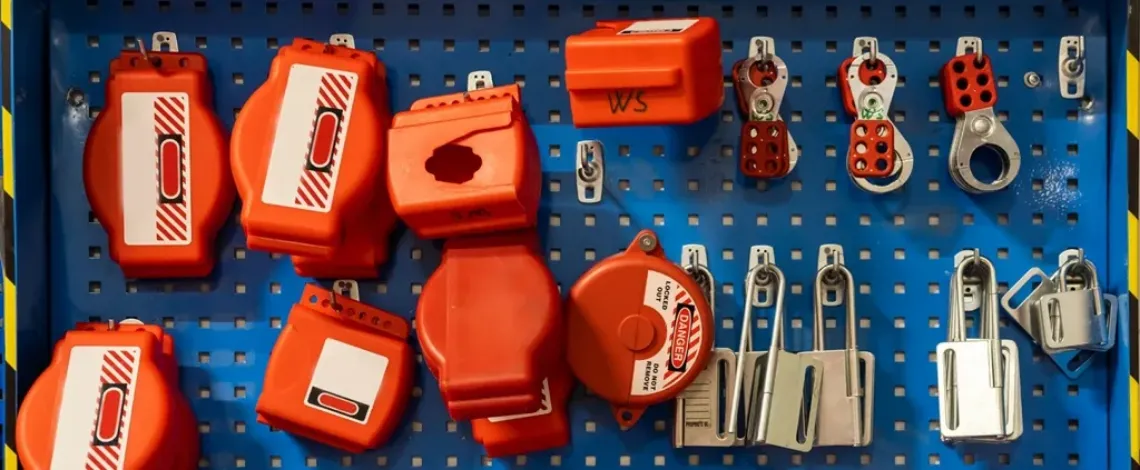
Lockout devices are a vital safety measure in industrial environments, especially during maintenance, repairs, and inspections. But what exactly is a lockout device, and how does it protect workers? In this guide, we’ll explain what lockout devices are, how they work, the types available, and how to use them effectively within a lockout tagout (LOTO) procedure to maintain safe and compliant operations.
What Is a Lockout Device?
A lockout device is a safety mechanism used to secure energy-isolating equipment such as valves, levers, and circuit breakers in a fixed, safe position. This ensures hazardous energy sources remain isolated, preventing the unexpected release of electricity, gas, pressure, or chemicals while work is carried out.
Machinery can store energy in many forms—electrical, thermal, hydraulic or pneumatic—which, if not properly controlled, can pose serious risks. Lockout devices prevent accidental activation by physically locking systems in their off position. In many cases, these devices allow multiple padlocks to be fitted, so that each authorised person working on the equipment can attach their own lock, guaranteeing no one can restart the system until all locks are removed.
Why Are Lockout Devices Important?
Lockout devices are essential for worker safety and legal compliance. They are designed to prevent accidental reactivation of machinery during servicing, significantly reducing the risk of injury or fatal incidents. Used correctly, they ensure dangerous energy sources are fully controlled and cannot be accessed or operated until it is safe to do so.
They also help businesses comply with UK health and safety legislation, minimise downtime, and improve workplace safety culture. Accidents caused by uncontrolled energy are often avoidable, and using lockout tagout devices as part of an established procedure greatly reduces such risks.
How Lockout Devices Work
Lockout devices function by physically preventing machinery from moving or being energised. Once the energy source is isolated, the lockout device is secured in place—often with a padlock—so it cannot be operated. Multi-lock systems allow several people to apply their own padlocks, ensuring equipment is only re-energised when all work is complete and every authorised user has removed their lock.
Common Accidents Prevented by LOTO Procedures
-
A conveyor belt crushes a technician after being switched on during inspection.
-
A valve opens mid-repair, releasing high-pressure steam or chemicals.
-
An electric shock is caused when someone works on an unisolated circuit.
All these could be prevented with correct lockout protocols.
Key Steps in a Lockout Tagout Procedure
-
Energy Isolation: De-energise equipment using appropriate isolation points such as circuit breakers or valves.
-
Locking and Tagging: Secure the equipment with a lockout device and attach a tag showing who applied it and why.
-
Verification: Ensure all stored energy has been discharged and test for zero-energy status.
-
Completion and Re-Energising: Once the work is complete and all padlocks removed, the system can be safely reactivated.
Types of Lockout Devices
We supply a wide range of lockout devices to suit various industrial applications:
-
Universal Valve Lockouts: Suitable for multiple valve types including quarter-turn and butterfly valves. Can be used with hasps and padlocks.
-
Ball Valve Lockouts: Two-piece ABS units that secure the handle in the off position, designed to withstand tough industrial use.
-
Clamshell Gate Valve Lockouts: Enclose the valve handwheel entirely. Once locked, the outer shell rotates freely, preventing operation.
-
Cable Valve Lockouts: Ideal for locking out multiple valves or oversized components at once, using a single cable mechanism.
-
Car Seals: Single-use metal cable seals used to keep valves in a fixed position over longer periods. Ideal for awkward or remote locations.
-
Valve Lockout Security Connectors: Reusable units that encase connectors and are secured with a tamper-evident seal.
-
Steel and Nylon Lockout Hasps: Allow multiple padlocks to be applied to a single lockout point. Nylon versions are non-conductive, suitable for electrical lockouts.
Supporting Equipment for Lockout Tagout
-
Safety Warning Tags: Communicate key safety information, including who applied the lock and why.
-
Plastic Shackle Padlocks: Lightweight, non-conductive locks suitable for electrical environments.
-
Group Lockout Boxes: Store the key to a locked device and allow each worker to apply their own padlock to the box, ensuring true group safety control.
Regulatory and Safety Considerations
In the UK, lockout procedures form part of legal obligations under the Health and Safety at Work Act 1974 and PUWER 1998. Employers must ensure machinery is safely maintained and that workers are protected from hazardous energy.
Training staff in proper LOTO practices is essential. Regular audits, inspections, and reviews of procedures help maintain high safety standards and ensure compliance.
Summary
Lockout devices are a critical component in industrial safety, helping prevent unexpected machinery activation and protecting workers during servicing. Used correctly within a structured lockout tagout procedure, they reduce accidents, support legal compliance, and foster a safety-first workplace culture.
If you're unsure which lockout equipment is right for your operation, contact Universeal today. Our team can advise on the most effective devices for your specific needs, from valve lockouts to full LOTO kits and accessories.
For more information on What Is a Lockout Device and How Does It Help Prevent Accidents? talk to Universeal (UK) Ltd