 Get Listed


Rollator Walker Safety Guide: How to Choose and Use the Right Walking Aid
Rollator walkers are essential mobility aids designed to support users when walking and to promote greater independence. Choosing the right rollator, and purchasing it from a reputable supplier, is crucial for ensuring safety, comfort, and long‑term reliability. Because different mobility aids offer varying levels of support, it’s important to select a rollator that matches the user’s individual needs.
What is a Rollator?
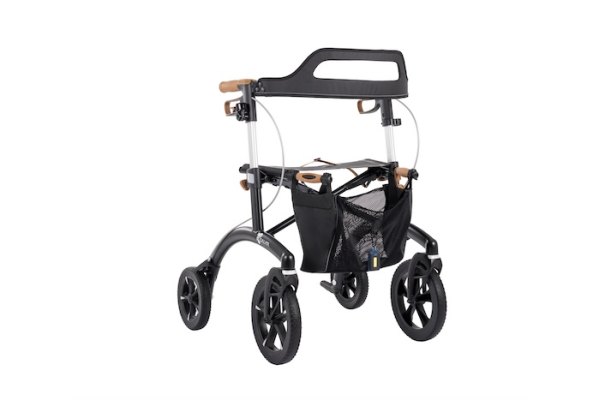
A rollator, often called a rollator walker, is a wheeled walking aid designed for people who need extra stability and support while moving around. Unlike standard walking frames, rollators typically feature three or four wheels, making them easier to manoeuvre both indoors and outdoors.
Most rollators include adjustable handles for proper posture and brakes and parking brakes for enhanced control and safety. Rollators also often include seats to allow users to rest when needed, bags to assist users to carry shopping and essentials along with reflectors for visibility in low-light conditions. Many models are folding with lightweight aluminium and carbon options available, perfect for those who struggle to lift the rollator into the car boot or over kerbs.
Rollators can significantly enhance mobility, but only when they are correctly fitted and purchased from a trusted supplier. A high‑quality rollator ensures safe use, long‑term durability, and the right level of support for the user’s mobility needs.
What Safety Standards Do Rollators Meet?
In the UK, rollators are classified as Class 1 Medical Devices. This category includes low‑risk, non‑invasive products designed to support users safely in everyday life. To be legally sold in the UK, a rollator must meet several regulatory requirements that ensure its safety, quality, and performance.
In the UK rollators must be registered with the Medicines & Healthcare products Regulatory Agency (MHRA). This confirms that the manufacturer or supplier meets UK regulatory obligations. They also must meet regulations of the requirements of EU Regulation 2017/745 (MDR) which sets strict standards for safety, performance, and labelling. In addition they should be CE marked and UKCA marked to demonstrate compliance with UK‑specific medical device regulations.
Beyond mandatory regulatory requirements, many high‑quality rollators are also designed and tested in line with international standards to ensure durability, stability, and user safety. For example, ISO 11199-2:2021 Part 2 is the standard which focuses on the requirements and test methods for assistive products for walking including rollators. The standard provides guidance around safety, ergonomics and performance of rollators along with marking and labelling.
A further standard some rollators comply to, such as Saljol rollators, is ISO 10993-5, the standard for the biological evaluation of medical devices.
Who Can Safely Use a Rollator?
With so many walking aids available, it’s important to understand whether a rollator is the right mobility solution for your needs. Rollator walkers are designed to provide support, stability, and confidence when walking, whether at home, outdoors, or in community settings. They come in various styles, including 3‑wheeled rollators, 4‑wheeled rollators, and indoor rollators, each offering different levels of support.
In general, 4‑wheeled rollators provide the most stability, while 3‑wheeled models are lighter and easier to manoeuvre in tight spaces. Many rollators also include practical features such as seats, bags, and baskets, helping users rest when needed and carry essentials safely, boosting independence.
Rollators are commonly used by people with a wide range of mobility challenges. These include individuals with arthritis, those recovering from hip or knee replacement surgery, people with COPD, users with weak muscles, those who experience fatigue, and older adults who need extra support when walking. They can also be beneficial for people with disabilities who require a stable walking aid to move safely and confidently.
However, a rollator is not suitable for everyone. People with severe balance problems or those who are unable to stand unaided should not use a rollator, as it may not provide the level of support they require. In these situations, a wheelchair or mobility scooter is likely to be a safer and more appropriate option.
Some users may require specific rollator features depending on their condition. For example, individuals who have had a stroke, or those with Multiple Sclerosis or similar neurological conditions, may find it difficult to walk in a straight line. In these cases, a rollator with a grinding (drag) brake can help regulate walking speed and improve straight‑line movement. The Saljol Carbon Rollator, for instance, allows the grinding brake to be applied on one or both sides to match the user’s walking pattern.
For users with arthritis in their hands or those who have limited hand function following a stroke, there are rollators available with one‑hand brake control. Some models from Rehasense and Saljol offer this feature, making the rollator easier and safer to operate.
If you are unsure whether a rollator walker is the most suitable walking aid for your needs, it is recommended that you speak with your doctor, physiotherapist or Occupational Therapist. They can assess your mobility and advise on the safest and most appropriate solution for you.
What Alternative Walking Aids Are Available?
There is a wide range of alternative walking aids available to support users with limited mobility. These include walking sticks, crutches, zimmer frames (walking frames), wheelchairs, powerchairs and mobility scooters. Each option offers a different level of support, stability and independence, making it important to choose the aid that best suits your mobility needs and daily activities.
For more information on Rollator Walker Safety Guide: How to Choose and Use the Right Walking Aid talk to The Ramp People