 Get Listed


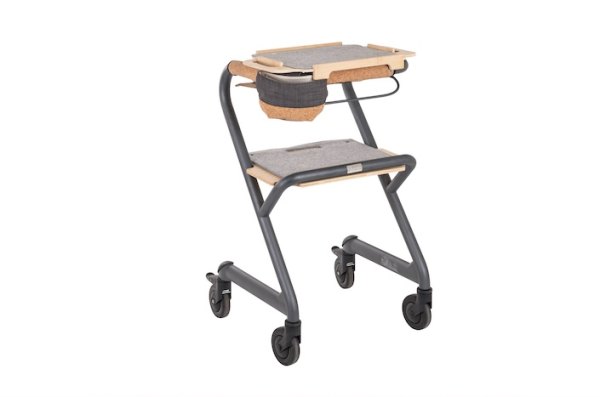
Maintaining balance when out and about can be difficult for the elderly, those with injuries and those with disabilities.
Loss of balance can lead to falls and injuries which, depending on age and abilities, can significantly reduce confidence and independence and may have long-term effects.
In this guide we will look at the types of walking aids available to help support you at home and out and about.
Why Use a Walking Aid for Balance?
Walking aids provide valuable support for users both at home and when out and about. They are often height-adjustable, allowing them to be set at the correct level for the user. This helps promote better posture while ensuring the aid is comfortable and safe to use.
With weight capacities typically ranging from 100kg to 300kg, walking aids are designed to safely support the user’s body weight. Higher capacities are available for bariatric users. This allows individuals to lean on them with confidence whenever extra balance or stability is needed.
They can also help reduce strain and pressure on the legs, hips, and joints, which is particularly beneficial for people living with arthritis, those recovering from surgery, or anyone experiencing reduced mobility. Their supportive design can help lower the risk of falls by providing additional stability during movement.
Many walking aids also include practical features to improve comfort and independence. For example, 4-wheeled rollators often come with built-in seats, allowing users to sit and rest whenever needed. This can be especially helpful for individuals who experience fatigue, weakness, or occasional dizziness when walking longer distances.
For those looking for the most supportive solution, 4-wheeled rollators provide the most support when walking.
Common benefits include:
- Improved balance
- Reduced risk of falls
- Improved confidence
- Reduced strain on muscles and joints
What To Consider When Choosing a Walking Aid?
When choosing a walking aid it is important to consider your abilities as some mobility aids offer more support than others.
Walking sticks provide light support to users and are often aimed at those with limited mobility or injuries on one side. Walking sticks are also commonly used in conjunction with rollators. For example, many use a walking stick for short journeys or around the home but use a 4-wheeled rollator for additional support when out and about.
For more information on Best Walking Aid for Balance: Rollators, Walkers and Walking Sticks talk to The Ramp People