 Get Listed

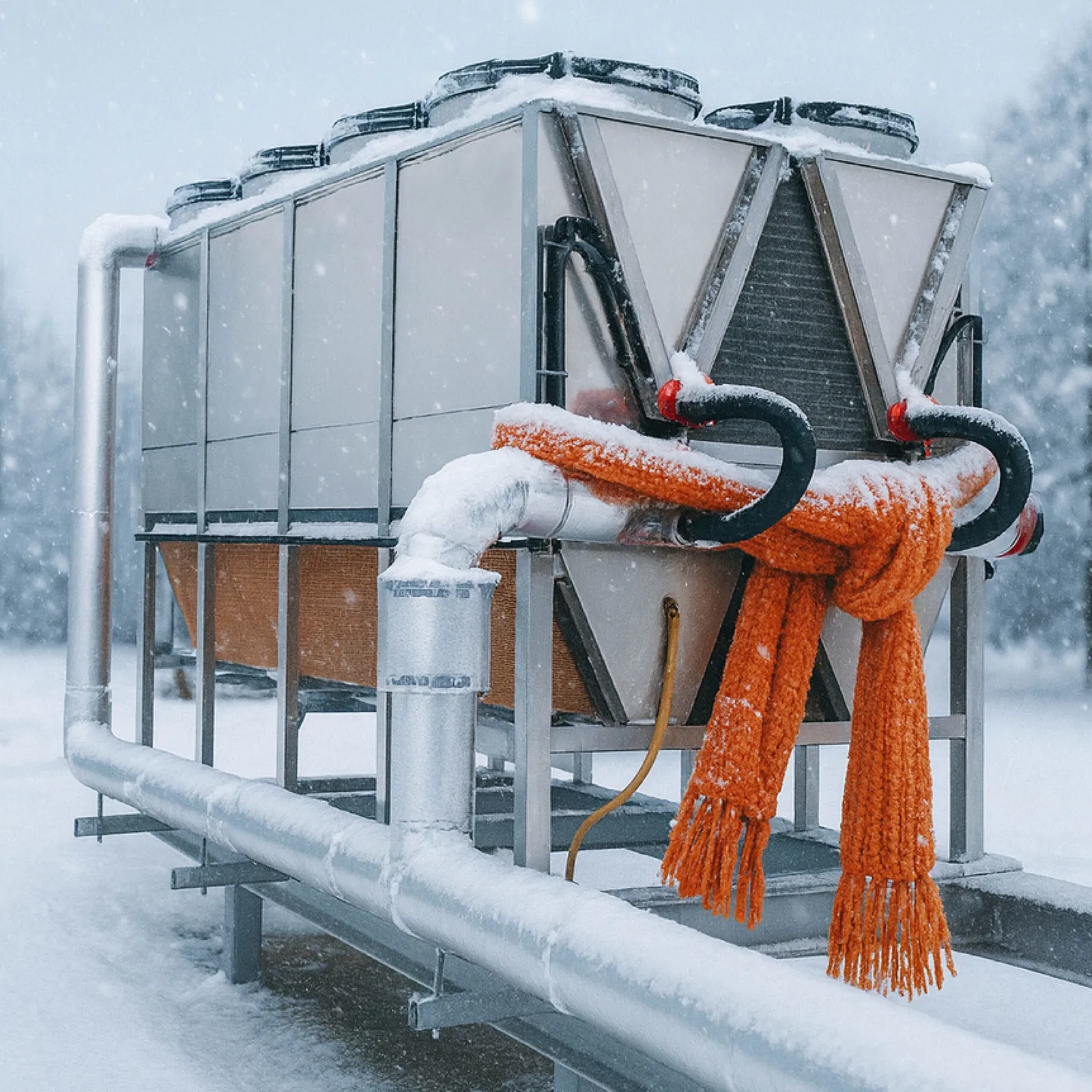
Winter glycol checks: as temperatures fall, industrial cooling systems face greater risks from freezing, corrosion and bacterial growth. A simple glycol check is one of the most effective ways to prevent winter breakdowns and keep production running. Use the steps below to ensure your chiller plant is ready for the colder months.
-
Confirm your glycol concentration
Verify that levels are within the recommended range for UK conditions. A concentration of 25–30% typically provides freeze protection to around −12°C to −16°C. Lower levels increase the risk of freezing and can encourage bacterial growth. -
Check for dilution or contamination
Frequent top-ups may leave the mix weaker than expected. Water ingress, corrosion products or bacterial contamination reduce freeze protection and harm thermal performance. Inspect fluid clarity, colour and odour, and look for suspended particles. Summit Process Cooling can carry out quick on-site analysis to confirm fluid quality. -
Inspect strainers, filters and pipework
Strainers and filters trap debris, rust flakes and organic matter. Clean or replace them before winter to maintain flow and prevent blockages. Check pipework for leaks or corrosion that may have caused dilution. -
Validate freeze-point protection
Even with the right concentration, confirm the actual freeze point. Glycol type and inhibitor package affect performance. A handheld refractometer or test kit will verify the true protection level. Summit Process Cooling engineers can validate this and advise on any corrections. -
Review the glycol type in use
Ensure the system is filled with the correct product. Mono ethylene glycol (MEG) offers excellent heat transfer; propylene glycol (PG) is preferred where lower toxicity is required; DTX provides a non-toxic alternative with strong inhibitor performance. Avoid mixing types, which can reduce protection and shorten fluid life. -
Top up with inhibited glycol
If adjustment is needed, top up only with the same glycol type and ensure it includes a corrosion inhibitor package to protect pumps, heat exchangers and mixed metals. Summit Process Cooling supplies MEG, PG and DTX in 25-litre to 1000-litre containers for controlled top-ups. -
Look for signs of bacterial activity
If concentration has dropped below 20% at any time, bacteria may already be present. Indicators include discolouration, cloudiness, odour, black sludge or reduced flow. Early action prevents fouling and blockages that can cripple cooling circuits in cold weather. -
Book a professional glycol test
For complete peace of mind, schedule a winter glycol check with Summit Process Cooling. Our engineers will test concentration, freeze point, inhibitor performance and overall system condition, then provide clear recommendations to keep your system protected throughout winter.
In short, winter readiness begins with maintaining the correct glycol condition. Verify concentration, check for contamination, confirm freeze protection and use the right inhibited glycol to prevent freezing, corrosion and downtime. Regular inspections and early intervention protect equipment, sustain efficiency and extend system life. A professional glycol test ensures nothing is missed, so you enter winter confident that your process cooling system is protected, reliable and ready to perform.
For more information on Winter Glycol Checks: 8 Top Tips to Keep Your Cooling System Protected talk to Summit Process Cooling