 Get Listed
What is Protective Packaging?
What is Protective Packaging?
Protective packaging is the unsung hero of modern commerce. It sits between your product and the outside world, absorbing shocks, preventing damage, and ensuring items arrive at their destination in one piece. For businesses, consumers, and logistics professionals alike, understanding protective packaging is essential to reduce returns, protect brand reputation, and minimise waste.
Introduction: Why Protective Packaging Matters
Every day, goods travel through complex supply chains, ships, trucks, warehouses, and distribution centers. Without effective protective packaging, even a small drop or a rough handling event can lead to costly damage. Protective packaging encompasses materials, methods, and designs that shield products from vibration, impact, compression, moisture, dust, and temperature fluctuations. In short, it’s the first line of defense against breakage and spoilage.
What Counts as Protective Packaging?
Protective packaging includes a range of materials and strategies tailored to the product and the journey it will undertake. Common components are:
Protective inserts: foam, air pillows, molded pulp, or corrugated inserts that cradle the product.
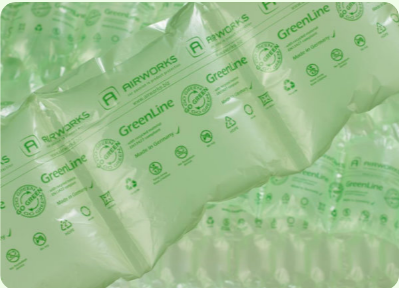
Cushions and void-fill: bubble wrap, packing paper, or air pillows that fill gaps and dampen movement.
Structural packaging: rigid boxes, corner and edge protectors, and dividers that maintain product position.
Moisture control: desiccants and barrier sleeves to reduce humidity and condensation.
Temperature protection: insulated packs or phase-change materials for temperature-sensitive goods.
Tamper-evidence and security: strong seals and tamper-evident labels to protect against tampering.
Sustainability-focused options: recyclable, compostable, or reusable packaging that minimises environmental impact.
The goal is to choose a combination that protects the item without adding unnecessary bulk or weight. This balance influences shipping costs, sustainability, and overall customer satisfaction.
How Protective Packaging Reduces Risk
Investing in protective packaging delivers several tangible benefits:
Damage reduction: Proper cushioning and containment prevent dents, scratches, and shattered products.
Return rate reduction: With reliable packaging, there are fewer damaged items that require refunds or replacements.
Brand protection: A product that arrives in pristine condition reinforces trust and a positive customer experience.
Cost efficiency: While protective packaging adds upfront cost, it can lower total costs by reducing waste, returns, and warranty claims.
Environmental benefits: Choosing materials that are recyclable or reusable helps meet sustainability goals.
Choosing the Right Protective Packaging
Selecting the best protective packaging depends on several factors:
Product characteristics: Size, weight, fragility, and value dictate the level of protection required.
Shipping route and handling: Long-haul journeys, multi-modal transport, or rough handling increase the need for robust protection.
Storage conditions: Temperature, humidity, and potential exposure to moisture influence material choices.
Environmental considerations: Corporate sustainability goals may steer choices toward recyclable or reusable options.
Cost and feasibility: Budget constraints and supplier availability affect material selection.
A practical approach is to conduct a risk assessment: identify likely damage scenarios, estimate their probability, and determine the protective measures that address the most significant risks.
Innovations in Protective Packaging
The field is evolving rapidly as technology and environmental awareness drive improvements. Notable trends include:
Eco-friendly materials: biodegradable, compostable, and easily recyclable options reduce environmental impact.
Rigid boxes with integrated cushioning: engineered packaging that protects at the source, minimising void-fill.
Smart packaging: sensors and temperature indicators help monitor conditions during transit.
Lightweight yet sturdy designs: advanced foams and corrugated board reduce weight without compromising protection.
Reusable packaging systems: returnable crates and totes that lower disposal needs and total cost over time.
Best Practices for Implementing Protective Packaging
To maximise effectiveness, organisations should adopt several best practices:
Standardise packaging guidelines: Create a packaging specification that covers common SKUs and typical shipping routes.
Test and validate: Use drop tests, vibration tests, and environmental simulations to verify protection.
Document and label: Clearly label handling instructions and include necessary documentation inside the package.
Consider total cost of ownership: Evaluate not just material costs, but handling, storage, and end-of-life disposal.
Engage with carriers: Align packaging with carrier requirements to avoid extra fees or delays.
Environmental and Ethical Considerations
Protective packaging must balance protection with sustainability. The industry is moving toward materials that perform well while reducing environmental impact. Recycling streams, compostability, and reusability are increasingly important. When possible, choose suppliers who provide transparent life-cycle data and take responsibility for the end-of-life of their packaging.
Final Thoughts
Protective packaging is more than just a box and some bubble wrap. It is a carefully designed system that protects products, reduces waste, and supports a positive customer experience. By understanding the fundamentals, what protective packaging is, how it reduces risk, how to choose the right materials, and what innovations are shaping the field, businesses can optimise their packaging strategy for performance, cost, and sustainability. In a world of complex supply chains, protective packaging remains a critical investment in product integrity and brand trust.
For more information on What is Protective Packaging? talk to Severn Packaging