 Get Listed

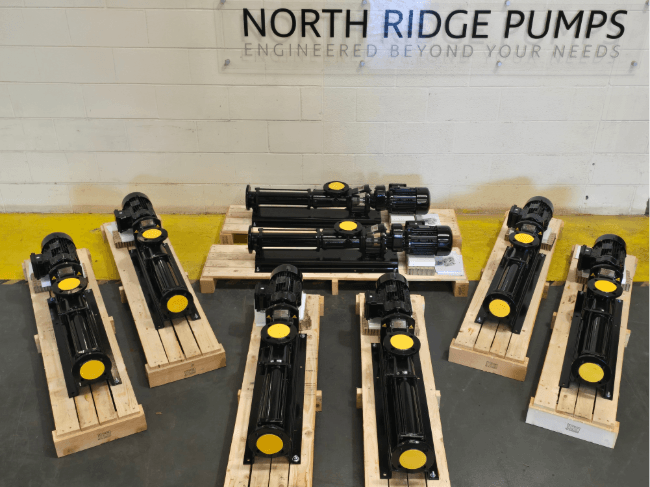
Eight pumps were required by a UK manufacturer of outflow heaters for transferring recycled fuel oil. North Ridge Pumps selected progressing-cavity technology for a duty involving heated Class D oil, with the emphasis on controlled flow, gentle handling and compatibility with the process conditions.
The specified fluid had a viscosity of approximately 10cP. The requested flow was 50 litres per minute, equivalent to 3,000 litres per hour, at temperatures between 80°C and 100°C and pressures up to four bar.
Recycled oil presents a variable transfer duty
Recovered oils can differ considerably in origin, contamination and treatment history. Water, suspended material and changing viscosity can influence how a pump performs, making a clear description of the actual fluid essential before equipment is selected.
North Ridge's case study discusses the wider use of recovered oils in industrial heat generation and in products such as bitumen-based materials. It notes that treatment may include filtration and separation of water or solids before a recovered stream can be used in its intended process.
The properties of a particular recovered fuel cannot be established simply from the description 'waste oil'. Lubricating oils, contaminated fuel oils, interceptor mixtures and used cooking oils have different characteristics and handling requirements. Cooking oils also need to be kept separate from mineral-oil streams where the recovery process requires it.
Assessing the treatment process
The source outlines several approaches used in oil recovery and energy processing. Physical treatment and blending can involve dehydration and filtration before an oil is combined with a suitable fuel stream. Thermal processes can include controlled combustion, pyrolysis or gasification, while suitable waste lipid oils may be processed through transesterification for biodiesel production.
Each process places different demands on the transfer equipment. Temperature, solids, water content, chemical composition and the required flow all affect the specification. These process descriptions do not establish that a particular recovered oil is authorised or suitable for a burner, engine or other end use; the fuel specification and environmental requirements must be assessed separately.
Pyrolysis is discussed as one example of a thermal process in which material is heated without oxygen and the resulting vapours are cooled to recover liquid products. The composition and quality of those products depend on the feedstock and treatment. The pump project itself concerned the transfer conditions supplied by the heater manufacturer rather than a general approval of a recovered fuel or processing route.
Why gentle pumping matters
Progressing-cavity pumps provide a positive-displacement transfer action. North Ridge highlights their low-shear handling of oils and oil-water mixtures, where the effect of a pump on droplets can influence later filtration or separation.
The company refers to comparative research from the Society of Petroleum Engineers, identified in its source as Paper SPE18204, when explaining its choice. Its point is that the behaviour of droplets through the pumping stage can matter alongside the nominal flow and pressure. The article does not treat one pump type as universally preferable for every recovered-oil process.
Where downstream equipment relies on separating water and oil, changes to droplet size and dispersion can affect the process. A specification therefore needs to consider how the fluid is handled, rather than select a pump solely from the required litres per minute.
Matching the heater manufacturer's requirements
For this project, North Ridge selected progressing-cavity pumps for the heated, relatively low-viscosity oil duty. The company identifies consistent volumetric delivery at varying pressure, the ability to accommodate viscosity changes within the selected pump's limits, and appropriate solids handling as relevant features.
The requested 80–100°C operating temperature and four-bar pressure limit formed part of the specification. Materials, elastomers, sealing arrangements and the complete installation need to be selected for the actual oil and its contaminants; general information about a pump technology does not replace those checks.
The project also demonstrates why North Ridge considers more than one technology before selecting a pump. The fluid condition, required handling characteristics and treatment process can lead to a different choice from one based only on purchase price or a single performance figure.
Planning a recovered-oil transfer system
A useful enquiry should describe the oil source, temperature range, viscosity, solids and water content, required flow and discharge conditions. Providing the operating envelope helps the supplier assess the pump and its wetted components against the process.
North Ridge can discuss recycled-fuel transfer applications and the factors that influence pump selection. In this case, the result was an eight-pump progressing-cavity specification centred on the customer's stated heated-oil duty and the need for controlled, low-shear handling.
Source: North Ridge Pumps
For more information on Class D Waste Fuel Oil Transfer Pumps for Heat Generation talk to North Ridge Pumps Ltd