 Get Listed
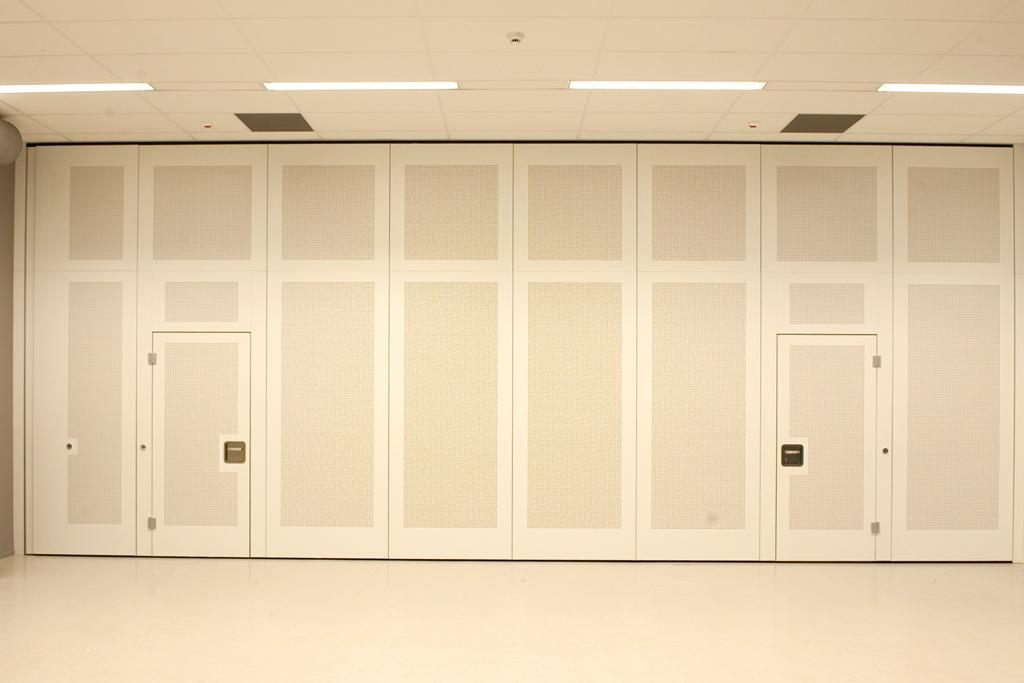
Movable walls and folding partitions have become an integral part of modern commercial buildings, allowing businesses to create flexible spaces that can adapt to changing operational requirements. From offices and schools to hotels, conference centres and public buildings, these systems provide an efficient way to maximise available floor space without costly refurbishment works.
However, while movable walls and sliding folding partitions are designed for durability, they are not maintenance-free. Like any mechanical system, they require regular servicing and preventative maintenance to ensure they continue operating safely, efficiently and reliably over the long term.
According to partitioning specialist Monowa, ongoing maintenance is essential for protecting both the performance and lifespan of movable wall systems, helping organisations avoid unexpected downtime, costly repairs and potential safety issues.
Movable Walls Are Mechanical Systems
Unlike fixed partitioning, movable walls contain multiple mechanical components that work together to create flexible room configurations. Tracks, rollers, hinges, locking mechanisms, seals and suspension systems all play a role in ensuring smooth operation.
Operable wall systems typically consist of individual panels suspended from a head track, while sliding folding partitions often utilise floor-mounted tracks and folding panel arrangements. In both cases, repeated daily use places continuous strain on moving components.
Over time, wear and tear can affect performance, particularly in busy commercial environments where systems may be opened and closed several times each day. Without routine maintenance, minor issues can develop into more significant faults that impact both usability and safety.
Small Problems Can Quickly Become Expensive Repairs
One of the most common misconceptions is that movable walls only require attention when a fault becomes obvious. In reality, many issues develop gradually and may go unnoticed until operation becomes difficult.
Rollers can wear unevenly, tracks may become obstructed by debris, and seals can deteriorate through regular use. Misalignment between panels can also occur, particularly if systems are not operated correctly or have experienced accidental impact damage.
These seemingly minor problems can lead to:
- Reduced acoustic performance
- Difficult or unsafe operation
- Increased strain on mechanical components
- Damage to panels and tracks
- Unexpected repair costs
- Premature system replacement
Regular planned preventative maintenance (PPM) helps identify potential issues before they escalate, reducing both disruption and long-term expenditure.
Acoustic Performance Depends on Proper Maintenance
For many organisations, acoustic separation is one of the primary reasons for installing movable wall systems. Meeting rooms, classrooms, conference facilities and hospitality venues all rely on effective sound control to create functional spaces.
However, acoustic performance depends on the system continuing to operate exactly as designed.
Retractable seals, perimeter seals and panel alignment all contribute to sound reduction. If these components become worn, damaged or misaligned, sound transfer between rooms can increase significantly, reducing privacy and usability.
Routine maintenance inspections help ensure:
- Correct panel alignment
- Effective seal compression
- Reliable locking performance
- Consistent acoustic ratings
- Smooth and safe operation
Maintaining acoustic integrity is particularly important in environments where confidentiality, concentration or customer experience are critical.
Safety and Compliance Cannot Be Overlooked
Movable walls are substantial operable systems that often involve large suspended loads. As a result, regular inspections and maintenance are essential from a health and safety perspective.
Building operators have a responsibility to ensure that equipment remains safe for use and that any defects are identified and addressed promptly. Poorly maintained systems can present risks to both users and building occupants.
Operator training also plays an important role. Incorrect handling remains one of the most common causes of damage to movable wall systems and can significantly reduce their lifespan.
Regular servicing helps ensure systems continue to meet operational and safety requirements while providing a clear maintenance record for compliance purposes.
Planned Preventative Maintenance Delivers Long-Term Value
Reactive repairs are often far more expensive than preventative maintenance. When minor faults are left unresolved, additional strain is placed on surrounding components, increasing the likelihood of larger failures.
A structured maintenance programme can help reduce:
- Emergency call-outs
- Unexpected downtime
- Repair costs
- Premature wear
- Operational disruption
A typical maintenance visit may include:
- Inspection of track systems
- Checking rollers, hinges and carriers
- Lubrication of moving parts
- Inspection of acoustic seals
- Operational testing
- Locking mechanism adjustments
- Assessment of fixings and support structures
Regular cleaning of tracks and operating components can also help prevent unnecessary wear and maintain smooth functionality.
Different Systems Require Specialist Expertise
Not all movable walls operate in the same way. Different manufacturers utilise varying track designs, panel configurations and operating mechanisms, meaning maintenance should be carried out by experienced specialists familiar with the specific system installed.
Professional servicing helps ensure repairs are completed correctly and that replacement parts meet manufacturer requirements, preserving both performance and warranty protection where applicable.
Protecting a Long-Term Investment
Movable walls and sliding folding partitions represent a significant investment for many organisations. When properly maintained, these systems can provide years of reliable service while supporting flexible working, efficient space utilisation and improved building functionality.
Regular maintenance helps preserve:
- Safe operation
- Acoustic performance
- Professional appearance
- Mechanical reliability
- Long-term value
As flexible workspaces continue to grow in popularity, maintaining partition systems is becoming increasingly important for businesses seeking to maximise the return on their investment.
For organisations operating movable walls, folding partitions or operable wall systems, a proactive maintenance strategy remains one of the most effective ways to ensure ongoing performance, safety and reliability.
For more information on Why Movable Walls and Folding Partitions Require Ongoing Maintenance talk to Monowa Operable Wall Systems Ltd