 Get Listed


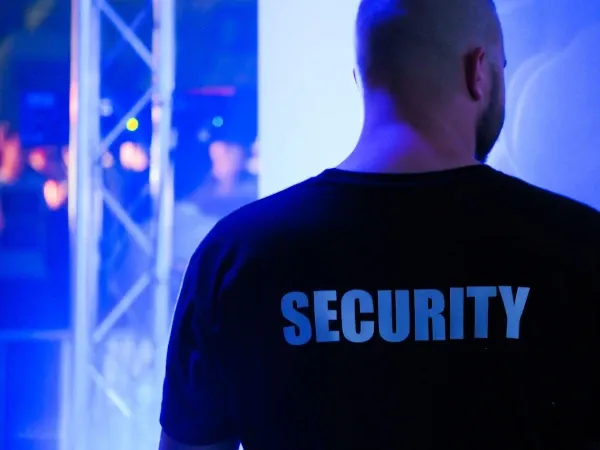
Find out how Martyn`s Law could affect different UK business sectors, venues and events, and how security screening can support protective security.
Martyn`s Law will introduce new requirements for many UK premises and events to improve preparedness for terrorist attacks and reduce the potential for physical harm.
But what does Martyn`s Law actually mean for different types of businesses, organisations and venues?
The answer is not the same for everyone. A local authority office, hospital, football stadium, shopping centre, school, hotel or temporary outdoor event will have very different security considerations.
The Terrorism (Protection of Premises) Act 2025, commonly known as Martyn`s Law, is expected to come into force in spring 2027. The legislation is intended to ensure that qualifying premises and events have appropriate procedures and, for enhanced-tier premises and qualifying events, appropriate measures to reduce vulnerability to terrorism.
This means organisations should not simply ask, “Do we need to buy security equipment?”
Instead, they should be asking:
- Does Martyn`s Law apply to our premises or events?
- Which tier are we likely to fall into?
- What are the particular risks associated with our type of premises?
- How do people enter, move around and leave the site?
- What security procedures do we already have?
- Could additional measures such as searching or metal detection form part of a proportionate security strategy?
- Are our staff, contractors and event personnel prepared to implement those procedures effectively?
This guide looks at some of the key sectors and venues that may need to consider these questions.
What is Martyn`s Law?
We’ve previously talked about Martyn’s law in these blog posts:
- Martyn`s Law Questions Answered
- Martyn`s Law: A Practical Guide for Schools and Colleges
- Martyn`s Law Readiness: A Practical Guide for UK Venues
Martyn`s Law is the commonly used name for the Terrorism (Protection of Premises) Act 2025. The legislation applies to certain premises and events based on factors including their use, capacity and how they operate.
Under current government guidance, qualifying premises generally need to be capable of accommodating 200 or more people at the same time, subject to the detailed requirements and exclusions in the legislation.

Premises with capacity for 200–799 people will generally fall within the standard tier, while premises where 800 or more people may reasonably be expected to be present will generally fall within the enhanced tier. Certain premises, including childcare, primary and secondary education, further education and places of worship, have special arrangements and remain within the standard tier even where 800 or more people may be present.
Qualifying events can also fall within the enhanced tier where the relevant criteria are met.
Importantly, Martyn`s Law does not prescribe a single security solution that every organisation must install. The government guidance emphasises that measures should be appropriate to the circumstances and reasonably practicable, taking account of factors such as the nature of the premises, available resources and the particular risks involved.
This makes a sector-specific approach particularly important.
Martyn`s Law and Local Authorities
Local authorities have a particularly diverse range of premises and activities to consider.
Councils may be responsible for offices, libraries, museums, leisure centres, theatres, visitor attractions, public halls and other facilities that could potentially fall within the scope of the legislation.
A local authority may therefore need to consider Martyn’s Law across multiple buildings, departments, venues and activities, rather than treating it as a single site-security exercise.
What should local authorities be thinking about?
A sensible review for local authorities could reasonably include:
- Which council-owned or operated premises are potentially in scope?
- Which premises are standard or enhanced tier?
- How are members of the public entering each facility?
- Are there multiple entrances or uncontrolled access points?
- Are certain facilities used for large public events?
- What arrangements exist for identifying suspicious behaviour or restricted items?
- How would evacuation, invacuation, lockdown and communication procedures work?
- Could existing CCTV, access control, searching or screening arrangements be improved?
For larger public buildings and busy venues, movement is one of the four areas specifically identified as a public protection measure for enhanced-tier premises and qualifying events. Monitoring, physical security and information security are the other three.
This makes the way people enter and move through council facilities and properties an important consideration.
For some venues, appropriately implemented security screening may form part of the overall strategy.
Martyn`s Law and Healthcare Facilities
Hospitals, healthcare centres and other healthcare facilities can present complex security challenges.
They may have:
- Large numbers of patients and visitors
- Staff entering through separate entrances
- 24-hour operation
- Emergency departments
- Restricted clinical areas
- Public reception areas
- Valuable or sensitive equipment
- Multiple buildings and access routes.
Security procedures must also be balanced against the need to provide accessible and timely healthcare. For this reason, a hospital cannot simply apply the same screening arrangements as a concert venue.

What should healthcare facilities consider?
A comprehensive review for healthcare facilities could look at:
- Access points: Which entrances are open to the public and when?
- Visitor movement: Can visitors move freely into areas where they do not need to be?
- Restricted items: Are there particular items or behaviours that should trigger additional scrutiny?
- Emergency procedures: How would staff respond to a suspected terrorist incident?
- Staff awareness: Do employees, contractors and volunteers understand their role?
- Screening options: Could searching or metal detection be appropriate at particular entrances, departments or events?
The appropriate solution will vary considerably between healthcare environments. Government guidance specifically stresses that Martyn’s Law should not result in a one-size-fits-all approach.
Martyn`s Law and Sports Venues
Football grounds, rugby stadiums, athletics facilities, racecourses and other sports venues regularly bring large numbers of people together.
The combination of:
- Large crowds
- Controlled entry
- Queuing
- Ticket checks
- Multiple entrances
- Spectator areas
- Hospitality facilities
- Temporary events
...can make crowd movement and entry procedures particularly important security considerations.
For enhanced-tier premises, government guidance identifies movement as one of the areas where protective measures may need to be considered. It also gives examples of measures relating to suspicious or restricted items, including bag-check policies.
Security screening at sports grounds
Depending on the venue`s risk assessment and existing arrangements, security screening can potentially form part of a layered approach.
For example:
- Walkthrough metal detectors can provide a rapid screening option at suitable entrances where high visitor throughput needs to be maintained.
- Handheld metal detectors can provide a more flexible secondary screening option or be used where a more targeted check is appropriate.
- Random search selectors can help support a structured and consistent approach to randomised screening where such procedures form part of a venue`s security policy.
The equipment itself is only one part of the solution. Clear procedures, appropriately trained personnel and effective communication are equally important.
Martyn`s Law and Events
Events deserve particular attention because an organisation can potentially operate a qualifying event even where its normal premises operate differently at other times.
Examples could include:
- Concerts
- Festivals
- Firework displays
- Fêtes
- Public celebrations
- Large sporting events
- Seasonal events
- Charity events
- Temporary exhibitions
- Outdoor entertainment.
Under current government guidance, a qualifying event is generally one that is accessible to the public, involves entry checks, expects 800 or more people to be present at the same time and meets the other conditions specified by the Act.

Event organisers need to think beyond the venue itself. A sensible event security assessment could sensibly consider:
- Where people enter the event
- How tickets or passes are checked
- Queuing arrangements
- Bag-search procedures
- Prohibited or restricted items
- Vehicle access
- Emergency exits
- Staff and contractor access
- Crowd movement
- Security staffing
- Communications
- Evacuation and invacuation procedures.
For events with large numbers of attendees, screening equipment may be appropriate as part of the overall protective-security arrangements.
Because temporary events can have different layouts, capacities and operating procedures, security equipment may also need to be sufficiently flexible to cope with different circumstances.
Martyn`s Law and Retail Premises
Large shops, shopping centres and retail environments can also fall within the scope of Martyn’s Law.
Shopping environments present a distinctive challenge because they are designed for relatively open public access and continuous throughput of visitors.
Potential considerations include:
- Main entrances
- Service entrances
- Delivery areas
- Customer queues
- Shopping-centre interfaces
- Staff-only areas
- Security control rooms
- Public events or promotions.
For larger retail premises, organisations may wish to consider how they identify suspicious behaviour or restricted items without creating unnecessary disruption for customers.
Where appropriate, handheld or walkthrough metal detection could potentially form part of a broader security strategy.
For some retail environments, targeted or randomised searching may also be considered where supported by the organisation`s risk assessment and procedures.
Martyn`s Law and Hospitality: Hotels, Pubs, Restaurants and Leisure Venues
Hospitality businesses vary enormously in size and operation. A small restaurant presents a very different security environment from a large hotel, nightclub or entertainment complex.
The legislation`s application therefore needs to be considered on a premises-by-premises basis.
Larger hospitality and leisure venues may need to think about:
- Main public entrances
- Guest access
- Night-time security
- Queuing
- Large private functions
- Events
- Multiple access points
- Staff-only areas
- Security personnel
- Bag-search policies
- Suspicious-item procedures.
For venues that regularly host large events, the security arrangements used during an event may be significantly different from those used during normal trading. This is another reason why security planning should consider how the premises is actually used, rather than simply its normal day-to-day operation.
Martyn`s Law and Entertainment Venues
Theatres, cinemas, concert venues, nightclubs and other entertainment facilities can bring large numbers of people together within a confined environment.
They may have:
- Ticketed entrances
- Queues
- Bag policies
- Security staff
- Multiple public entrances
- Restricted backstage areas
- Large audience areas
- Regular temporary events.
Security screening may therefore be one of several measures worth considering as part of a wider protective-security assessment.
For example, a venue could consider whether:
- Walkthrough metal detectors are appropriate at main entrances where large numbers of people need to be screened efficiently.
- Handheld metal detectors could be useful for secondary screening or targeted bag checks.
- Random search selectors could support a randomised search policy where random screening forms part of the venue`s established procedures.
The objective should not be to introduce equipment simply because it is available. The objective is to determine whether a particular measure provides a proportionate way of reducing an identified vulnerability.
Martyn`s Law and Visitor Attractions
Museums, galleries, zoos, theme parks and other visitor attractions can have complicated visitor flows and large numbers of people moving through a site. Some attractions also combine indoor buildings with extensive outdoor areas.
This can make security planning particularly complex and challenging.
Operators should sensibly consider:
- Ticketing and entry points
- Visitor screening
- Staff and contractor access
- Bag policies
- Crowd movement
- Restricted areas
- Emergency communication
- Evacuation and invacuation
- Large temporary events
- Seasonal changes in visitor numbers.
The government`s guidance specifically recognises visitor attractions among the categories of premises covered by the Act.
For larger attractions, security screening may form one component of a layered approach to protecting visitors and staff.
Martyn`s Law and Schools, Colleges and Educational Premises
Schools and other educational establishments have already received considerable attention in discussions surrounding Martyn`s Law.
The legislation contains special provisions for childcare, primary and secondary education and further education. Where qualifying criteria are met, these premises remain within the standard tier even where 800 or more people may reasonably be expected to be present.
That does not mean security planning can be ignored.
Educational establishments need to consider:
- Visitor management
- Access control
- Staff awareness
- Lockdown procedures
- Communication
- Emergency response
- Contractor access
- Large school or college events.
Where appropriate, additional screening arrangements may be relevant to particular events or circumstances, but the security approach should reflect the nature of the educational environment.
Martyn`s Law and Places of Worship
Places of worship are another category subject to special consideration under Martyn`s Law. Security requirements can be particularly challenging because many places of worship aim to remain welcoming and accessible to their communities.
Nevertheless, responsible organisations should consider how people enter and move around the premises and how staff and volunteers would respond to a suspected incident.
For larger congregations or special events, additional security measures may warrant consideration.
Again, the question is not whether every place of worship should introduce metal detection. Rather, it is whether particular protective measures are appropriate and reasonably practicable for the circumstances.
Should Businesses Use Metal Detectors for Martyn`s Law?
Not necessarily. Martyn`s Law does not require every organisation to install metal detectors.
This is an important distinction.
The legislation requires qualifying premises and events to have appropriate public protection procedures, while enhanced-tier premises and qualifying events have additional requirements relating to public protection measures. The government guidance gives examples of measures that may include people, processes and physical measures.
Security screening may therefore be appropriate for some organisations but unnecessary or disproportionate for others.
A risk assessment might identify circumstances where screening for concealed metal objects could help reduce a particular vulnerability.
Where that is the case, there are several options.
Handheld Metal Detectors
Handheld metal detectors offer a flexible approach to security screening.

They can be used for secondary screening following an initial alarm from a walkthrough device. They are also a practical option for targeted searches or in situations where installing a permanent walkthrough system would not be appropriate.
They can also be useful for temporary events because they are portable and relatively straightforward to deploy and use.
View our range of handheld metal detectors for security screening applications.
Walkthrough Metal Detectors
Walkthrough metal detectors can provide a more systematic screening process at suitable entrances.

They can be particularly relevant to busy venues where large numbers of people need to pass through an established screening point.
Potential applications include:
- Sports grounds
- Entertainment venues
- Large events
- Visitor attractions
- Public buildings
- Other high-footfall premises.
The appropriate specification will depend on the environment, expected throughput and security requirements.
Explore our walkthrough metal detector range.
Random Search Selectors
Random screening can form part of a wider security policy where appropriate.

A random search selector can help security personnel implement a consistent and visibly randomised selection process rather than relying on subjective decisions about who should be searched.
This can be particularly useful at venues and events where security screening is already part of the operating procedure.
See our random search selectors and security screening equipment.
Security Equipment Is Only One Part of the Solution
It is important not to view Martyn`s Law compliance simply as a question of purchasing security equipment.
For enhanced-tier premises and qualifying events, government guidance describes four broad categories of public protection measures:
- Monitoring
- Movement
- Physical security
- Security of information.
Alongside these measures, qualifying premises and events need appropriate procedures covering:
- Evacuation
- Invacuation
- Lockdown
- Communication.
Security equipment can support some of these measures, but it cannot replace effective policies, procedures, staff awareness and appropriate training.
The Home Office guidance also makes it clear that the legislation is intended to encourage proportionate and context-specific measures, rather than a one-size-fits-all approach.
How Should Your Organisation Prepare for Martyn`s Law?
If your organisation may be affected, now is a useful time to review your existing security arrangements.
- Establish whether your premises or events are in scope.
Consider the use of the premises, the number of people who may reasonably be expected to be present and whether any exclusions or special provisions apply. - Determine which tier applies.
The distinction between standard and enhanced tier is important because the requirements are different. - Review how people enter and move around your premises.
Identify public entrances, staff entrances, delivery points, queues, bottlenecks and areas where access is restricted. - Review existing security procedures.
Look at evacuation, invacuation, lockdown and communication arrangements. - Consider vulnerabilities.
Ask what could make the premises or event vulnerable to an act of terrorism and what reasonable steps could reduce that vulnerability. - Consider security screening where appropriate.
Could bag searching, random searches, handheld metal detection or walkthrough metal detection form part of a proportionate security strategy? - Make sure staff know what to do.
Security procedures are only useful if the people expected to implement them understand their responsibilities. - Document your approach.
For enhanced-tier premises and qualifying events, the responsible person will need to document their public protection procedures and measures and assess how they reduce risk and vulnerability.
Preparing for Martyn`s Law: Think Sector, Site and Situation
There is no universal Martyn’s Law security solution. A local authority, hospital, football stadium, school, hotel and temporary festival may all face very different security challenges.
The most useful starting point is therefore to understand:
What are we trying to protect, how do people use the premises, where are the vulnerabilities and what measures are reasonably practicable to address them?
For some organisations, that may involve relatively simple procedural improvements.
For others, particularly larger or higher-footfall premises and events, it may involve a combination of personnel, policies, access control, surveillance, physical security and security screening.
Where metal detection forms part of that strategy, handheld metal detectors, walkthrough metal detectors and random search selectors can provide practical tools for implementing appropriate screening procedures.
Insight Security supplies a range of security and protective equipment for businesses, public-sector organisations, venues and event operators.
Frequently Asked Questions - Martyn`s Law
Does Martyn’s Law require businesses to use metal detectors?
No. Martyn`s Law does not impose a blanket requirement for businesses or venues to install metal detectors. The measures required will depend on the circumstances of the qualifying premises or event and what is appropriate and reasonably practicable. Security screening may form part of a wider protective-security strategy where a risk assessment identifies a relevant need.
Which businesses are affected by Martyn`s Law?
The legislation covers specified categories of premises, including shops, food and drink premises, entertainment and leisure facilities, sports grounds, libraries, museums and galleries, halls, visitor attractions, hotels and places of worship, subject to the detailed qualifying criteria.
Are events covered by Martyn`s Law?
Yes. Certain publicly accessible events involving entry checks and where 800 or more people are reasonably expected to be present at the same time can fall within the enhanced tier, subject to the other conditions in the legislation.
When will Martyn`s Law come into force?
The Terrorism (Protection of Premises) Act 2025 has received Royal Assent, but its substantive requirements have not yet come into force. The SIA currently expects the legislation to come into force in spring 2027, with the exact date to be confirmed.
What is the difference between standard and enhanced tier?
Standard-tier premises are generally those where between 200 and 799 people may reasonably be expected to be present at the same time. Enhanced-tier premises generally have 800 or more people reasonably expected to be present at the same time. Enhanced-tier premises and qualifying events have additional requirements relating to public protection measures and documentation. Certain educational, childcare and religious premises are subject to special provisions.
Can handheld metal detectors help with Martyn`s Law?
Potentially. Handheld metal detectors can provide a flexible method of screening people for concealed metal objects. Depending on the circumstances, they may be used for secondary screening, targeted checks or temporary events. Whether they are appropriate should be determined as part of the organisation`s wider security assessment.
Are walkthrough metal detectors suitable for large venues?
Walkthrough metal detectors can provide a systematic screening solution at suitable entrances and may be particularly useful where large numbers of people need to be screened. Their suitability depends on factors including the venue layout, visitor flow, security procedures and the nature of the identified risks.
What is a random search selector?
A random search selector is a security screening device designed to help security personnel select individuals for random searches. Where random searching forms part of an organisation`s security procedures, such equipment can help make the selection process consistent and visibly impartial.
Does buying security equipment make a business compliant with Martyn`s Law?
No. Purchasing security equipment alone does not demonstrate compliance. Organisations need to consider their relevant legal obligations, procedures, measures, vulnerabilities and how their overall approach reduces risk. For enhanced-tier premises and qualifying events, documentation and assessment of the measures in place will also be required.
If you have any questions about security screening, or other security needs, remember we are here to help. Give us a call on 01273 092921 and we’ll provide you with free, expert advice.
For more information on Martyn’s Law: What Does It Mean for Different Business Sectors and Venues? talk to Insight Security