 Get Listed

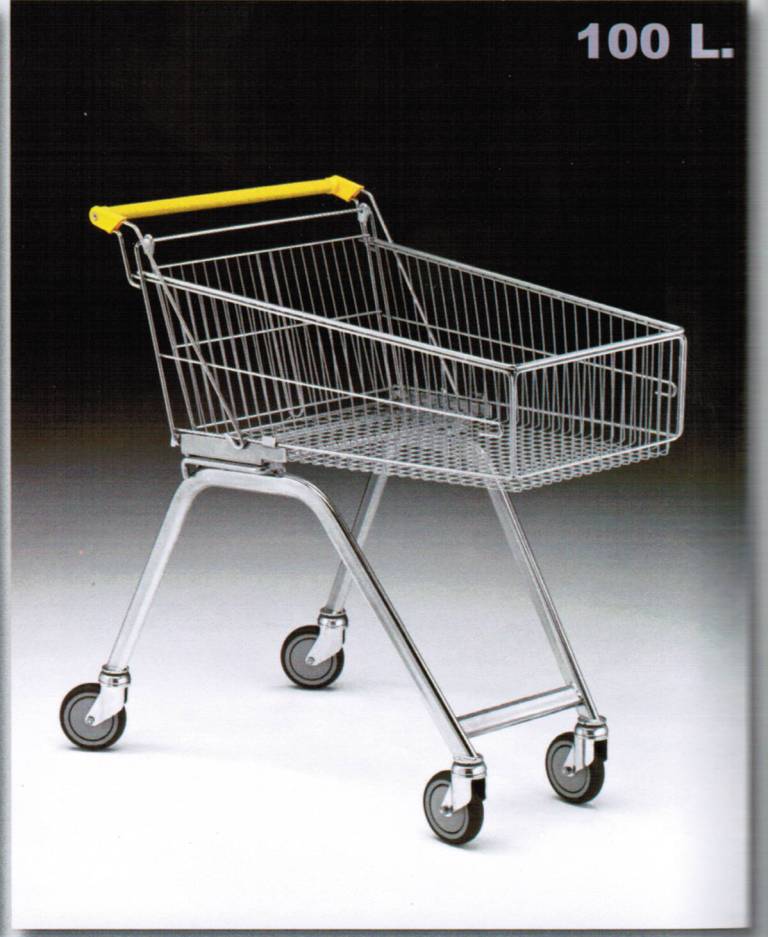
Selecting garden centre trolleys involves more than choosing a carrying capacity. Haysdale's guide considers how the products being sold, the surfaces customers cross and the layout of the site should influence the fleet. Matching these factors can make bulky purchases easier to move while helping staff manage busy trading periods.
Begin with the customer's load
A planteria handles a different mixture of purchases from a conventional indoor shop. Customers may collect bedding plants, compost, shrubs and large pots during the same visit. Delicate plants need protection from heavier goods, while smaller purchases need somewhere they can remain accessible and organised.
Low, open platforms can provide useful space for bulky products. Basket and multi-tier designs offer a different way to carry mixed purchases. The choice should reflect what customers actually move, including the areas selling the heaviest or most awkward items and the distance to the checkout and collection point.
Haysdale's garden centre range includes designs for horticultural retail environments. The guide recommends reviewing individual specifications rather than treating every trolley in the range as suitable for every task.
Balance capacity with manoeuvrability
A larger load area may support a substantial shopping trip, but additional capacity is useful only if the trolley remains manageable. Width, turning space and the likely load all affect how it behaves through aisles, doorways and checkout areas.
A broad platform that works well in an open outdoor sales area may be awkward among tightly arranged indoor displays. Site measurements should therefore be considered alongside carrying requirements before an order is placed.
A mixed fleet can provide a practical answer. Customers buying a few plants can select a smaller option, while those collecting compost, pots or shrubs can choose a trolley intended for a bulkier load. This avoids expecting one format to serve every part of the business equally well.
Match the wheels to the route
Garden centres can combine smooth floors, concrete, paving and less even outdoor areas. Wheel specification is therefore an important part of selection, particularly where a loaded trolley needs to move between different surfaces during one visit.
The appropriate choice depends on the trolley, the weight being carried and the ground it will encounter. Haysdale encourages customers to check wheel options and load ratings for the individual model rather than make assumptions from its appearance.
The whole shopping route matters. A trolley should not be assessed only where it is collected; it also needs to work at narrow access points, in covered planterias, at the checkout and on the way to the customer's vehicle.
Consider specialist and two-tier designs
Separating items across tiers can help keep delicate plants away from heavier purchases. Specialist formats may also suit a route that crosses indoor retail, covered plant displays and outdoor areas.
The guide recommends looking across the broader shopping trolley and specialist ranges when planning a fleet. A combination of formats may provide a better fit than simply increasing the number of one familiar design.
Prepare for the busiest periods
Average footfall does not show the full requirement. Spring weekends, promotions and other seasonal peaks can quickly expose a shortage of suitable trolleys. The plan should include collection points and how staff will return trolleys to the entrances during busy periods.
Parking and storage arrangements also need attention. Efficiently parked or nesting designs can reduce congestion when some of the fleet is not in use. Storage space should be considered before purchase, rather than after new equipment arrives.
Haysdale's checklist covers typical product dimensions and weight, floor surfaces, access widths, carrying capacity, steering, parking, seasonal demand and accessibility needs. Overall dimensions, finish and wheel specification should all be confirmed for the intended site.
There is no single best trolley for every garden centre. The guide's emphasis is on matching equipment to the real shopping journey and checking the details of each model. Haysdale can discuss the available options with retailers planning a new fleet or reviewing an existing one.
Source: Haysdale
For more information on Garden Centre Trolleys: How to Choose the Right Type for Your Customers talk to Haysdale