 Get Listed

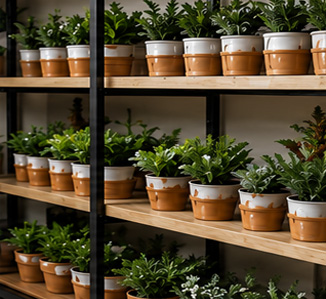
Healthy plant displays are essential for any successful garden centre, nursery or plant retail area. Customers are naturally drawn to plants that look fresh, well-watered and ready to take home, while tired, dry or unevenly watered stock can quickly affect both presentation and sales. Managing moisture across benches, tables and display areas can be challenging, especially during busy periods, warm weather or peak seasonal trading.
Capillary matting is a simple but highly effective way to support healthier plant displays. It helps distribute water more evenly across plant benches and allows pots to draw moisture from below as needed. For garden centres, this can help reduce watering pressure, improve plant condition and create a cleaner, more consistent retail environment.
At Haysdale, garden centres and growers can find a range of capillary matting and other fabrics designed for planteria, retail nursery and commercial plant display use. Choosing the right matting can make day-to-day watering more efficient while helping plants stay in better condition on display.
What Is Capillary Matting?
Capillary matting is a water-retaining fabric used beneath plant pots and trays. Once wetted, it holds moisture and allows plants to absorb water through the drainage holes at the base of their pots. This method encourages watering from below rather than relying only on overhead watering.
The fabric works by spreading moisture across the display surface. When plant pots sit on the matting, compost can draw water upward as needed. This helps keep plants more evenly hydrated, particularly when multiple pots are displayed together on benches, flood trays or houseplant tables.
For garden centres, capillary matting is especially useful because it supports consistent plant care across busy retail areas. Instead of watering each pot individually throughout the day, staff can maintain a moist display surface that helps plants access water more steadily.
Why Healthy Plant Displays Matter
Plant health has a direct impact on customer confidence. A bright, fresh and well-maintained display encourages shoppers to browse, pick up plants and make purchases. If plants appear wilted, dry or neglected, customers may assume the stock is poor quality, even if the issue is only temporary watering stress.
Healthy displays also help protect profit. Plants that dry out, become stressed or deteriorate on the bench may need to be reduced, removed or replaced. This can increase waste and reduce margins, particularly during peak trading seasons when plant turnover is high.
Capillary matting helps garden centres maintain better stock condition by supporting a more reliable watering system. When plants remain healthier for longer, they are more likely to sell at full value and create a stronger impression throughout the planteria.
How Capillary Matting Helps Even Water Distribution
One of the main advantages of capillary matting is even water distribution. In a busy garden centre, some plants can easily receive too much water while others remain too dry. This can happen when watering is rushed, when benches are crowded or when different staff members water in different ways.
Capillary matting helps reduce this inconsistency by spreading moisture across the display area. When installed correctly and kept suitably wet, it creates a more balanced watering surface for groups of plants.
This is particularly helpful for displays with many smaller pots, bedding plants, houseplants or mixed stock. Rather than relying only on manual watering from above, plants can draw moisture from below as required.
Reducing Water Waste in the Planteria
Water waste is a concern for many garden centres, especially when maintaining large plant areas. Overhead watering can sometimes lead to water running through pots, pooling on benches or spilling onto paths. This can be inefficient and may also create slippery or messy areas for customers and staff.
Capillary matting can help reduce waste by holding water where plants can use it. Instead of water immediately draining away, the matting retains moisture and allows plants to access it gradually.
For garden centres looking to operate more efficiently, this can support better water management and help align with wider environmental goals. Haysdale also offers a wider watering and irrigation range for businesses looking to improve watering systems across their planteria.
Saving Staff Time During Busy Periods
Watering can take up a significant amount of staff time, particularly in spring and summer when plant displays are full and customer footfall is high. While careful watering will always be part of good plant retail, capillary matting can help make the process more efficient.
Because the matting helps plants access moisture from below, staff may spend less time trying to water every pot individually. This can free up more time for customer service, restocking, merchandising, plant care checks and general maintenance.
During peak trading periods, small efficiency improvements can make a big difference. A planteria that is easier to water and maintain is also easier to keep looking tidy, professional and customer-ready.
Helping Reduce Stock Losses
Stock losses can quickly affect profitability in plant retail. Plants that are not watered consistently may wilt, drop leaves, fail to flower properly or become less attractive to customers. In some cases, they may become unsellable.
Capillary matting helps reduce the risk of plants drying out between watering rounds. By maintaining a moist surface beneath the pots, it gives plants a more consistent water supply and helps reduce stress.
This is particularly valuable for delicate plants, fast-moving seasonal stock, houseplants and displays that sit in warm or exposed areas. While capillary matting does not replace good plant care, it provides a practical support system that can help keep stock in better condition.
Supporting Cleaner and Safer Retail Areas
Water management is not only about plant health. It also affects the appearance and safety of the retail area. Excess water on paths can create slip risks, encourage algae growth and make the planteria look less tidy.
By holding water within the display area, capillary matting can help reduce unnecessary run-off. This can make walkways cleaner and easier to maintain, especially when used alongside suitable benching, trays and watering routines.
A cleaner planteria improves the customer experience. Shoppers are more likely to spend time browsing when displays look organised and pathways feel safe, dry and easy to navigate.
Two-Layer Capillary Matting
Two-layer capillary matting is commonly used for flood trays and lined houseplant tables. Haysdale’s VP2 2-Layer Professional Capillary Matting combines a synthetic water-holding layer with a Mypex-type top cover bonded together to form a single mat.
This type of matting is well suited to professional display areas where water retention, even coverage and ease of cleaning are important. It can support healthier displays while helping staff manage watering more efficiently.
For garden centres with houseplant tables or flood tray displays, two-layer matting can be a practical choice because it provides a reliable watering surface without overcomplicating the setup.
Three-Layer Capillary Matting
Three-layer capillary matting adds a further level of protection. Haysdale’s VP3 3-Layer Capillary Matting combines a synthetic water-holding layer, a Mypex-type top cover and a tough polythene backing.
The backing can be especially useful on timber benches because it helps protect the bench surface, prolong bench life and minimise watering issues. This makes three-layer matting a strong option for garden centres, growers and retail nurseries using timber benching.
Where displays need extra durability or where the bench structure needs added protection, three-layer matting may be the better choice.
Capillary Matting for Hexagonal Tables
Hexagonal plant tables are common in garden centres because they create attractive, accessible displays. However, cutting and fitting matting neatly around corners and table shapes can be time-consuming.
Haysdale’s VP3 Capillary Mat for Hexagonal Tables is cut to fit standard 121cm hexagonal timber benches, with sealed edges to minimise fraying and corner cut-outs to allow excess water to drain away.
This type of ready-shaped matting can help garden centres maintain professional-looking displays while reducing preparation time. It also supports more consistent watering across shaped bench areas.
Where Capillary Matting Works Best
Capillary matting is useful in many garden centre and nursery settings. It is especially effective where plants are displayed in pots or trays that can draw water from below.
Common uses include houseplant displays, bedding plant benches, greenhouse benches, flood trays, timber benches, propagation areas and retail nursery tables. It can also be useful in areas where staff need to maintain large numbers of plants efficiently.
The key is to match the matting to the display type. Two-layer matting may suit lined tables and trays, while three-layer options may be better for timber benches or areas that need additional protection.
Installation and Setup Considerations
Capillary matting works best when it is fitted properly. The surface should be clean, level and suitable for holding the matting securely. The matting should be cut neatly to size, with attention paid to drainage, edges and any areas where water may collect.
It is also important to check that pots make good contact with the matting. If pots are raised too far above the surface or have poor drainage holes, they may not draw water effectively. Plant trays and pot types should therefore be considered as part of the wider display setup.
Good installation helps the matting perform properly and creates a cleaner, more professional display for customers.
Cleaning and Maintenance
Like any planteria material, capillary matting should be maintained properly. Over time, plant debris, compost, algae or mineral deposits can build up on display surfaces. Regular cleaning helps keep the matting performing well and helps maintain a tidy retail environment.
Staff should remove dead leaves, spilled compost and damaged stock from display areas regularly. Periodic cleaning can help prevent hygiene issues and keep the planteria looking professional.
Maintenance also gives staff the chance to check whether matting is still sitting correctly, whether water is spreading evenly and whether any areas need replacing.
How Capillary Matting Supports Customer Experience
Customers may not notice the capillary matting itself, but they will notice the result. Well-watered plants look fresher, cleaner and more appealing. Displays feel more organised, and customers can shop with greater confidence.
Healthy plants also reduce the need for heavy discounting due to poor condition. When customers see consistent quality across the planteria, they are more likely to trust the retailer and return for future purchases.
Good plant care supports good retail presentation. Capillary matting is one of those behind-the-scenes tools that can make the entire plant area look better.
Using Capillary Matting Alongside Other Planteria Supplies
Capillary matting works best as part of a wider planteria system. Garden centres should also consider watering tools, benching, signage, plant labels, carry home packaging and customer flow around displays.
Haysdale’s planteria range includes products for capillary matting, signage, plant labelling, shrub and tree support systems, watering and irrigation, and other retail plant care needs.
For example, clear pricing and plant information can help customers understand what they are buying, while good packaging helps them carry plants home safely. You may also find it useful to read Pricing with Precision: Smarter Plant Labels That Drive Sales and From Plant Bench to Car Boot: Retail Packaging Solutions Every Garden Centre Needs.
Choosing the Right Capillary Matting
When choosing capillary matting, garden centres should consider where it will be used, what type of benching is in place, how much water retention is needed, how easy it needs to be to clean and whether the surface beneath the matting needs protection.
For lined houseplant tables and flood trays, a two-layer option may be suitable. For timber benches or areas where bench protection is important, a three-layer matting with polythene backing may offer additional benefits.
Size and width also matter. Choosing the right roll width can reduce waste, make installation easier and create a neater finish across benches and displays.
Final Thoughts
Capillary matting plays an important role in maintaining healthy, attractive and efficient plant displays. It helps distribute water evenly, reduces waste, saves staff time and supports better plant condition across the planteria.
For garden centres, growers and retail nurseries, the right matting can help protect stock, improve customer experience and make day-to-day plant care easier. Whether you need two-layer matting for flood trays, three-layer matting for timber benches or pre-cut options for hexagonal tables, investing in suitable capillary matting can make a noticeable difference to the quality and consistency of your plant displays.
Explore Haysdale’s capillary matting and other fabrics range today to find practical options for your garden centre, nursery or planteria display area.
For more information on Capillary Matting Explained: Why It Matters for Healthy Plant Displays talk to Haysdale