 Get Listed

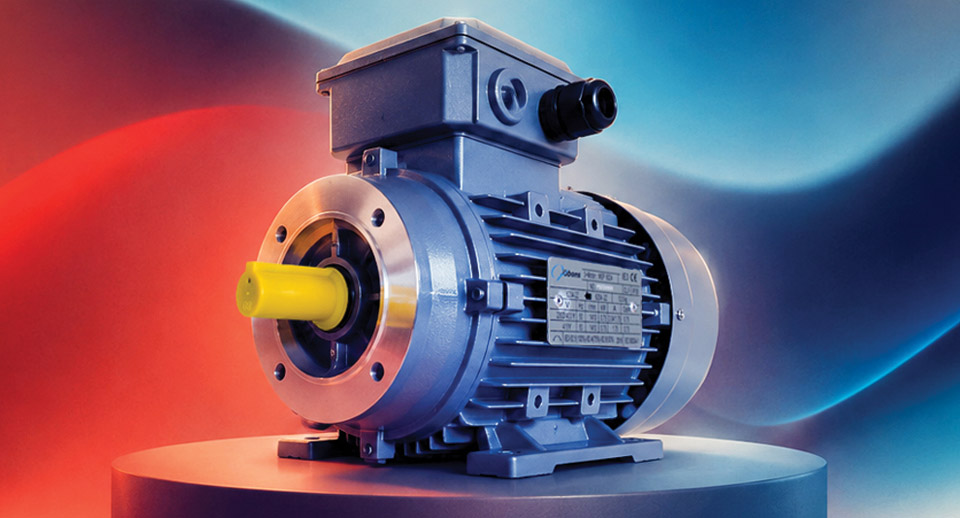
Gibbons Engineering Group has set out the information needed when selecting an industrial electric motor. Its guidance considers the load, speed, mounting, operating environment, duty cycle, electrical supply and wider driven equipment, rather than relying on a power rating alone.
Power, speed and mechanical fit
The required kilowatt rating should be matched to the actual load. Pumps, fans, conveyors and processing machines can have different starting and operating characteristics. An undersized motor can overheat or wear prematurely, while an unnecessarily oversized unit may increase purchase and operating costs.
The required speed must also suit the driven equipment. Where speed control is appropriate, a compatible variable speed drive can help match operation to process demand. The suitability of the motor and drive needs to be assessed together.
Physical fit is another essential part of a replacement specification. Frame size, foot or flange mounting, shaft diameter and length, mounting holes, overall dimensions and terminal-box position can all determine whether a motor fits the installation.
Environment and operating cycle
A motor in a dry plant room faces different conditions from one exposed to dust, chemicals, water or high-pressure cleaning. Gibbons recommends considering the required ingress protection and construction materials, including stainless steel options for appropriate washdown applications.
The duty rating must reflect how the machine operates. Continuous running, intermittent use and frequent starts create different thermal demands. Understanding the operating cycle is therefore as important as identifying the nominal power requirement.
Supply, starting and lifetime cost
The available voltage, phase and frequency need to be established, together with full-load current and starting requirements. Direct-on-line, star-delta and variable speed drive arrangements have different implications for the complete installation.
For equipment running for long periods, energy consumption can outweigh the initial purchase cost. Comparing efficiency, expected operating hours and lifecycle cost can therefore be more useful than comparing prices alone.
Use the existing specification as a starting point
A clear nameplate photograph can help a supplier identify the motor type, power, voltage, current, speed, frequency, efficiency, power factor, frame size and IP rating. However, Gibbons advises reviewing any changes in the equipment or its operating conditions rather than assuming the previous specification remains ideal.
The company supplies industrial and commercial electric motors and can help customers assess a replacement or new installation against the complete application.
Source: Gibbons Engineering Group
For more information on How to Choose the Right Electric Motor for Your Application talk to Gibbons Engineering Group Ltd