 Get Listed

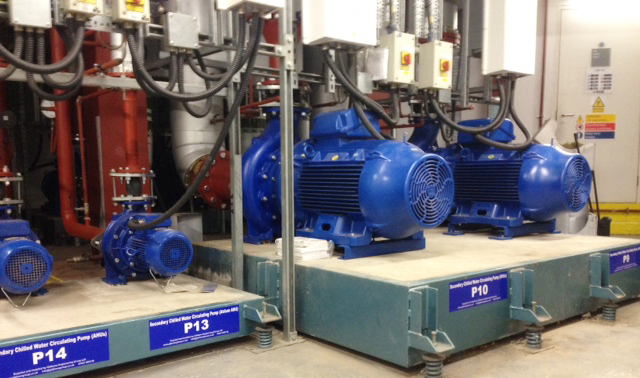
Gibbons Engineering Group has outlined warning signs that can indicate developing problems in industrial pumps. Changes in flow, pressure, noise, vibration, temperature and energy consumption can provide an opportunity to investigate equipment before a failure disrupts production or essential services.
Performance, noise and vibration
A reduction in flow or pressure can have several causes, including a restriction in the suction line, a blocked or damaged impeller, worn components, air entering the system or changes elsewhere in the installation. Gradual deterioration can be overlooked while the pump is still running, making comparison with normal performance useful.
New grinding, rattling, knocking or whining sounds can indicate bearing wear, mechanical damage or cavitation. Increased vibration can also be associated with misalignment, imbalance, damaged components, mounting problems or unsuitable hydraulic conditions. The underlying cause needs investigation because connected motors and drives may also be affected.
Cavitation, heat and leakage
Cavitation involves vapour bubbles forming and then collapsing as pressure changes inside a pump. Gibbons identifies crackling or gravel-like sounds, vibration and reduced performance as possible warning signs. Investigation needs to consider the wider system and suction conditions, rather than assume that replacing a pump component will resolve the cause.
Excessive temperature can be associated with restricted flow, bearing problems, friction, abnormal operation or motor issues. Leaks may indicate seal deterioration, damaged components, excessive pressure or another underlying fault. Both should be assessed in the context of the equipment and the fluid being handled.
Energy use and repeat failures
An increase in electricity consumption can accompany changing system resistance, wear, unsuitable selection or inefficient operating conditions. Reviewing pump operation together with motor and variable speed drive performance can help identify the reason for a change.
Repeated bearing, seal, overheating or electrical failures may indicate that the root cause has not been addressed. Replacing the same failed component can provide only a temporary improvement if the operating conditions remain unsuitable.
Planning maintenance and the next step
Routine inspections and condition monitoring can help maintenance teams identify changes and plan work. The appropriate response may be repair, replacement or an upgrade, depending on the pump’s condition, age, duty and associated controls.
Gibbons works with water, wastewater, industrial and commercial customers to assess, maintain, repair and replace pumping equipment. Its guidance encourages customers to investigate developing symptoms and consider the complete installation before deciding on a solution.
Source: Gibbons Engineering Group
For more information on Common Pump Problems: The Warning Signs You Shouldn’t Ignore talk to Gibbons Engineering Group Ltd