 Get Listed

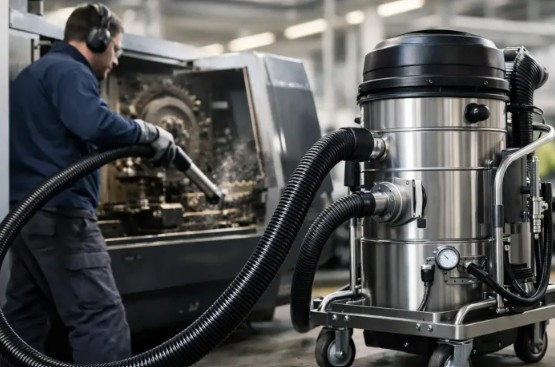
A machine tool stopped by compacted swarf, a production line affected by airborne dust, or a maintenance team handling coolant manually all create the same problem: lost productive time. Effective machinery cleaning vacuum solutions remove waste at source, protect people and equipment, and make routine maintenance a controlled part of operations rather than a reactive interruption.
The right system is rarely defined by suction power alone. Material type, collection volume, access around the machine, operating hours and site safety requirements all determine whether a vacuum will deliver lasting value. A unit that performs well on dry dust may be unsuitable for hot metal chips, while a general wet vacuum may not provide the separation needed to recover coolant for reuse.
Start with the Material, Not the Machine
The first question is not which vacuum model to buy. It is what the machine produces and where that material must go once collected. Machining environments can generate fine dust, coarse chips, long swarf, abrasive grit, oil, emulsions and mixed waste. Each behaves differently in a hose, filter and collection container.
Fine, dry powder needs effective filtration to prevent particles returning to the work area or loading the filter prematurely. Heavy metallic swarf calls for a durable collection arrangement and a practical method of emptying the hopper. Long, tangled chips can bridge across inlets and containers, so hose diameter and separator design deserve close attention. Where oil and coolant are present, liquid separation becomes central to the specification.
Mixed material is especially common around CNC machines, grinding cells and maintenance bays. In these cases, a vacuum with an integrated separator can separate solids from liquids, allowing swarf to be removed while coolant is recovered where process controls permit. This reduces waste volumes and can lessen the cost of replacement fluid. It also avoids the poor practice of trying to collect everything with equipment designed only for dry debris.
Machinery Cleaning Vacuum Solutions for Real Tasks
Portable industrial vacuums are often the most effective choice where cleaning takes place across several machines or during planned maintenance shifts. They allow operators to reach guards, enclosures, pits and inaccessible areas without moving machinery or relying on compressed-air blow-down. Used correctly, vacuum cleaning captures contamination rather than spreading it across the shop floor.
For recurring tasks at fixed locations, a centralised vacuum system may be the better long-term option. Pipework can serve multiple pickup points, with a central collection and filtration unit positioned away from the production area. This approach reduces the need to move equipment between departments and gives teams immediate access to cleaning capability at the point of use. It is particularly useful where clean-down is required several times per shift.
Pneumatic conveying systems serve a different but related role. Where recovered material must travel further, be transferred to a bulk container, or feed into a recovery process, a designed conveying system can manage the movement safely and consistently. The right choice depends on whether the priority is housekeeping, material recovery, continuous extraction or a combination of these requirements.
Dry dust and powder
Dust created by cutting, grinding, sanding or handling bulk materials can affect product quality, worker exposure and the reliability of electrical and mechanical components. A suitable industrial vacuum needs the correct filter area, filter media and cleaning method for the dust load. Fine filters without enough surface area may perform initially but demand frequent attention as pressure loss increases.
Consider whether the material is non-hazardous, harmful to health or potentially combustible. The answer influences filtration, containment and the wider risk assessment. Never assume that a standard industrial vacuum is appropriate for combustible dust simply because it is used in a metalworking or manufacturing setting.
Swarf, chips and abrasive waste
Metal swarf is valuable in some operations, but it is also sharp, heavy and difficult to handle. An industrial vacuum designed for chips can remove material from machine beds, sumps, floor channels and around guards with less direct contact from operators. Large-bore accessories and chip-resistant hoses help prevent blockages and reduce wear.
Emptying is as important as collection. A removable container, discharge valve or forklift-compatible hopper may be appropriate depending on the volume generated. If an operator has to repeatedly lift heavy waste containers by hand, the cleaning process will become slower and less safe regardless of the vacuum’s performance.
Coolant, oil and mixed liquids
Coolant management presents a more complex requirement than simply extracting a spill. Machine sumps accumulate swarf, sludge and tramp oil, all of which can reduce coolant performance and create odour, bacterial growth and poor surface finish. A liquid and swarf vacuum can remove contaminated coolant, retain solids and support the return of filtered fluid where suitable.
The practical benefit is reduced downtime during sump cleaning. Instead of draining a machine, shovelling out chips and refilling from scratch, maintenance teams can remove contamination in a more controlled process. The exact arrangement should reflect coolant chemistry, waste handling procedures and whether recovered liquid can be reused under site quality standards.
Safety Must Be Designed Into the Specification
Industrial cleaning is part of a site’s safety system. Dust on walkways, oil around machines and accumulated waste inside equipment all increase the likelihood of slips, fire risks, poor air quality and unplanned breakdowns. Vacuum equipment should make the safe method the easiest method for operators to follow.
Where explosive atmospheres or combustible dust may be present, ATEX requirements require careful assessment. The zone classification, material characteristics, ignition risks, earthing arrangements and equipment certification must be considered together. An ATEX-certified vacuum is not a universal answer in isolation; it must be correctly selected for the hazardous area and the substance being collected.
Noise, manoeuvrability and operator handling also matter. A powerful unit that is difficult to move through a busy factory will be left unused. Equally, an undersized machine can force repeated emptying, reduce collection efficiency and create frustration for maintenance teams. The best specification balances performance with the realities of the working environment.
Build Cleaning Into Production Planning
The most effective sites treat machinery cleaning as preventative maintenance, not an afterthought. A scheduled process helps identify leaks, excessive chip build-up, damaged guards and poor extraction before they develop into larger issues. It also provides a clearer picture of waste volumes and the true demands placed on cleaning equipment.
For smaller operations, this may mean assigning a portable vacuum to each maintenance area and defining clean-down routines at shift change. Larger facilities may benefit from fixed pickup points, central vacuum infrastructure and dedicated recovery systems for high-volume material. Neither arrangement is automatically better. The operational pattern should lead the decision.
When assessing requirements, record the material collected, approximate volume per shift, distance from the machine to disposal point, access restrictions and required frequency of use. Include the consequences of a blocked hose, full container or filter change. These details turn a broad request for a vacuum into a system specification that can be engineered around the site.
Consider Whole-Life Cost, Not Purchase Price
A low initial price can be misleading in a demanding industrial setting. If equipment lacks capacity, wears quickly or requires excessive intervention, the real cost appears through lost maintenance hours and reduced machine availability. Consumables, filter access, container handling, service support and expected duty cycle all influence the long-term calculation.
Forvac Industrial specifies portable and fixed industrial vacuum systems around the application, including dry, wet and ATEX-capable requirements. This can include installation planning and commercial options that align capital expenditure with operational needs. The aim is not to add complexity, but to provide equipment that is suited to the material, environment and cleaning routine from the outset.
A well-chosen vacuum solution should make the next clean-down quicker than the last, while keeping waste contained and machinery ready for productive work. Start with the material and the task, then specify the system that gives operators a safe, repeatable way to keep the plant running.
For more information on Machinery Cleaning Vacuum Solutions That Work talk to Forvac Industrial