 Get Listed

Can NDT Prevent Equipment Failure?
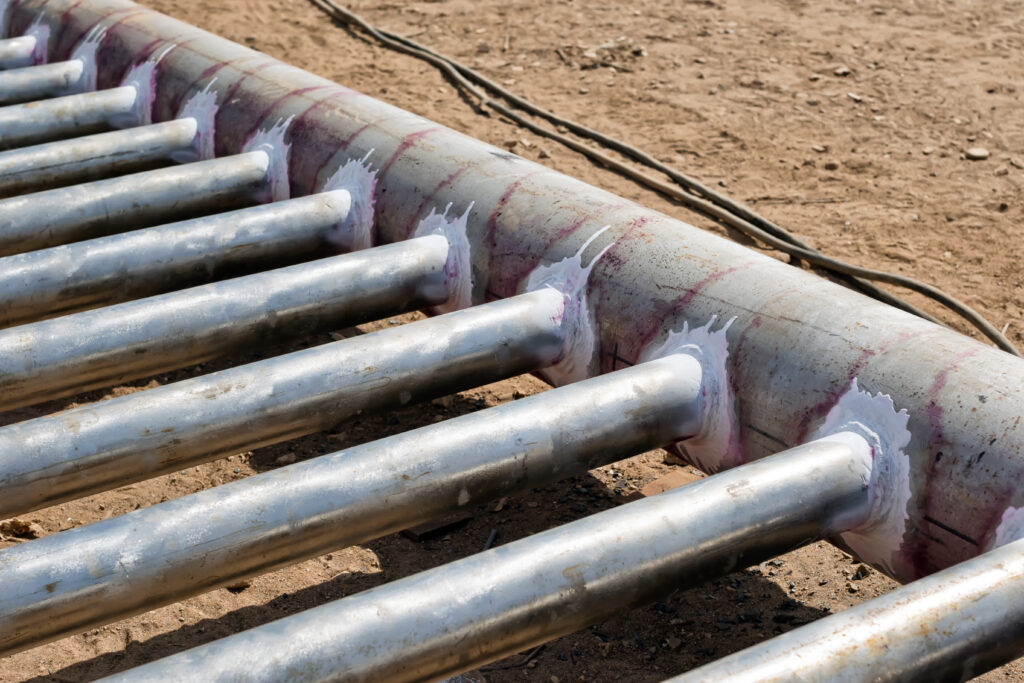
In industries where equipment reliability is critical, the question of whether Non-Destructive Testing can prevent equipment failure is both relevant and important. From manufacturing and construction to oil and gas and energy, the ability to detect issues before they escalate is essential for maintaining safe and efficient operations. At Format NDT, we work closely with businesses across the UK to provide inspection services that not only identify defects but also support long-term asset performance and risk management.
Across the country, organisations are increasingly recognising the value of proactive inspection strategies. Whether it involves routine maintenance or specialised assessments such as a weld test procedure in Manchester, businesses are seeking ways to minimise risk and avoid unexpected breakdowns. In our experience, NDT plays a central role in this process, offering a reliable method of identifying weaknesses before they develop into failures.
Understanding Equipment Failure in Industrial Settings
Equipment failure rarely occurs without warning. In most cases, it is the result of gradual deterioration, material fatigue, corrosion, or manufacturing defects that worsen over time. These issues can remain undetected until they reach a critical point, at which stage the consequences can be severe.
Failures can lead to operational downtime, costly repairs, safety hazards, and in some cases, environmental damage. In high-risk industries, the stakes are even higher, making prevention a top priority. Understanding the root causes of failure is the first step in addressing the problem effectively.
At Format NDT, we often emphasise that failure is not usually a sudden event but the end result of a process. Identifying that process early is where NDT becomes invaluable.
The Role of NDT in Detecting Early-Stage Defects
Non-Destructive Testing is specifically designed to identify defects at an early stage, long before they become visible or cause functional issues. Techniques such as ultrasonic testing, radiographic inspection, and magnetic particle testing allow inspectors to examine both surface and internal structures in detail.
By detecting cracks, voids, inclusions, and areas of corrosion early, NDT provides an opportunity to intervene before these defects compromise the integrity of the equipment. This early detection is one of the most significant ways in which NDT contributes to preventing failure.
From our perspective at Format NDT, the ability to see what cannot be seen with the naked eye is what makes NDT such a powerful tool in modern industry.
Preventing Failure Through Proactive Maintenance
One of the key ways NDT helps prevent equipment failure is by supporting proactive maintenance strategies. Rather than waiting for problems to arise, businesses can use NDT to monitor the condition of their assets and plan maintenance activities accordingly.
This approach, often referred to as predictive maintenance, relies on accurate data to determine when intervention is necessary. NDT provides this data, enabling operators to address issues at the most appropriate time.
In our experience, companies that adopt proactive maintenance strategies benefit from improved reliability, reduced downtime, and lower overall costs. NDT becomes a cornerstone of this approach, providing the insights needed to make informed decisions.
Identifying Material Degradation and Corrosion
Material degradation is one of the leading causes of equipment failure, particularly in environments where components are exposed to harsh conditions. Corrosion, erosion, and fatigue can all weaken materials over time, reducing their ability to perform as intended.
NDT techniques such as ultrasonic thickness measurement and eddy current testing allow inspectors to monitor these changes with precision. By tracking material loss and identifying areas of concern, NDT helps ensure that corrective action can be taken before failure occurs.
At Format NDT, we regularly support clients in managing corrosion-related risks, helping them extend the lifespan of their assets and maintain safe operations.
Ensuring the Integrity of Welds and Joints
Welds and joints are often critical points in any structure or piece of equipment. If a weld fails, the consequences can be significant, particularly in high-pressure or load-bearing applications.
NDT plays a crucial role in assessing the quality and integrity of welds. Techniques such as radiographic testing and ultrasonic inspection can reveal defects such as cracks, lack of fusion, or porosity that may not be visible on the surface.
By ensuring that welds meet required standards, NDT reduces the likelihood of failure at these critical points. At Format NDT, we place a strong emphasis on weld inspection as part of our comprehensive approach to asset integrity.
Reducing the Risk of Unexpected Downtime
Unexpected equipment failure can disrupt operations, delay projects, and result in significant financial losses. In industries where downtime is particularly costly, preventing these disruptions is a key priority.
NDT helps reduce the risk of unexpected downtime by identifying potential issues before they lead to failure. This allows businesses to schedule maintenance and repairs in a controlled and planned manner, rather than reacting to emergencies.
From our perspective, the ability to move from reactive to proactive maintenance is one of the greatest advantages of NDT. It allows organisations to maintain control over their operations and avoid unnecessary disruptions.
Supporting Compliance and Safety Standards
In many industries, preventing equipment failure is not just a matter of efficiency but a regulatory requirement. Safety standards and industry regulations often mandate regular inspections to ensure that equipment remains fit for purpose.
NDT provides the means to meet these requirements, offering documented evidence of inspections and their findings. This not only supports compliance but also enhances overall safety.
At Format NDT, we ensure that all our inspections are carried out in accordance with UK regulations and industry standards. This commitment to quality and compliance is central to the services we provide.
The Limitations of NDT in Preventing Failure
While NDT is a powerful tool, it is important to recognise that it does not eliminate risk entirely. No inspection method can guarantee that failure will never occur. However, NDT significantly reduces the likelihood by identifying and addressing issues early.
The effectiveness of NDT depends on several factors, including the choice of inspection method, the skill of the technician, and the frequency of inspections. When these elements are properly managed, NDT becomes an extremely effective means of preventing failure.
At Format NDT, we are transparent about the capabilities and limitations of NDT, ensuring that our clients have a clear understanding of what can be achieved.
The Importance of Skilled Technicians
The success of any NDT programme depends heavily on the expertise of the technicians carrying out the inspections. Skilled professionals are able to interpret results accurately and identify potential issues that may not be immediately obvious.
In the UK, NDT technicians undergo rigorous training and certification to ensure they meet industry standards. At Format NDT, we invest in continuous development, ensuring that our team remains highly skilled and up to date with the latest techniques.
This expertise is essential in delivering reliable results and ensuring that inspections contribute effectively to failure prevention.
Integrating NDT Into a Broader Strategy
Preventing equipment failure requires a comprehensive approach that goes beyond inspection alone. NDT should be integrated into a broader strategy that includes maintenance planning, risk assessment, and operational management.
By combining NDT with other practices, businesses can create a robust system for managing asset integrity. This holistic approach ensures that all aspects of equipment performance are considered and addressed.
At Format NDT, we work closely with our clients to develop tailored solutions that align with their operational needs and objectives.
The Value of Early Intervention
One of the most significant benefits of NDT is the ability to intervene early. Addressing defects at an early stage is far more cost-effective and less disruptive than dealing with failures after they occur.
Early intervention not only reduces repair costs but also minimises the impact on operations and enhances safety. This proactive approach is at the heart of effective asset management.
From our experience, businesses that prioritise early detection and intervention are better positioned to maintain consistent performance and avoid unexpected issues.
Conclusion: Can NDT Prevent Equipment Failure?
From our perspective at Format NDT, the answer is that NDT cannot guarantee the complete prevention of equipment failure, but it is one of the most effective tools available for significantly reducing the risk. By identifying defects early, supporting proactive maintenance, and ensuring compliance with safety standards, NDT plays a crucial role in maintaining reliable operations.
In a world where equipment failure can have serious consequences, the value of NDT cannot be overstated. It provides the insights needed to make informed decisions, plan effectively, and protect both people and assets.
For businesses across the UK, including those requiring specialised services such as a weld test procedure in Manchester, investing in high-quality NDT is a practical and strategic choice. At Format NDT, we are committed to delivering inspections that support long-term reliability, helping our clients operate safely, efficiently, and with confidence. Get in touch to find out more about how NDT can prevent your equipment from failing.
For more information on Can NDT Prevent Equipment Failure? talk to Format NDT Ltd