 Get Listed

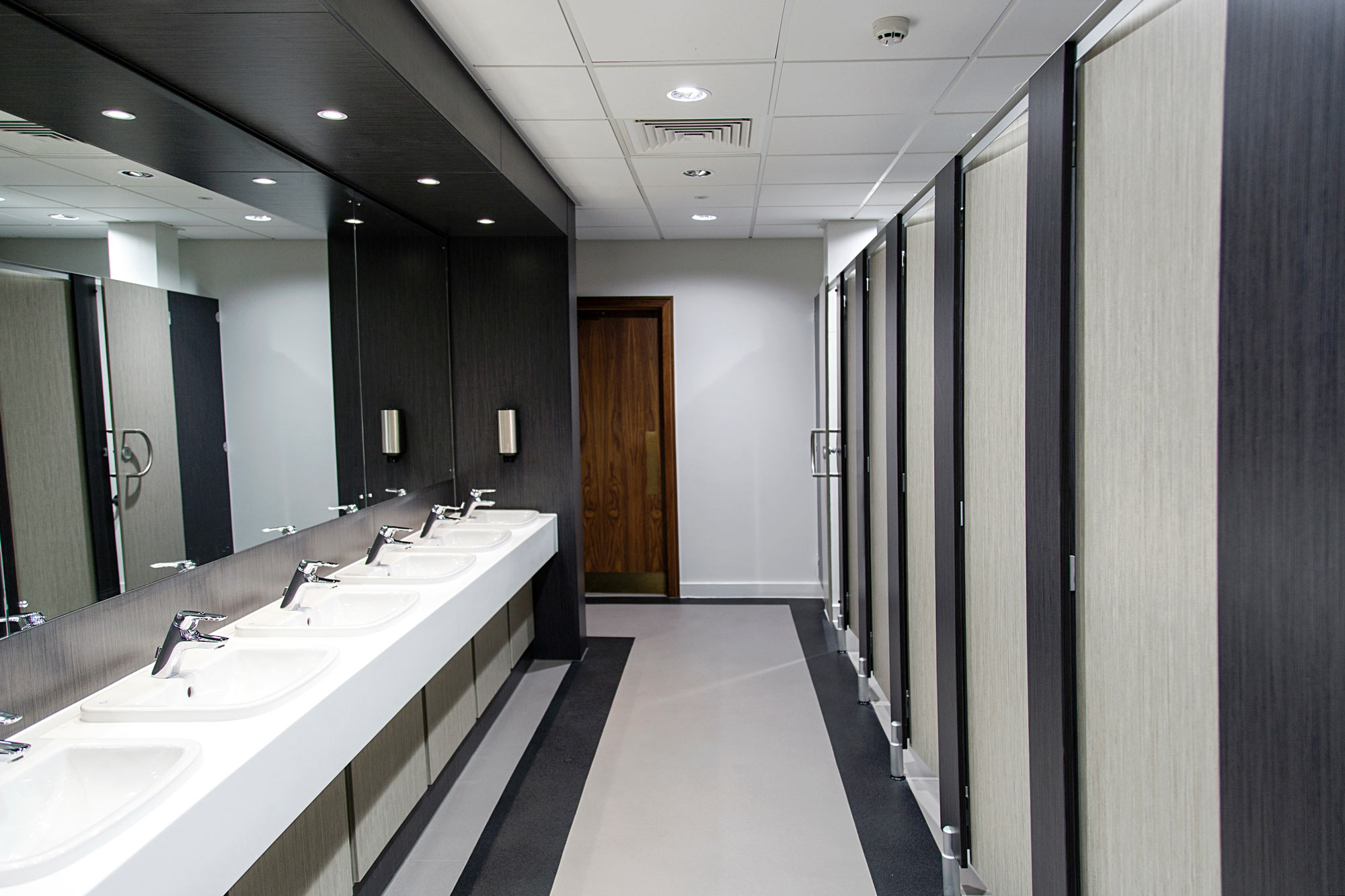
Maintaining impeccable cleanliness in high-traffic washrooms is crucial not only for hygiene but also for the reputation of any facility.
From shopping centres and schools to transport hubs and office buildings, these spaces see constant use and require careful management to ensure they remain sanitary and welcoming throughout the day.
Poor cleaning schedules or inconsistent protocols can quickly lead to unpleasant odours, hygiene risks, and negative user experiences that reflect badly on the organisation.
Effective cleaning protocols are not just about meeting basic standards—they’re about creating a structured approach that keeps washrooms safe, efficient, and presentable at all times.
Implementing well-planned cleaning schedules and standardised procedures helps to reduce maintenance costs, prevent damage, and support the overall well-being of visitors and staff.
Understanding the Demands of High-Traffic Washrooms
High-traffic washrooms are those that experience constant use throughout the day, often with minimal downtime for cleaning or maintenance. These can include facilities in airports, train stations, schools, stadiums, and busy offices.
Such washrooms face unique challenges, including the quick accumulation of dirt, paper waste, and moisture, which can make them look unclean even shortly after cleaning.
The demands of these environments mean that cleaning staff must work efficiently while maintaining high standards.
Surfaces such as sinks, door handles, and cubicle locks can become hotspots for bacteria, while consumables like soap and paper towels must be replenished frequently.
Understanding these specific demands is the first step towards developing cleaning routines that truly meet user expectations.
Establishing an Effective Cleaning Protocol
A well-defined cleaning protocol sets the foundation for consistent results. This includes creating detailed checklists that outline every task to be completed, from sanitising toilets and sinks to restocking supplies.
Assigning clear responsibilities to each team member ensures that no area is overlooked and that accountability is maintained across shifts.
Standardisation is equally important. By ensuring all cleaning staff follow the same methods and use approved products, facilities can maintain a uniform level of cleanliness and safety.
Using commercial-grade disinfectants and microfibre cloths can enhance effectiveness, while colour-coded cleaning tools help prevent cross-contamination between areas such as toilets and wash basins.
Setting the Right Cleaning Schedule
Creating a cleaning schedule that aligns with usage patterns is key to maintaining a high standard of hygiene in busy washrooms. Some facilities may require hourly cleaning checks, while others might benefit from continuous attendants during peak times.
The frequency should be based on factors such as footfall, location, and type of users—for instance, school washrooms may need more frequent attention during breaks.
Data-driven approaches are becoming increasingly popular for scheduling. Monitoring systems and footfall counters can provide valuable insights into when facilities are most used, allowing cleaning efforts to be concentrated where and when they are needed most.
This approach ensures resources are used efficiently while maintaining consistent cleanliness throughout the day.
Implementing a Monitoring & Audit System
Regular monitoring and auditing are vital for maintaining cleaning standards over time. Inspections should be carried out routinely to verify that all cleaning protocols are followed and that the results meet expectations.
Recording cleaning activities in logbooks or digital systems adds transparency and accountability, allowing managers to track performance and identify areas for improvement.
Modern facilities are adopting digital cleaning management tools, such as QR-based check-in systems, which enable real-time monitoring and reporting.
These systems make it easier to identify missed tasks or recurring issues and provide evidence of compliance with hygiene standards. Empowering staff to report maintenance issues quickly also helps prevent minor problems from escalating into major disruptions.
Balancing Hygiene with Sustainability
Cleanliness should never come at the expense of environmental responsibility. Sustainable cleaning practices, such as using eco-friendly cleaning agents, biodegradable products, and refillable dispensers, can significantly reduce the environmental footprint of washroom maintenance.
These alternatives are not only better for the planet but often safer for staff and users as well.
Water and energy-efficient cleaning techniques, such as low-flow cleaning systems or microfibre mops that require less water, can further enhance sustainability.
Incorporating these methods supports a business’s broader environmental goals and demonstrates a commitment to responsible operations—an increasingly important factor for modern organisations.

Staff Training & Communication
The success of any cleaning programme depends heavily on the people implementing it. Thorough training ensures that cleaning staff understand proper sanitisation techniques, safe handling of chemicals, and the importance of maintaining hygiene standards.
Well-trained staff are more confident, efficient, and capable of responding appropriately to unexpected issues.
Effective communication between cleaning teams and management is equally important. Regular briefings, clear signage, and reporting systems help coordinate tasks and prevent misunderstandings.
Visible “cleaning in progress” signs not only enhance safety but also reassure users that the facility is actively maintained.
Conclusion
Developing and maintaining effective cleaning protocols and schedules for high-traffic washrooms is an investment in hygiene, safety, and reputation.
A structured approach ensures that cleaning is consistent, efficient, and responsive to the unique demands of each facility.
Ultimately, clean and well-maintained washrooms are a reflection of the organisation itself. They create positive impressions, support public health, and demonstrate care for everyone who uses the space.
By combining structured protocols, smart scheduling, and a commitment to sustainability, businesses can maintain exceptional washroom standards every day. Get in touch with us today for more details on how we can help you.
For more information on Effective Cleaning Protocols & Scheduling for High-Traffic Washrooms talk to ASK Washrooms Ltd