 Get Listed


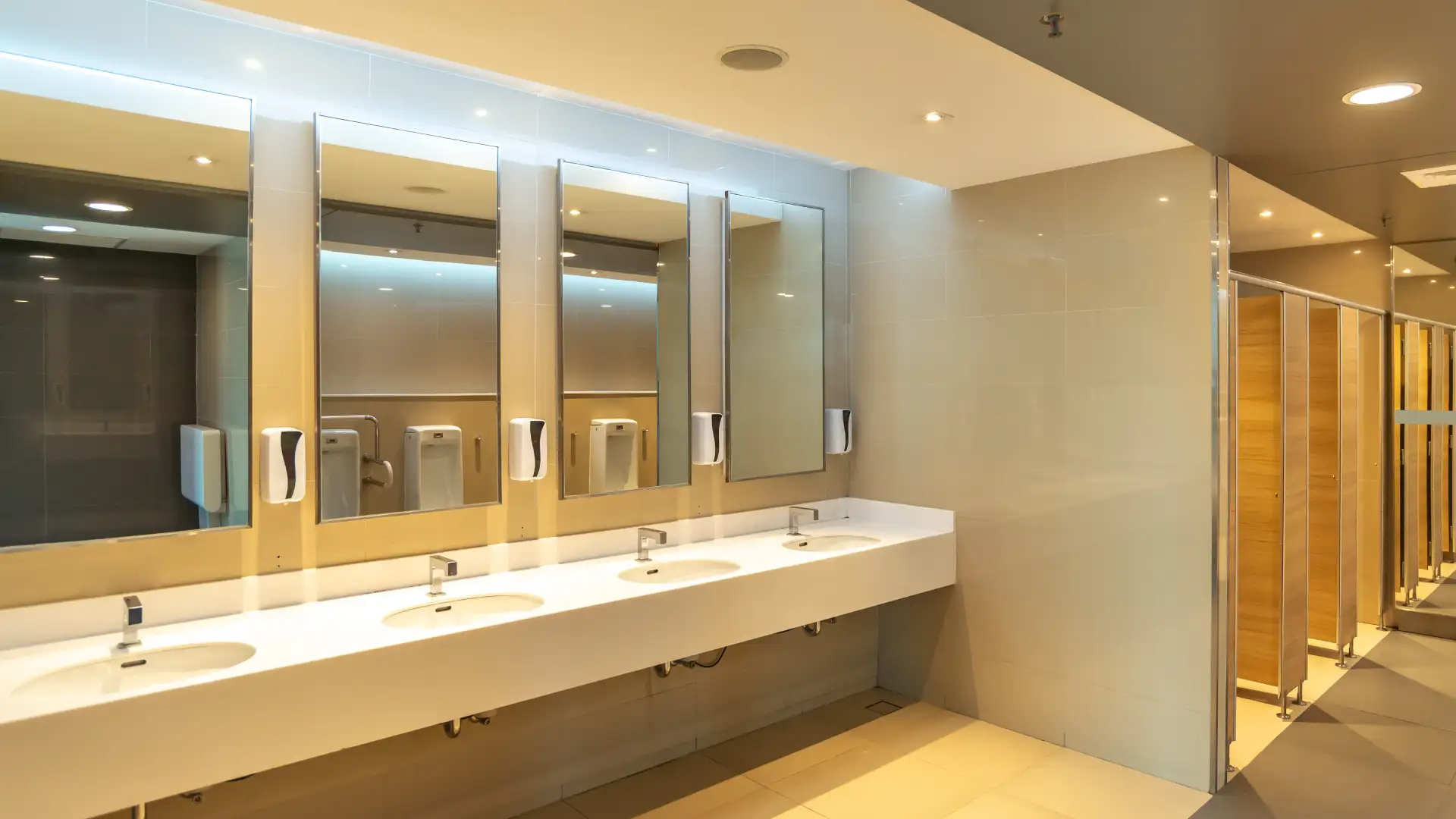
Modern washrooms are designed to be functional, hygienic, and visually appealing, but one key element often goes unnoticed: the acoustics. While most people don’t give it much thought, the way a washroom sounds can dramatically influence how comfortable and private it feels.
Loud echoes, harsh noises, or even the sound of running water can all contribute to a negative experience for users.
Noise control in washrooms isn’t just about making things quieter; it’s about creating the right ambience.
Whether you’re designing for a high-end hotel, a busy school, or a corporate office, managing sound levels can make the space feel calmer, more private, and ultimately more pleasant to use.
In this blog, Ask Washrooms will explore what causes excessive noise in washrooms and practical ways to reduce it for a better overall user experience.
Why Acoustic Comfort Matters in Washrooms
When it comes to designing or refurbishing a washroom, most attention is placed on layout, hygiene, and aesthetics. However, one critical factor that’s often overlooked is acoustics.
The sound environment within a washroom plays a significant role in how comfortable and welcoming the space feels. Excessive echoing or loud background noise can leave users feeling exposed or uneasy, particularly in public or shared facilities.
Good acoustic design not only improves user comfort but also shapes how people perceive the cleanliness and quality of the washroom. A washroom that feels noisy and harsh can give off an impression of poor maintenance, even if it’s spotless.
For commercial settings like offices, schools, and hospitality venues, getting the acoustics right can be the difference between a basic facility and one that genuinely enhances the user experience.
Common Causes of Excessive Noise
One of the biggest contributors to noise in washrooms is the choice of hard, reflective surfaces such as ceramic tiles, stainless steel, and glass. These materials, while durable and easy to clean, bounce sound around the room rather than absorbing it.
This results in loud echoes and an overall harsh acoustic environment, particularly in larger or high-ceilinged spaces.
In addition, noisy fixtures and fittings like powerful hand dryers, flushing systems, and slamming cubicle doors can create a cacophony, especially during peak usage.
Poor spatial layout, such as closely packed cubicles or open-plan sink areas, can also increase noise levels. All of this adds up to a washroom that sounds as unpleasant as it might look impressive.

Practical Solutions for Reducing Echoes
Acoustic Panels & Ceilings
Installing acoustic wall panels or ceiling tiles is one of the most effective ways to reduce noise in washrooms. These specially designed materials absorb sound waves rather than reflecting them, helping to dampen echoes and soften overall noise levels.
Options such as PET felt, foam-backed fabric, or timber slats with acoustic backing can also enhance the visual appeal of the space.
Acoustic ceiling tiles are particularly useful in larger or more open washrooms. By integrating sound-absorbing materials into the ceiling design, you can make a significant difference without disrupting the overall look of the washroom.
These can be especially beneficial in environments like schools or commercial buildings where footfall is high and noise control is essential.
Flooring Choices
Flooring also plays a crucial role in acoustic performance. Hard flooring materials like stone or porcelain tiles may be practical for cleaning, but they do little to dampen sound.
In contrast, rubber flooring or cushioned vinyl options can help reduce the noise of footsteps and trolleys, while still offering durability and slip resistance.
These softer flooring solutions are particularly effective in settings like healthcare facilities, where both hygiene and a quieter atmosphere are important.
By combining function with sound absorption, it’s possible to achieve a balance between practicality and acoustic comfort without compromising on safety.
Cubicle and Partition Materials
The type of material used for cubicle partitions can also impact the acoustic profile of a washroom. Thicker panels made from Compact Grade Laminate (CGL) or similar materials can help to block and absorb sound between stalls.
Adding rubber door buffers or soft-closing hinges also helps reduce the sudden bangs and slams often heard in public washrooms.
A considered cubicle design doesn’t just add visual appeal; it contributes directly to a quieter environment.
In addition to absorbing noise, high-quality cubicle systems create a greater sense of privacy, which users often appreciate in shared spaces such as schools, shopping centres, and workplace facilities.
Quiet Technology
Upgrading to low-noise fixtures is another simple yet effective improvement. Many modern hand dryers, taps, and flushing systems are available with reduced decibel ratings, making them significantly quieter in use.
Opting for these models can noticeably improve the user experience without requiring a full redesign.
Motion sensor technology can also help. By using sensor taps and dryers, you reduce the amount of time devices are unnecessarily running, cutting down on both noise and energy waste.
These solutions offer a modern, efficient, and user-friendly upgrade that also enhances the acoustic environment.
Layout & Design Considerations
The layout of your washroom can greatly influence how sound travels through the space. Zoning different areas, such as placing handwashing stations away from cubicles, can reduce the buildup of noise in one location.
Separating high-traffic areas with partitions or soft finishes can help isolate sounds and improve the overall ambience.
Additionally, planning for acoustics early in the design process can save time and money down the line. Retrofitting soundproofing solutions is often more costly and disruptive.
Engaging with experienced washroom designers or fit-out specialists from the start can ensure acoustic considerations are built into the project from day one.

Enhancing Ambience with Sound
It’s not just about reducing noise; sometimes, adding the right kind of sound can also improve the atmosphere. Background music or subtle sound masking can be used to provide a sense of calm or enhance privacy in high-end venues.
This approach is especially popular in spas, hotels, and upscale restaurants where ambience is part of the brand experience.
Sound masking systems work by introducing low-level ambient noise to mask intrusive sounds. This creates a more private and relaxed environment without the need for complete silence. When combined with the right materials and layout, it’s possible to create a washroom that feels truly welcoming and refined.
Compliance & Acoustic Standards
In some environments, particularly schools and healthcare settings, acoustic design may be subject to regulations or guidance. For example, Building Bulletin 93 (BB93) provides acoustic performance standards for school buildings, including washrooms.
Ensuring your washroom meets these benchmarks is not only beneficial for users — it may be a legal requirement.
Even where regulations don’t apply, working with acoustic consultants or experienced installers can help ensure your project meets best practice.
Whether you’re upgrading an existing facility or planning a new build, getting professional advice early on will ensure acoustic comfort is built into the space.
Conclusion
Noise control might not be the first thing you think about when designing a washroom, but it plays a vital role in how the space is experienced.
Reducing echoes and creating a calmer, more private atmosphere makes washrooms more pleasant to use and leaves a lasting impression on visitors.
From material choices and layout decisions to modern technologies and thoughtful finishes, there are countless ways to improve acoustic comfort.
At ASK Washrooms, we understand that a well-designed space goes beyond the surface.
If you’re planning your next washroom refurbishment, get in touch to explore how we can help create quieter, better-performing facilities tailored to your needs.
For more information on Noise Control in Washrooms: Reducing Echoes & Improving Ambience talk to ASK Washrooms Ltd