 Get Listed
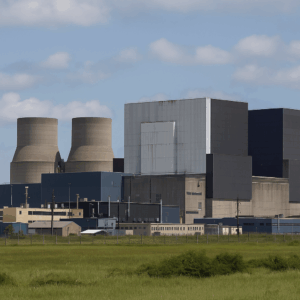
Two of Britain’s nuclear power stations—Heysham 1 in Lancashire and Hartlepool in County Durham—have been granted one-year life extensions, keeping them operational until at least March 2028.
Built in the early 1980s, these plants have already exceeded their original design lives. However, in light of energy security pressures, the cost of replacement, and positive inspection results for their graphite reactor cores, the UK government and EDF Energy have concluded that extending operations is the most strategic option. The decision underlines a reality many sectors face: critical systems often need to run far beyond their intended lifespan.
Why this matters beyond nuclear
The same forces apply across manufacturing, utilities, transport, defence, and infrastructure. Replacements are expensive and disruptive; large rip-and-replace programmes demand budgets, downtime, and approvals that may be unrealistic. New builds take time. Safety and regulation require continuous reliability—systems cannot simply fail—even when parts are obsolete. Hidden degradation is a risk too: in nuclear it’s graphite cores; in electronics it may be ageing PCBs, capacitors, connectors, or outdated firmware. Legacy systems are here to stay; the challenge is keeping them reliable, safe, and cost-effective until the right moment to modernise.
Obsolescence support as a strategy, not a stopgap
The extensions at Heysham and Hartlepool were strategic choices, underpinned by rigorous inspection and risk management. That’s how we approach obsolescence at Amelec:
-
Assessment and audit: identify where ageing or discontinued components create risk.
-
Sustainment and support: supply replacements, re-engineered solutions, and technical expertise to keep assets running.
-
Bridging and hybrid solutions: integrate legacy systems with modern technologies—no “all or nothing” decision required.
-
Modernisation roadmaps: plan ahead so future replacements are smooth and minimally disruptive.
Like the nuclear sector, running legacy systems safely and effectively is a strategic choice that buys time, avoids costly downtime, and keeps operations secure.
The risks of ignoring legacy systems
Failing to plan for obsolescence can lead to unplanned outages when critical parts fail with no replacements, rising maintenance costs as workarounds multiply, cyber exposure from unsupported software or firmware, and compliance failures due to unmaintained equipment. Waiting for a crisis is almost always more expensive than proactive management.
Learning from nuclear: extend with confidence
If nuclear stations—among the most scrutinised, safety-critical facilities—can be extended safely with the right monitoring and support, so can your critical systems. The key is proactive obsolescence management. At Amelec, we provide the expertise, products, and support that let you operate with confidence, knowing your legacy equipment is in safe hands.
At Amelec, we make that possible.
For more information on When Nuclear Power Plants Need Legacy Support: Lessons for Your Industrial Systems talk to Amelec Instruments