Beyond the Pop-Up: Building a Conversion Funnel That Starts Strong
- 25 Jul 2025
- Articles
Popups aren’t the enemy but bad popups are. The kind that slaps you with a discount before you’ve even scrolled. Or interrupt just as you’re reading the first sentence. That’s where the “popups are annoying” myth comes from.
But when used thoughtfully, popups step in at key moments, right before a visitor exits, shows intent, or reaches a point of action. A good popup doesn’t demand attention; it earns it.
And here’s the part marketers often miss: a popup isn’t a goal. It’s a gateway. A strong popup isn’t just trying to collect an email, it’s kicking off a sequence. A welcome flow, a content journey, a buying path. This article looks beyond the popup itself and into the bigger picture: how to make it the starting point of a smart, high-converting funnel.
Why Popups Alone Don’t Cut It Anymore
A popup on its own is just noise unless it’s part of something bigger. Yes, it might catch attention. Yes, it might get a click. But what happens next?
That’s where many brands fall short. They drop a discount or a newsletter signup and consider the job done. No follow-up. No tailored flow. No context. The result? Shaky conversion rates and users who bounce because the offer leads nowhere meaningful.
Let’s be honest: a 10% off popup shown to everyone is guesswork. Compare that to a welcome popup that adapts to where the visitor came from (ad, referral, blog), offers something relevant (guide, quiz, offer), and feeds into a proper nurture path.
Disconnected CTAs might get surface-level engagement, but they rarely drive lasting results. Because when there's no logical next step, users create their own usually by leaving.
The Real Job of a Popup: Starting, Not Closing
Popups aren’t supposed to seal the deal. They’re supposed to start the conversation.
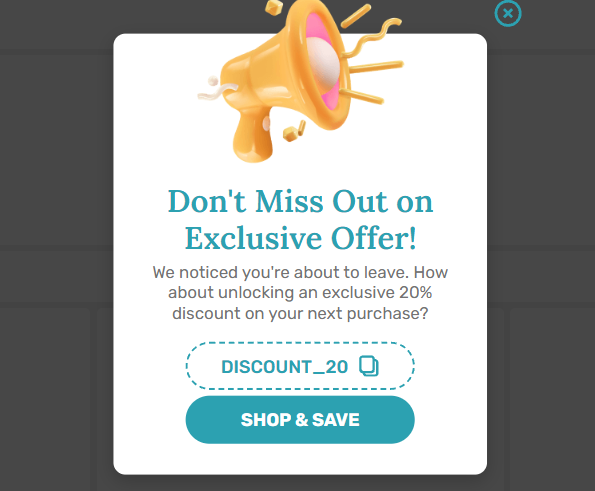
Exit-intent popup from Claspo’s template library
Think of them as the handshake, not the contract. Their real job is to identify intent, segment the visitor, and trigger the right next step.
A first-time visitor on your blog doesn’t need a discount, they need a reason to stick around. A returning visitor on a product page isn’t looking for tips, they might be one click away from buying. Showing them both the same popup? That’s lazy marketing.
The smarter move is intent-based messaging. Adjust the content, timing, and format based on what the user is actually doing. Someone reading a guide? Offer a related checklist. Someone hovering near the exit on your pricing page? Offer to answer their objections.
Popups work best when they’re not trying to do it all. Take a newsletter popup, for example. It captures the email, but that’s just step one. The welcome email that follows sets expectations. Then the onboarding flow builds trust and nudges toward action.
Mapping Your Funnel Backwards
Most marketers build their funnels forward start with a popup, hope it converts, figure out the rest later. That’s a mistake.
If you want your popup to drive real results, build the funnel in reverse. Start with what you actually want as a conversion: a lead, a signup, a sale. Then think what has to happen right before that? And before that?
This approach forces clarity. If your end goal is a demo, the popup shouldn’t offer a random discount. It should start a path that logically ends in a demo.
Example: Exit-intent quiz → segmentation → personalized content → demo offer. Now the quiz isn’t just interactive fluff, it’s qualifying leads and personalizing the next step.
Or take this path: Lead magnet popup → lead capture → nurture emails → offer. If the lead magnet isn’t aligned with the offer, the funnel will not work properly. If the emails don’t continue the story, the lead goes cold.
Working backwards makes sure each step earns the next. Your popup is the opening step in a sequence of user choices. That’s how you build funnels that actually convert.
What Makes a Popup Funnel-Ready
A funnel-ready popup gives direction. It filters, qualifies, and points the user to what’s next. That’s the difference between a dead-end modal and a strategic entry point.
First, segmentation. Don’t show the same message to everyone. Use behavior, traffic source, or page context to tailor the ask. A returning visitor on a pricing page needs a different prompt than a new blog reader. The more relevant the popup, the smoother the path forward.
Second, make the CTA frictionless. Ask only what you need, and offer something valuable right away. “Get the checklist” is a lot easier to act on than “Join our newsletter.” Lead with utility, not your agenda.
Third, define the next step. What happens after the click? Does the potential client get redirected to another page, receive an email, unlock valuable content? A popup without a clear next move leaves momentum on the table.
Some tools for popup creation make this easier to execute without dev help. You can target based on UTM parameters, scroll depth, time on site, or referral source. Add multi-step logic and behavioral triggers, and your popup stops being generic—it becomes a guided entry into a well-planned journey. With ready-to-use options like Claspo’s template, you can skip the guesswork and focus on strategy.
Funnel Examples that Start with Popups
The best funnels don’t feel like funnels. They feel like timely help. And many of them start with a smartly placed popup that doesn’t just interrupt—it guides.
Content Upgrade Funnel
Someone’s deep into your blog post. A scroll-triggered popup offers a bonus resource—say, a checklist or cheat sheet. They get instant value, you get their email. That triggers a drip sequence tied to the original topic, slowly leading them toward a product or service that solves their problem.
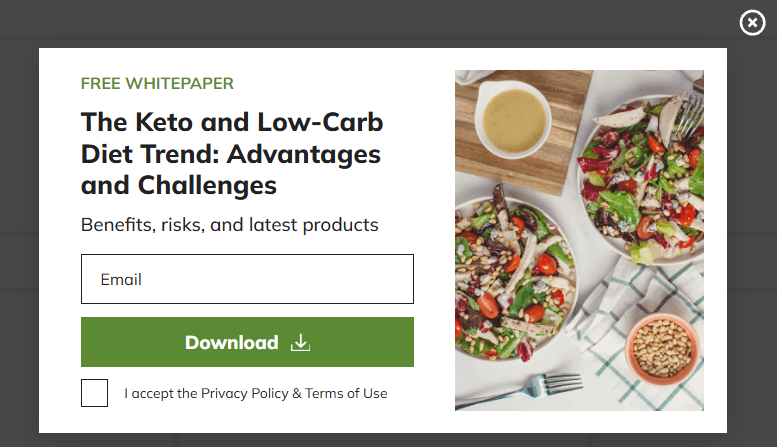
Popup from Claspo’s template library
Product Education Funnel
A new visitor lands on your homepage. A welcome popup offers a “Get the Guide” CTA—not a pitch, but something useful. Once downloaded, the user enters an onboarding flow: emails that explain your product, show use cases, and build trust before you ask for anything in return.
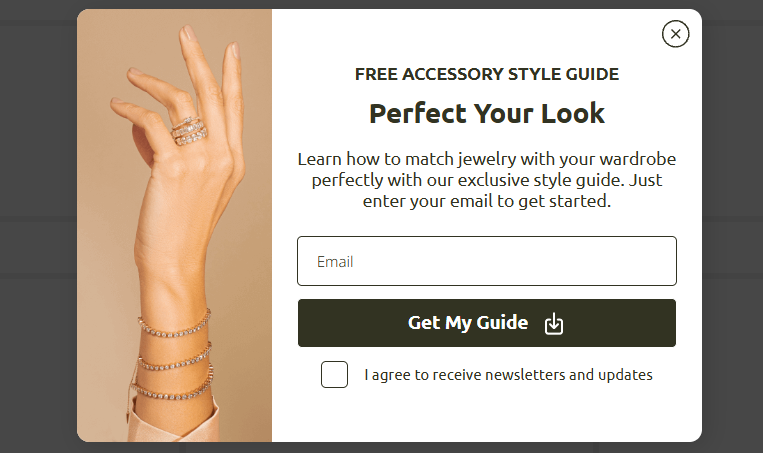
Popup from Claspo’s template library
Cart Recovery Funnel
User loads up a cart but hesitates. An exit-intent popup gives them the option to save it. They drop in their email. You follow up with a reminder. Then a timed discount. Often more effective than retargeting ads.
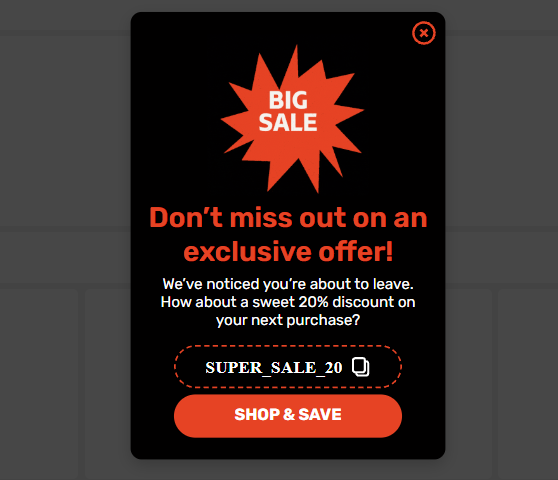
Popup from Claspo’s template library
Each of these starts with a popup but none of them end there. A good popup doesn't close the deal. It opens the door.
Common Mistakes and How to Avoid Them
Popups fail when they’re treated like one-off tactics instead of part of a system. Here’s where things usually go wrong:
1. Popups with no plan. Dropping a popup on your site without knowing what happens next is like handing someone a flyer and walking away. A conversion funnel starts after the click—if there’s no follow-up, there’s no point. You can find more examples of what works and what doesn’t in popup strategy here.
2. No follow-up flow. You collected an email. Now what? If there’s no welcome email, no onboarding, no content trail—you’ve just wasted a touchpoint. A popup without a follow-up campaign is useless.
3. Overloading or overselling. Asking for too much info or pushing an offer too early kills momentum. Visitors don’t owe you anything. Start with value, not pressure. Keep it simple: one ask, one clear next step.
4. No testing. What works today may flop tomorrow. If you're not A/B testing, you’re guessing. Some popup tools make it easy to test entire post-click journeys so you can optimize the whole funnel.
Avoid these missteps, and your popups stop being noise and start driving results that actually compound.