 Get Listed

Excavator Training Above & Below 10t
20-02-2026
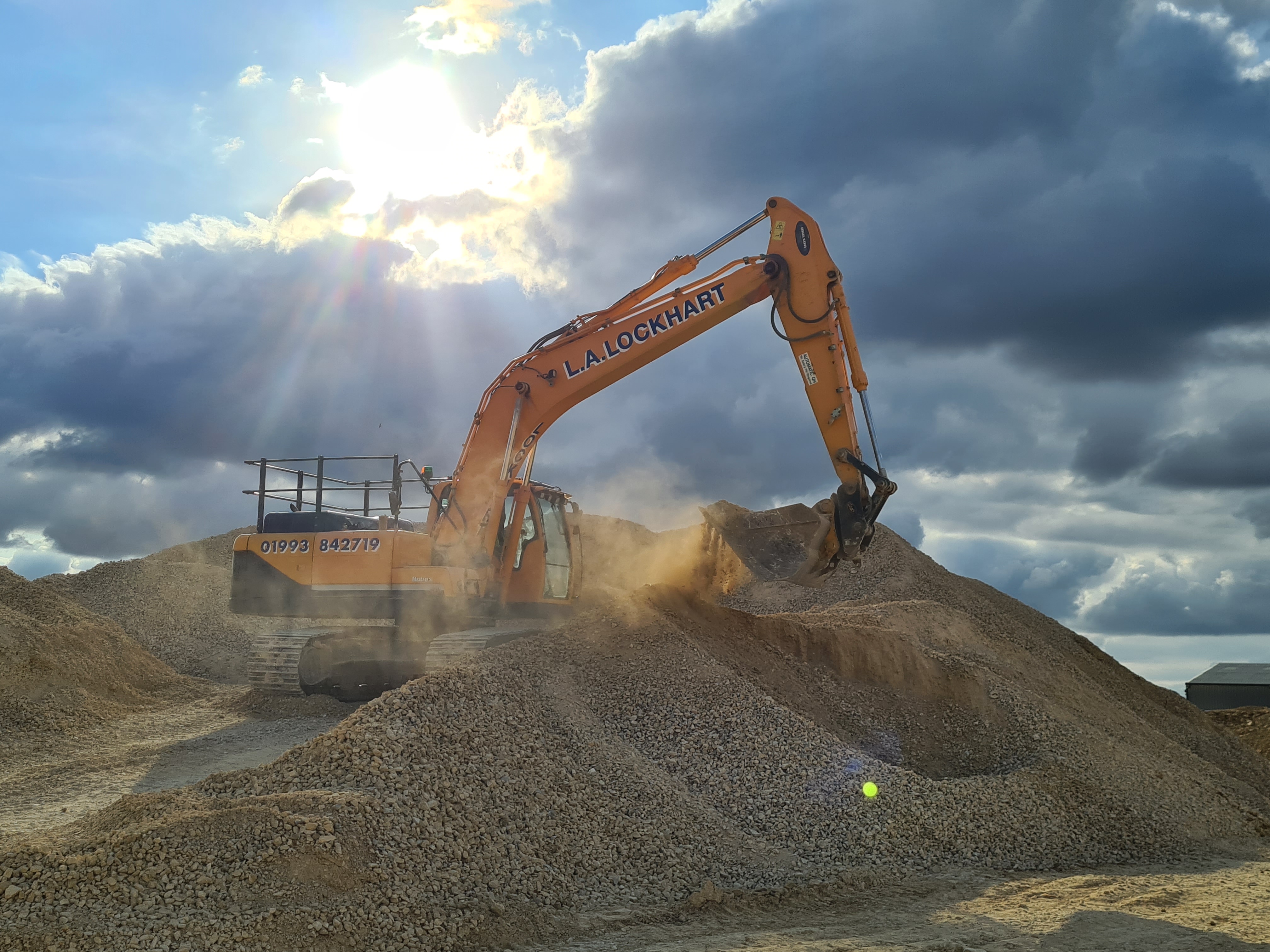
Navigating the world of plant operator training can feel overwhelming, especially with a mix of industry codes like A58, A59, and N202. Choosing the right NPORS excavator ticket is a critical investment in your career. Many aspiring operators ask us about the fundamental difference between excavator above 10t and those below, and why this weight classification is so crucial for their certification and future on-site work. Our comprehensive guide on excavator-training-above-below-10t will provide valuable insights, particularly focusing on the differences in excavator-training-above-below-10t certifications.
As a trusted, family-run NPORS training provider, we're here to cut through the confusion. This expert guide breaks down everything you need to know, from the specific capabilities of each machine class to the types of projects each ticket qualifies you for. By the end, you will understand the key distinctions and have the confidence to choose the accredited training course that perfectly aligns with your career goals, ensuring your investment sets you up for lasting success.
Understanding the importance of excavator-training-above-below-10t is essential for all operators aiming to work efficiently and safely on-site.
For further clarity on this classification, refer to our detailed section on excavator-training-above-below-10t, as it explains the significance of excavator-training-above-below-10t in the context of operational safety.
Key Takeaways
- Understand that the 10-tonne classification is more than just weight; it defines an excavator's power, reach, and suitability for specific UK construction projects.
- The core difference between excavator above 10t and smaller models lies in their operational complexity and digging force, requiring distinct, certified operator skills.
Operators must also recognise that the excavator-training-above-below-10t classification significantly impacts their job prospects.
- Align your NPORS training choice directly with your career ambitions, whether you aim for domestic groundwork or large-scale commercial and civil engineering sites.
- Unlock specific job opportunities by selecting the correct ticket-an under-10t qualification is ideal for utility work, while an over-10t ticket is essential for major infrastructure projects.
Table of Contents
- The 10-Tonne Divide: Why It's a Crucial Distinction in Excavator Operation
- NPORS vs. CPCS: Navigating the Certification Categories
- Choosing Your NPORS Course: Which Excavator Training is Right for You?
- Job Opportunities & Career Progression
The 10-Tonne Divide: Why It's a Crucial Distinction in Excavator Operation
The excavator-training-above-below-10t classification helps employers determine the appropriate level of training and skill required for various jobs.
In the world of construction and plant operation, not all excavators are created equal. The most significant industry benchmark for these machines is their operating weight, with 10 tonnes serving as a crucial dividing line. Operating weight refers to the machine's total mass during standard operation, including fuel, fluids, and a standard bucket. Understanding the fundamental difference between excavator above 10t and those below is essential for site safety, project efficiency, and ensuring operators hold the correct, certified qualifications.
While all excavators share common principles, which you can review in these Excavator basics, crossing the 10-tonne threshold introduces a dramatic shift in scale. The key distinctions fall into four main areas:
- Size and Footprint: Affecting transport, site access, and ground pressure.
- Power and Digging Force: Determining the machine's capability for breaking ground and handling materials.
- Reach and Digging Depth: Dictating the scope and scale of excavation work possible.
- Safety and Operator Skill: Requiring different levels of spatial awareness, risk assessment, and certified competence.
What Characterises an Excavator 'Below 10 Tonnes'?
Often referred to as mini or midi excavators, machines in this category are defined by their agility and compact footprint. They are the go-to choice for projects requiring precision in confined areas, such as residential landscaping, utility trenching, and small-scale foundation work. The primary focus for an operator is meticulous control to avoid striking buried services and to manoeuvre safely on sites with restricted access.
What Defines an Excavator 'Above 10 Tonnes'?
These are the workhorses of major construction projects. Large tracked excavators over 10 tonnes are built for power and productivity, excelling at bulk earthmoving, deep excavation, quarrying, and large-scale demolition. For operators, the required skill set expands to managing a significant swing radius, understanding complex lifting plans, and maintaining a much greater awareness of the machine’s large operational footprint to ensure the safety of the entire site.
Safety and Regulations: Why Training is Segregated
The increased power, weight, and reach of larger excavators bring heightened operational risks. UK Health and Safety Executive (HSE) guidelines demand that operator training is appropriate for the specific class of machinery being used. This is why accredited schemes like CPCS (Construction Plant Competence Scheme) have separate certifications. An operator trained for a 5-tonne machine is not automatically qualified to operate a 20-tonne one. This crucial separation is formalised in training codes, such as:
- CPCS A58: For 360° Excavators below 10 tonnes.
- CPCS A59: For 360° Excavators above 10 tonnes.
This ensures that every operator has proven their competence and understanding of the unique stability, safety, and operational challenges presented by the specific weight category of their machine.
NPORS vs. CPCS: Navigating the Certification Categories
Understanding excavator-training-above-below-10t is critical for compliance with industry regulations and enhances safety on construction sites.
When it comes to operating an excavator in the UK, your certification is your passport to the worksite. The two leading accreditation bodies are the National Plant Operators Registration Scheme (NPORS) and the Construction Plant Competence Scheme (CPCS). A key difference between excavator above 10t qualifications lies in how these two trusted schemes structure their categories, directly impacting your career flexibility and excavator training costs . Understanding these paths is crucial for ensuring you are not only compliant but also operating machinery safely, in line with the HSE Excavator Safety Guidelines.
The NPORS N202 Approach: One Ticket, Multiple Endorsements
NPORS offers a modern, flexible route with its N202 Excavator 360 ticket. Under this system, you are certified to operate the specific size of excavator you train and pass your test on. If you later need to operate a different size-for example, adding a 5-tonne mini digger to your 13-tonne qualification-you simply complete a familiarisation assessment to add an endorsement. This is a far more efficient and cost-effective way to broaden your skills without needing a completely new ticket.
The CPCS A58 & A59 System: Two Separate Tickets
In contrast, CPCS uses a more rigid, category-based system. It requires two entirely separate tickets for excavators split by the 10-tonne mark:
- A58: Excavator 360 below 10 tonnes
- A59: Excavator 360 above 10 tonnes
If you hold an A59 ticket for machines over 10 tonnes and a job requires you to use a smaller machine, you must book, train for, and pass the separate A58 theory and practical tests. This process is more time-consuming and can be significantly more expensive for operators who need versatility.
Which Scheme is Best for Your Career?
While CPCS has long been standard on some of the UK’s largest construction projects, its rigid structure can be limiting. NPORS, with its widespread and growing acceptance across sites nationwide, offers a smarter path. The NPORS/CSCS card ensures you have access to major sites, while the flexible endorsement system allows you to adapt to job requirements quickly and affordably. For the modern, versatile operator, the NPORS scheme represents a more practical and forward-thinking investment in your career.
Choosing Your NPORS Course: Which Excavator Training is Right for You?
Choosing the right NPORS course related to excavator-training-above-below-10t will guide your career trajectory.
Selecting the right accredited NPORS 360 excavator training course is the first step towards a successful and safe career as a plant operator. It’s not just about learning to operate a machine; it’s about aligning your training with your career ambitions and the specific demands of the UK construction industry. Making an informed choice ensures you invest in the right ticket to unlock your future potential. This framework will help you decide which path is right for you.
Who Should Choose 'Below 10 Tonnes' Training?
The NPORS N202 Excavator 360 (below 10 tonnes) course is the ideal starting point for many operators. This certification is essential if your career goals are in residential house building, general groundworks, or utility installation. It is perfectly suited for new entrants to the industry looking to build foundational skills on more manageable machines. This ticket is also invaluable for operators who will primarily work on sites with restricted access, such as in busy urban developments or private landscaping projects.
When Do You Need the 'Above 10 Tonnes' Ticket?
The 'Above 10 Tonnes' ticket is your gateway to larger, more complex projects and significantly higher earning potential. This advanced certification is a non-negotiable requirement for operators aiming for roles in major infrastructure, large-scale demolition, quarrying, or bulk earthmoving. For a detailed overview of how this qualification impacts your career, the official Construction Plant Operator Career Information is an excellent resource. This ticket is the logical next step for experienced operators looking to advance their careers and take on greater responsibility.
What to Expect: Differences in Training and Testing
Proper training in excavator-training-above-below-10t enables operators to handle different types of machinery effectively.
The crucial difference between excavator above 10t and sub-10t training lies in the increased complexity and scale. Our expert instructors tailor the accredited NPORS course content to reflect the unique challenges and safety protocols required for larger machines. You can expect:
- Advanced Theory: Training for excavators over 10 tonnes includes a more in-depth study of lifting capacity charts, complex stability calculations, and understanding the machine's greater operational limits and forces.
- Complex Practical Tasks: Your practical assessment will involve operating in a larger area, performing more demanding manoeuvres like deep trenching and bulk loading, and safely managing the machine's significant swing radius and reach.
- Heightened Safety Focus: Due to the increased risks associated with larger plant, there is a greater emphasis on comprehensive pre-start checks, clear communication protocols with banksmen, and enhanced site-wide safety awareness.
Starting with a 'Below 10 Tonnes' ticket is a fantastic way to enter the industry. As you gain experience, upgrading to the next category is a straightforward process. At Vally Plant Training, a trusted family-run provider, we guide operators every step of the way. Contact our expert team to discuss your career path and find the perfect NPORS course at vallyplanttraining.co.uk.
Job Opportunities & Career Progression
Choosing the right excavator training isn't just about the machine; it's about charting a course for your entire career. The NPORS ticket you pursue directly unlocks specific job opportunities, influences your earning potential, and sets the stage for future advancement. The 'best' certification is the one that aligns perfectly with your professional ambitions.
Typical Job Roles with a 'Below 10t' Ticket
With the excavator-training-above-below-10t qualification, operators can access a broader range of job opportunities.
An NPORS N202 Excavator 360 below 10 tonnes ticket is the gateway to a wide range of essential site roles. These positions often require precision and the ability to work in confined or developed areas. Common career paths include:
- Groundworker with excavator duties: Digging foundations, drainage trenches, and service pits on residential or commercial sites.
- Utility service layer: Working for gas, water, or telecoms companies, excavating to lay or repair pipes and cables.
- Landscaping and small civils operator: Shaping terrain, grading, and performing detailed earthmoving for gardens, parks, and small-scale construction projects.
Career Paths with an 'Above 10t' Ticket
Qualifying to operate excavators over 10 tonnes opens the door to major infrastructure and heavy-duty industrial projects. The key difference between excavator above 10t and smaller machines is their immense power and production capacity, which is essential for large-scale operations. Typical roles include:
The excavator-training-above-below-10t qualification is a crucial element in determining your earning potential.
- Bulk earthworks operator: Moving vast quantities of soil and rock on large civil engineering projects like new motorways, railways, or housing developments.
- Quarry or mine production operator: Loading dump trucks and processing materials in an extractive environment.
- Demolition machine operator: Utilising specialised attachments on large excavators for controlled deconstruction of buildings and structures.
Earning Potential: Does Size Matter?
In the world of plant operation, size often does correlate with salary. Operating larger, more complex, and higher-risk machinery typically commands a higher pay rate. While a skilled operator below 10t can earn a solid wage, those certified for heavier plant often have a higher ceiling. Experienced operators on large machines, especially those with specialised skills like GPS guidance or demolition, can see their earnings increase significantly. In the UK, operator salaries can typically range from £30,000 for newer operators to over £45,000 for experienced specialists on major projects.
Start Your Certification Journey Today
Investing in excavator-training-above-below-10t training also sets you up for long-term success in your construction career.
Making an informed decision from the outset is the smartest way to invest in your future. Think about where you want to be in five years. Do you see yourself on major infrastructure projects, or do you prefer the variety of smaller site work? Your answer will guide you to the right training path. By choosing the correct accredited course, you ensure your skills are in demand and recognised by employers nationwide.
Ready to unlock your career potential? View our NPORS 360 Excavator courses to find the right fit.
Unlock Your Career with the Right NPORS Ticket
Choosing the right excavator training is a pivotal moment in your construction career. The key takeaway is that the 10-tonne divide is more than just a weight classification-it dictates the scope of projects you can work on and the skills you must master. Understanding the crucial difference between excavator above 10t and smaller machines ensures you invest in the correct NPORS certification, opening doors to more advanced and higher-paying roles. Your NPORS ticket is your passport to site safety, compliance, and professional growth.
When you're ready to take that step, choosing the right training provider is just as important. As an official NPORS-accredited, family-run business, Vally Plant Training offers a direct path to certification. We are not a broker, which means no hidden fees-just honest, expert guidance from instructors with real-world site experience. We are committed to helping you succeed.
Train Smart. Train Safe. Book your NPORS Excavator Course Direct.
Through our excavator-training-above-below-10t courses, operators gain the skills needed to excel in their roles.
Invest in your skills today and build a successful, long-term career in the construction industry.
Frequently Asked Questions
Our excavator-training-above-below-10t programs ensure compliance with the latest industry safety standards.
What is the NPORS code for excavators above 10 tonnes?
The specific NPORS code for this category is N202 - Excavator 360, Tracked: Above 10 tonnes. This code ensures that your certification is for operating larger, more powerful machines, which is a common requirement on major construction sites. When booking, it's crucial to select the correct course code to ensure your qualification meets employer and site compliance standards. Our expert team can help you confirm the right course for your needs.
Do I need two separate NPORS tickets for excavators above and below 10 tonnes?
Yes, you do. The NPORS N201 ticket covers excavators up to 10 tonnes, while the N202 ticket is required for machines over 10 tonnes. Holding the N202 certification demonstrates your proven competence on larger equipment with different operational characteristics. For experienced operators, conversion courses may be available, providing a more direct pathway to gaining the additional category on your operator card.
The distinction of excavator-training-above-below-10t is essential for operators to understand their capabilities.
How long does an NPORS 360 Excavator ticket last?
A traditional NPORS operator card is valid for five years. If you hold an NPORS/CSCS Trained Operator Card (a red card), it is valid for two years. Within that time, you are required to complete the relevant NVQ to upgrade to a blue Competent Operator Card, which is then valid for five years. We always recommend regular refresher training to maintain high safety standards and keep your skills current.
Regular refresher training on excavator-training-above-below-10t will keep your qualifications current and relevant.
Is the practical test for an excavator over 10 tonnes much harder?
The practical assessment is more demanding, reflecting the increased scale and risk associated with larger machinery. While the core operational principles are similar, assessors will expect a higher degree of precision, spatial awareness, and a thorough understanding of the machine's lifting capacity and stability. The key difference between an excavator above 10t and a smaller model is its power and reach, which requires more skill to manage safely.
Our training programmes highlight the importance of excavator-training-above-below-10t in maintaining workplace safety.
Can I upgrade my NPORS ticket from 'below 10t' to 'above 10t' later?
Absolutely. Operators can upgrade from the N201 (below 10t) to the N202 (above 10t) category. This usually involves an Experienced Worker Test (EWT) on a machine over 10 tonnes to assess and certify your skills. This is a very common route for career progression, allowing operators to work on larger projects. As a direct training provider, we can guide you through the most efficient and cost-effective upgrade path.
Operators should keep abreast of changes in excavator-training-above-below-10t regulations to ensure compliance.
What's the difference between a CPCS A58 and A59 ticket?
The CPCS scheme uses different codes for the same machine categories. The CPCS A58 ticket is for 360 Excavators below 10 tonnes, while the A59 ticket covers 360 Excavators above 10 tonnes. These are the direct equivalents of the NPORS N201 and N202 categories, respectively. Both are highly respected certification schemes within the UK construction industry, and the choice between them often depends on specific site requirements.
Can my employer get a CITB grant for my excavator training?
Yes. If your employer is registered with the CITB and up-to-date with their levy payments, they can claim a grant for your accredited training. Vally Plant Training is a CITB Approved Training Organisation (ATO), meaning our NPORS excavator courses are eligible for grant funding. This can significantly reduce the overall training cost, making it easier for companies to invest in high-quality, compliant operator certification for their staff.
Employers can benefit from investing in excavator-training-above-below-10t training as it enhances team competency.
For more information on Excavator Training Above & Below 10t talk to Vally Plant Training