 Get Listed

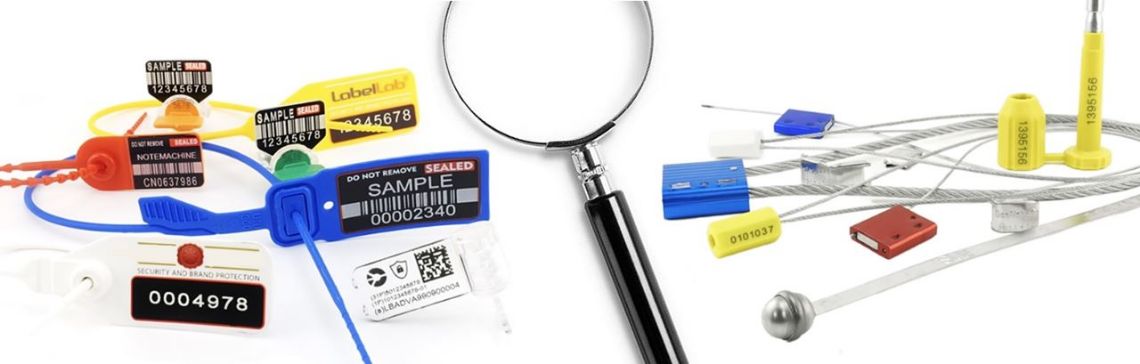
Security seals are essential tools for protecting goods, preserving integrity, and preventing unauthorised access across a wide range of industries. In this guide, we explore what security seals are, the different types available, how they’re used, and their role in today’s security landscape.
What Are Security Seals?
A security seal is a tamper-evident device used to secure cargo, equipment, or assets requiring protection. These can be applied to items such as truck trailers, containers, tote boxes, and sacks. Once in place, they provide clear evidence if any attempt at access has been made. Unlike locks, security seals are usually single-use and must be broken to be removed, leaving visible proof of interference.
In contrast, padlocks are reusable and require a key, but they don’t always show clear signs of tampering. Cable ties, while often used for bundling, offer limited security as they can be easily replaced, making them unsuitable where tamper evidence is essential.
The Two Core Functions of Security Seals
When incorporated into a wider security protocol, security seals fulfil two key roles:
-
Visual tamper evidence – Seals are designed to show signs of physical interference. This might be breakage or more subtle signs like surface 'blushing' on plastic that indicate manipulation.
-
Access control – Their presence alone acts as a deterrent. High-security barrier seals offer a physical barrier, requiring tools to remove, and signal that access is restricted.
Types of Security Seals and Their Applications
Security seals come in various forms, from simple security labels to heavy-duty barrier seals. They are selected based on the level of protection required and the nature of the application.
Plastic Seals
Plastic seals are lightweight and economical, making them ideal for lower to mid-level security requirements. Common in the logistics, courier, and retail sectors, they’re used on containers, sacks, storage boxes, and roll cages. Pull-tight plastic seals are particularly useful for securing items such as first aid kits and mailbags, where a tight seal is necessary. These seals are designed to break on removal, clearly showing if access has occurred.
Indicative Seals
Indicative seals offer tamper evidence rather than high-strength security. Typically used for fire extinguishers, water meters, or postal sacks, they are simple to break or cut and are designed to highlight unauthorised access quickly and clearly. They include void labels and tapes that leave visible residue or void messages when peeled away.
Metal Seals
Metal seals provide a more robust option, ideal for international shipments and industrial use. These include cable seals, bolt seals, metal strap seals, and padlock-style seals. They offer greater resistance to tampering and require tools to remove, making them suitable for securing high-value cargo or freight containers.
Cable Seals
Cable seals combine strength with flexibility and are widely used to secure lorry doors, tankers, and containers. Their adjustable design and robust build mean they’re effective in both tough environments and applications that demand adaptability.
Bolt Seals
Bolt seals, or barrier seals, are used for high-security applications such as international freight. Meeting ISO 17712:2013 'High Security' standards, they are recognised globally by customs authorities. They require bolt cutters for removal and act as both a physical and visual deterrent.
Industry Applications
-
Logistics and Transport: Cable and bolt seals secure freight and trailers, maintaining chain-of-custody and offering clear evidence of tampering.
-
Retail and E-commerce: Plastic seals and void labels safeguard goods in storage and transit, offering a cost-effective solution for high-volume use.
-
Healthcare and Pharmaceuticals: Used to secure waste bags, medicine containers, and controlled areas, helping to maintain compliance and product integrity.
-
Utilities and Metering: Seals on meters prevent tampering and protect against fraud in the electricity, gas, and water sectors.
-
Postal and Courier Services: Indicative seals are widely used to secure mailbags and equipment, providing traceability and ease of use.
Best Practices for Using Security Seals
To ensure the effectiveness of security seals:
-
Choose the right seal for your application based on security level, asset type, and industry regulations.
-
Use seals with unique serial numbers or barcodes to aid traceability and accountability.
-
Ensure seals are applied correctly so tampering is easily visible.
-
Integrate seal use with wider security measures like surveillance and access control.
-
Conduct regular inspections and replace any damaged or removed seals promptly.
-
Adhere to customs and regulatory requirements, especially for international cargo.
Why Choose Universeal?
At Universeal, we understand that security is never one-size-fits-all. Whether you need high-security container seals or low-cost plastic options for courier work, we have the right solution. Our seals meet industry standards, and our experienced team is here to guide you towards the most suitable choice. We’re proud to support businesses across all sectors in improving safety, compliance, and asset protection.
Summary
Security seals are vital for ensuring the integrity of goods, preventing unauthorised access, and maintaining compliance. By selecting the correct type of seal and implementing best practices, you can significantly enhance your organisation’s security. With Universeal as your trusted partner, you can approach your security needs with confidence. Contact us today to explore our full range of security seal solutions.
For more information on What are Security Seals? Understanding Types, Uses, and Importance talk to Universeal (UK) Ltd