 Get Listed

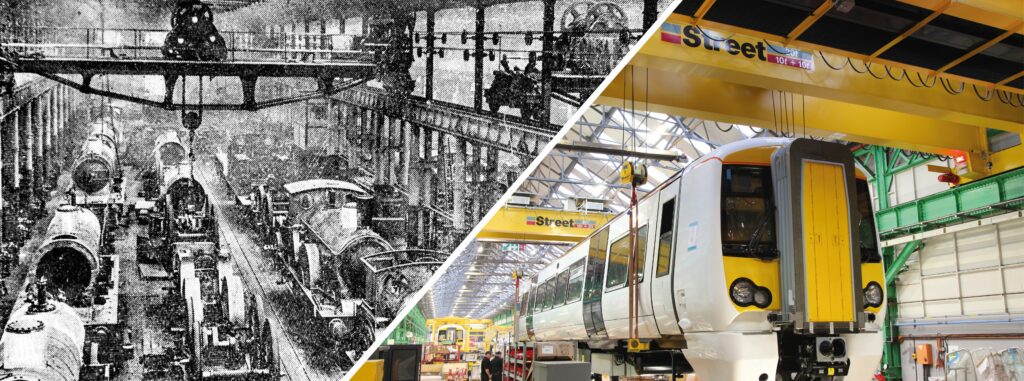
Overhead cranes have played a vital role in industry for centuries, but their importance grew significantly during the Industrial Revolution. As factories, railways, and heavy manufacturing expanded throughout the 19th century, businesses needed reliable ways to move increasingly heavy materials efficiently and safely. Advances in engineering, steel production, and power systems transformed overhead cranes into an essential part of industrial operations.
Today’s overhead cranes are far more advanced than their early counterparts, with many systems now featuring remote controls, automation, and enhanced lifting technology. Despite these developments, the principles of overhead crane safety remain just as important as ever.
Safe crane operation relies on proper planning, operator competence, equipment maintenance, and strict adherence to lifting procedures. When these fundamentals are overlooked, the consequences can include serious injury, damaged equipment, costly downtime, and disruption to operations.
Preparing for a Safe Lift
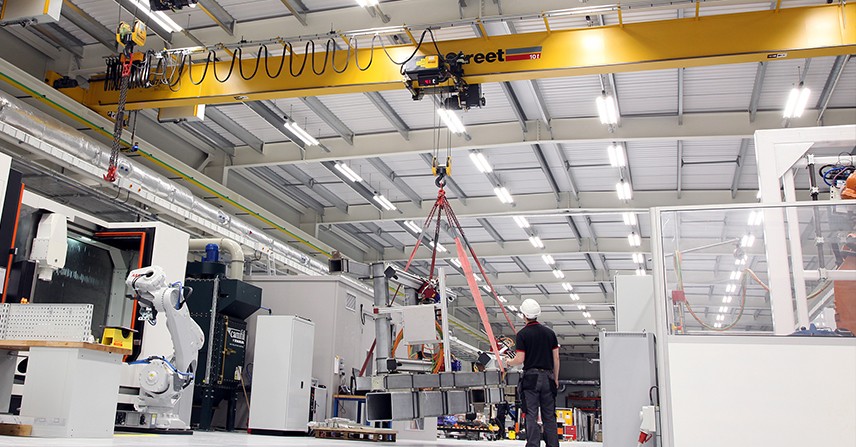
Every safe lifting operation begins long before the load leaves the ground. Thorough preparation is critical to reducing risk and ensuring the lift proceeds smoothly.
Operators should always hold up-to-date training and possess the necessary competencies for the specific crane and lifting activity being undertaken. Proper training ensures operators understand both the equipment and the site-specific risks involved in lifting operations.
A formal lifting plan should also be prepared before work begins. This plan typically incorporates risk assessments, site procedures, and details about the load, travel route, lifting accessories, and safe working limits.
Before lifting, operators should:
- Confirm the load weight
- Ensure the crane’s Safe Working Load (SWL) is suitable
- Select the correct lifting accessories
- Carry out pre-use inspections on the crane and associated equipment
- Walk the planned route and identify any hazards or obstructions
Careful planning helps eliminate uncertainty and creates a safer working environment for everyone involved.
Safe Practices During the Lift
Once lifting operations begin, maintaining control and awareness is essential.
Before travelling with the load, operators should conduct a trial lift to confirm the load is balanced and secure. This simple step can help identify issues before the load is moved through the workplace.
During movement, the load should be transported carefully and steadily while personnel remain informed and clear of the lifting area. Communication between operators, supervisors, and nearby workers is critical throughout the process.
When placing the load, it should be positioned securely so that lifting accessories can be safely detached without remaining under tension or supporting weight.
After the lift is complete, the crane and controls should be safely shut down and left ready for the next authorised operator.
The Golden Rules of Overhead Crane Safety
Strong safety culture relies on consistency. Several core principles should underpin every lifting operation:
- Risk assessments and lifting plans must always be completed before work begins
- Pre-use inspections should be carried out before every operation
- Any faults or defects must be reported immediately and isolated if necessary
- Lifting equipment and accessories must remain within inspection and certification dates
- A crane supervisor should oversee lifting activities and address issues promptly
- Operators must be fully trained and properly briefed for each crane and lifting task
These measures help reduce the likelihood of accidents and ensure compliance with lifting regulations and workplace safety standards.
The Importance of Ongoing Training
Even experienced operators benefit from refresher training and continued professional development. Modern lifting environments can present complex challenges, and training helps reinforce best practices while improving operational confidence.
Dedicated overhead crane training courses provide practical guidance on safe lifting techniques, equipment operation, hazard awareness, and compliance responsibilities. They also help businesses strengthen workplace safety standards and improve operational efficiency.
Experience Matters in Crane Safety
With decades of experience maintaining and servicing overhead cranes and lifting equipment across multiple industries, experienced engineers often play a key role in preventing incidents before they occur.
Routine inspections and servicing help identify minor faults early, preventing them from escalating into major safety risks or costly downtime. Combining technical expertise with operator training creates a safer and more reliable lifting environment.
Ultimately, overhead crane safety is about more than compliance. It is about protecting people, safeguarding equipment, maintaining productivity, and ensuring lifting operations are carried out efficiently and responsibly every single day.
For more information on Overhead Crane Safety: Must-Know Rules and Best Practices for Safe Operation talk to Street Cranexpress Ltd