 Get Listed


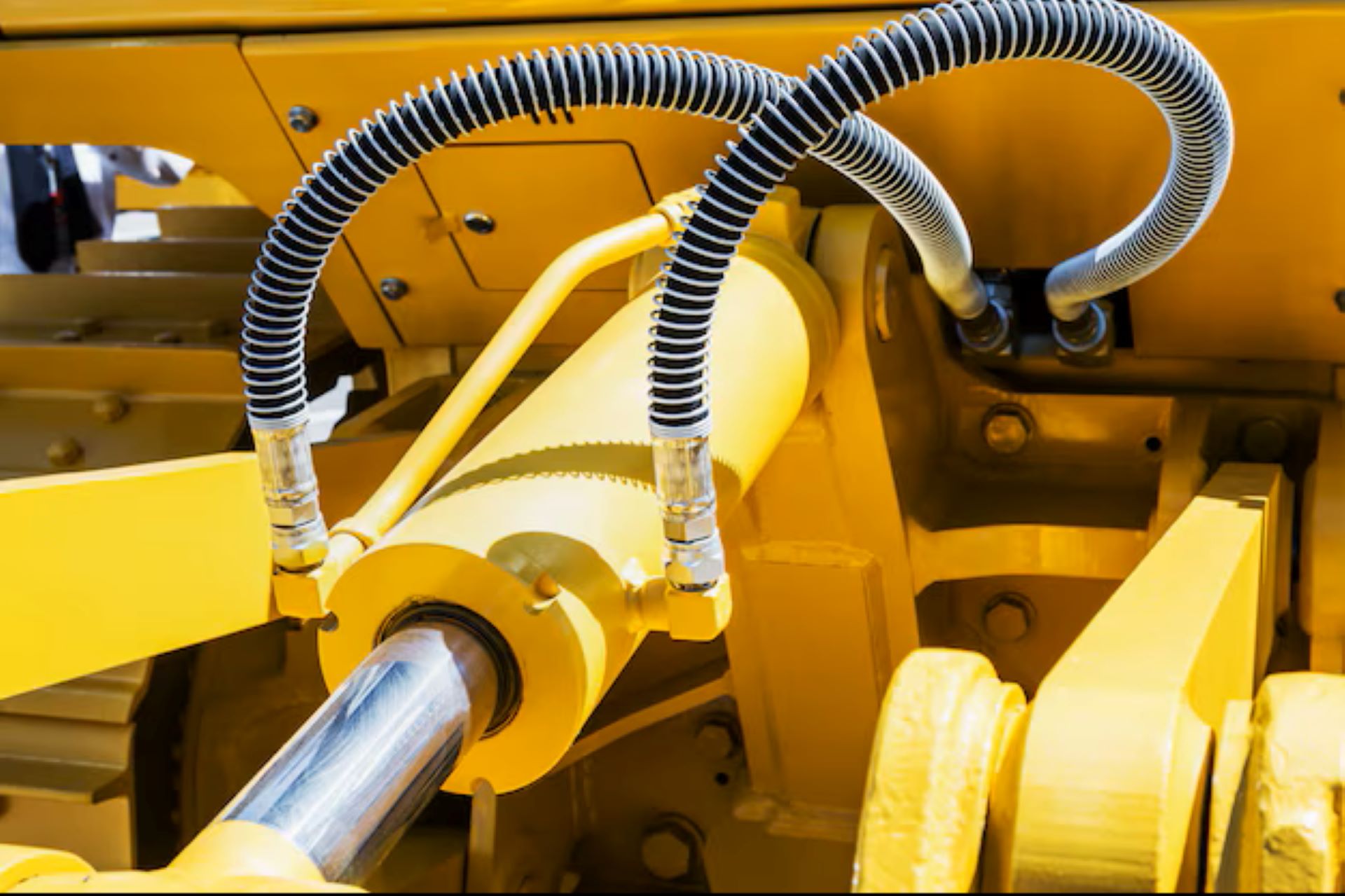
Why Hose and Couplings’ Lifespan Is Costing You Money
Hydraulic engineers spend a lot of time getting flow rates, pressure settings and control logic right. That is as it should be. But many systems that look perfect on paper keep failing in the same place: the hose and couplings. When those assemblies do not last, you pay for it in ways that are easy to miss until something stops.
A failed hose is rarely just a new part and a quick swap. It often means:
Unplanned downtime while people stand around waiting
Emergency call-outs that throw maintenance plans in the bin
Oil clean up, disposal and housekeeping work
Lost production and stressed operators
The catch is that hose and couplings rarely fail from a single big overload. They usually age quietly, then give up at the worst time, often when machines work longer hours in late spring and summer. Higher ambient temperatures, hotter oil and longer shifts all expose weak points in assemblies.
We see this often as a specialist supplier of hydraulic pipeline products in the UK. When hose and couplings are correctly specified, assembled and replaced on a planned basis, service life increases and costs drop. The trick is to pay more attention to how they age, not just what pressure they hold on day one.
The Hidden Enemies Shortening Hose Service Life
Hoses may look tough, but they work hard. Several slow and quiet enemies are always attacking them.
Temperature is a big one. In many outdoor or mobile applications, hoses face:
Daily hot and cold cycles that make rubber expand and contract
UV exposure that dries out outer covers and leads to cracking
Ozone in the air that slowly attacks rubber compounds
These effects build up over time. In late spring and summer, when ambient temperatures climb in the UK and machines are out on site for longer hours, hose carcasses run hotter. The inner tube and reinforcement lose strength, and what looked fine in winter can start to bubble, crack or sweat under higher loads.
Fluid itself is another enemy when it is not compatible. Problems include:
Incorrect oil type for the hose material
Additives that attack the inner tube over time
Too much water in the system from condensation or poor storage
Particulate contamination that erodes the inner wall
Even when pressure is inside the stated rating, a hose that is slowly eaten from the inside will not last long. The inner tube hardens, softens or blisters, and you see weeping or blisters near the fittings first.
Then there are mechanical stresses that are easy to underestimate. Engineers might size a hose for pressure and leave it at that, but assemblies live in a moving world:
Micro movements at the fittings when structures flex
Continuous vibration from engines, pumps or tracks
Pressure pulsations from fast-acting valves
Torsion when hoses are twisted during installation or by machine motion
Hose whip where an unsupported hose flicks as it is charged and discharged
These repeated small movements are often more damaging than a single brief pressure spike. Seasonal shifts into warmer and more humid months can increase vibration, movement and oil temperature together, which speeds up the damage.
What Engineers Overlook in Coupling Selection and Assembly
Choosing the right hose is only half the job. The coupling is where most assemblies actually fail. It is easy to treat fittings as simple hardware, but small details matter.
Common issues start with selection:
Using a coupling style that does not match the hose construction
Mixing materials that can set up galvanic corrosion in damp or coastal areas
Incompatible plating or finishes that break down faster outdoors
A poor match creates stress points where the crimp grips too hard, too little or in the wrong place. That can lead to concentrated strain, early leaks, or fitting blow-offs.
Assembly is another weak spot when it is rushed or done without clear guidance. We regularly see:
Wrong insertion depth, so the hose does not sit fully on the stem
Incorrect crimp diameters or wrong die sets
Fittings crimped over twisted hose
Misalignment between ends that forces the hose to bend at the ferrule
No lubrication during assembly, which can damage the inner tube
Poor cleanliness, with grit or metal swarf left inside
Mixing hose and coupling brands without checking they have been tested as a system is risky. Even when threads and sizes match, the grip pattern, ferrule design and impulse life may not. That can also affect any warranty or safety margin the original manufacturer allowed.
A specialist supplier can help with:
Matching hose and couplings as tested systems
Clear assembly instructions and crimp data
Quality control checks and pressure testing
Traceability and documentation for maintenance records
This kind of support turns assembly from a guessing game into a controlled process.
Design Choices That Make or Break Longevity
Even a correctly built assembly will struggle if the design and routing are poor. Hose layout is often treated as an afterthought, squeezed in after steel pipework and structure are fixed, but a few design choices make a big difference to lifespan.
Good routing principles include:
Respecting minimum bend radius and avoiding sharp bends at fittings
Keeping enough straight hose before the first bend out of a coupling
Avoiding twisting, especially between two fixed end fittings
Allowing for full machine movement without stretching or kinking
Clamp selection and placement also matter. Using the right hydraulic pipe clamps in the right places helps to:
Support hoses and tubes at sensible intervals
Dampen vibration before it reaches fittings
Prevent chafing where hoses might rub on steel edges or each other
Avoid point loading the outer cover
Designing for future maintenance is often overlooked. If an assembly is buried behind guards, over other hoses and around sharp corners, people will be tempted to make fast, sub-standard repairs later. Better design includes:
Clear labelling of hoses and connection points
Standardised end connections where possible
Routing that allows removal without stripping half the machine
It is also smart to think about future operating conditions. Systems are rarely frozen in time. Fluids change, temperatures rise as duty cycles increase, and attachments get heavier. Designing hose and couplings with some headroom for harsher conditions helps avoid repeated redesign later.
Smarter Inspection and Replacement Strategies for Peak Season
Waiting for a hose to leak is poor practice. A better approach is to treat hose and couplings like any other critical asset and plan ahead, especially before peak workloads in spring and summer.
A structured inspection regime should include:
Blistering, cracking or abrasion on hose covers
Corrosion or red rust around fittings and adapters
Damaged guards, missing clamps or broken protective sleeves
Oil weeping at crimped joints or thread connections
Hoses that are stretched tight, kinked or rubbing
Relying only on what you can see from the aisle is not enough. Some of the most stressed hoses are hidden. Time-based or cycle-based replacement, guided by:
Manufacturer recommendations
Actual operating severity and duty cycle
Ambient conditions and exposure
is far safer than running to failure.
Simple tools can turn this into a controlled system:
Durable hose tags with ID numbers and installation dates
Digital maintenance logs shared between engineers and operators
Standard checklists for pre-season inspections
Colour coding for high-risk or safety-critical lines
Working with a knowledgeable local supplier in the UK can add another layer of protection. A site survey or audit of existing installations can reveal patterns, such as the same layout causing repeated failures, and suggest upgraded products or better routing that fit planned shutdowns instead of emergency visits.
Turning Hose Assemblies Into a Long-term Asset
Hoses and couplings do not have to be short-life consumables that fail at random. With the right mindset, they become controllable assets. That means:
Better design and routing at the start
Correctly matched, high quality hose and couplings
Careful assembly with clean, documented processes
Planned inspection and replacement, not last-minute fixes
A simple action plan could be:
Audit your current hose and couplings, especially safety-critical lines
Flag assemblies that run hot, move a lot or are exposed to weather
Prioritise these for review before workloads peak in warmer months
Standardise on proven hose and coupling combinations where possible
Put a clear inspection and replacement schedule in writing
At Stauff Anglia, we work with hydraulic engineers across the UK to support this way of thinking. By supplying quality clamps, fittings, steel tubes, hoses, couplings and related accessories, and by sharing practical best practice, we aim to help turn hydraulic hose assemblies from a constant headache into reliable, long-term parts of your fluid power systems.
Get Started With Your Project Today
If you need reliable hydraulic solutions that keep your equipment running safely and efficiently, we are ready to help. Explore our dedicated hose and couplings range to find components matched to your performance and durability requirements. At Stauff Anglia, we can advise on specification, compatibility and supply to support both new builds and maintenance work. If you would like tailored guidance for your application, please contact us and speak to our team.
For more information on What Hydraulic Engineers Miss About Hose and Coupling Lifespans talk to Stauff Anglia Ltd