 Get Listed


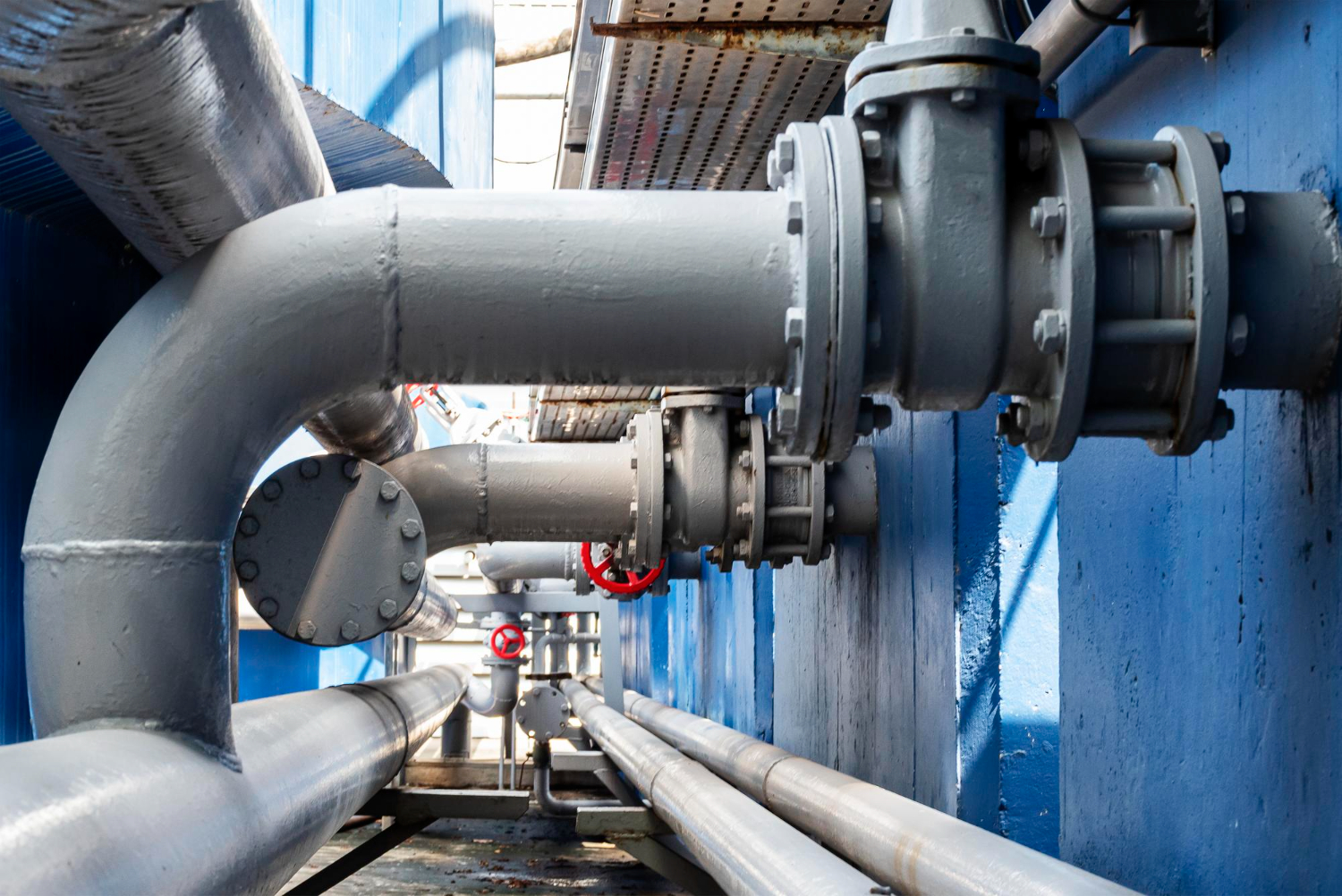
Fire suppression systems only work if the pipework stays in place and intact when everything around it is under stress. Valves, pumps and nozzles often get most of the attention, but the way you support and restrain the pipe can make the difference between a clean, controlled discharge and a system that fails when it is needed most.
In industrial, marine and offshore settings, hydraulic pipe clamp systems help keep firewater, foam or gas suppression lines secure under vibration, heat, shock and corrosion. Here we look at what those clamps actually do, what to look for when specifying them, and how good design can support fire-safe performance and long-term reliability.
Protecting Fire Suppression Lines When It Matters Most
During a fire or explosion on a manufacturing site, power plant or offshore platform, suppression lines are hit by a wave of stress. Pumps start, pressures climb, pipework shakes and nearby equipment heats up. If the pipe is poorly supported, it can move, strike steelwork, crack or leak right when the system needs to deliver.
Hydraulic pipe clamp systems give that pipework:
Mechanical protection against impact and shock
Secure routing so lines cannot whip or vibrate loose
Stable alignment so valves, joints and nozzles stay positioned correctly
Good clamps are as important as the control valves and detection system. When they are specified well, they support fire-safe operation, limit damage, and help meet the expectations of insurers, regulators and internal standards.
Understanding the Demands on Fire Suppression Pipework
Fire suppression pipework on industrial and offshore sites can carry many different media, such as:
Firewater for deluge or sprinkler systems
Water mist for equipment and turbine protection
Foam for hydrocarbon risks
Inert gas or hybrid systems for enclosed areas
These lines face tough conditions, including:
Vibration from pumps, generators, compressors and fans
Pressure surges and water hammer during emergency pump start-up
Thermal expansion and contraction over daily and seasonal temperature swings
Corrosive atmospheres, for example salt-laden coastal air or polluted industrial air
Possible impact loads during an incident or blast event
Standards such as EN and NFPA guidance, plus client and insurer rules, all feed into how you space supports, how much restraint you need and which materials you can use. Clamps are a key part of turning those paper rules into real, physical reliability.
What to Look for in Hydraulic Pipe Clamp Systems
Hydraulic pipe clamp systems are there to restrain movement, isolate vibration and keep pipework in line. They need to work with:
Carbon steel pipe
Stainless steel pipe
Composite or specialised pipe systems
When choosing clamp bodies and inserts, common options include:
Thermoplastic clamp halves for general use
Aluminium clamp halves for higher temperatures or loads
Rubber or elastomer inserts where extra vibration isolation is needed
Hardware choice is just as important. Stainless steel hardware can be the right choice where corrosion resistance is a priority, while coated carbon steel can be suitable in more sheltered or less aggressive environments.
Key performance factors to check include:
Load rating in all directions, not just vertical
Temperature range for both metal and polymer parts
Chemical compatibility with water, foam concentrates or gas
Fire behaviour of polymers, for example resistance to softening or dripping under heat
Proven, consistent quality from established manufacturers such as STAUFF
Designing Clamp Layouts for Fire-Safe Performance
Once you know the clamp type, layout design is where fire-safe thinking really pays off. Good clamp spacing and grouping helps you resist:
Vibration from connected machinery
Water hammer when deluge valves open
Dynamic loads when emergency pumps start
Closer spacing may be needed near pumps, bends, tees and changes of direction, where loads are highest.
It is also important to plan fixed points and sliding points. Fixed points lock the pipe in place and take the main loads. Sliding or guided points allow the pipe to move slightly with thermal expansion without overloading supports or nozzles. Clamp type and insert choice affect how much sliding is possible and in which direction.
Routing and positioning also matter:
Keep pipe away from sharp edges and abrasive supports
Avoid contact with hot surfaces that could heat the media or damage polymers
Maintain clear access for inspection, isolation valves and test points
Make sure clamps and support steel do not block sprinkler heads, deluge nozzles or detectors
A thoughtful layout can improve both fire performance and ease of maintenance.
Corrosion-Resistant and Fire-Safe Materials That Last
On coastal, offshore, chemical and power sites, corrosion is one of the biggest threats to suppression reliability. Under-clamp crevice corrosion is common, because moisture and salts can collect between the pipe and the clamp, slowly attacking even good-grade pipe if the design is poor.
To reduce that risk, specifiers often look at:
316 stainless steel pipe, plate and hardware for exposed areas
Special alloys where media or atmosphere is especially aggressive
High-performance coatings on carbon steel where stainless is not practical
UV-resistant clamp materials that keep strength and colour over time outdoors
Upgrading from standard zinc-plated hardware to more corrosion resistant options can support a longer service life for the whole system. This links directly to lifecycle cost, because better materials can mean:
Fewer leaks at supports
Less frequent clamp replacement
Longer inspection intervals
Higher chance that the system will operate correctly during a fire event
Practical Specification Tips From a UK Hydraulic Specialist
A simple step-by-step approach makes specifying hydraulic pipe clamp systems much easier. A typical process might look like this:
Define the suppression media and maximum pressure
Confirm pipe material, outside diameter and wall thickness
Assess the environment, including temperature range and corrosivity
Set design loads, including static, dynamic and possible blast or impact effects
Select the clamp series, body material, insert type and hardware material
Working with a specialist hydraulic supplier gives you access to product data, CAD models and practical guidance. Support can include clamp spacing suggestions, layout help, stress information and advice on meeting sector-specific fire safety expectations in industrial or offshore settings.
On many UK sites, shutdowns, outages and turnarounds are planned ahead, sometimes around milder spring or summer weather when external work is easier. Aligning clamp specification with those windows helps you tackle fire suppression upgrades when access, scaffolding and isolation are already available, rather than rushing reactive work after a problem appears.
As a UK-based supplier of hydraulic pipeline components, Stauff Anglia supports designers, contractors and maintenance teams with pipe clamps, tube connectors, hoses, flanges and related accessories, along with specialist support in corrosion resistance and fire-safe systems. Taking time upfront to specify clamp systems correctly helps your suppression lines stay secure and ready for the moment they are needed most.
Protect Your Hydraulic Lines With Reliable Clamping Solutions
Choose Stauff Anglia’s hydraulic pipe clamp systems to secure your pipework, reduce vibration and extend the service life of your equipment. We can help you specify the right clamp configuration for new installations or upgrades, whether you are working on a single machine or a full plant. If you would like tailored advice or a quotation, please contact us and we will respond promptly with practical recommendations.
For more information on Specifying Hydraulic Pipe Clamp Systems for Fire Suppression talk to Stauff Anglia Ltd