 Get Listed


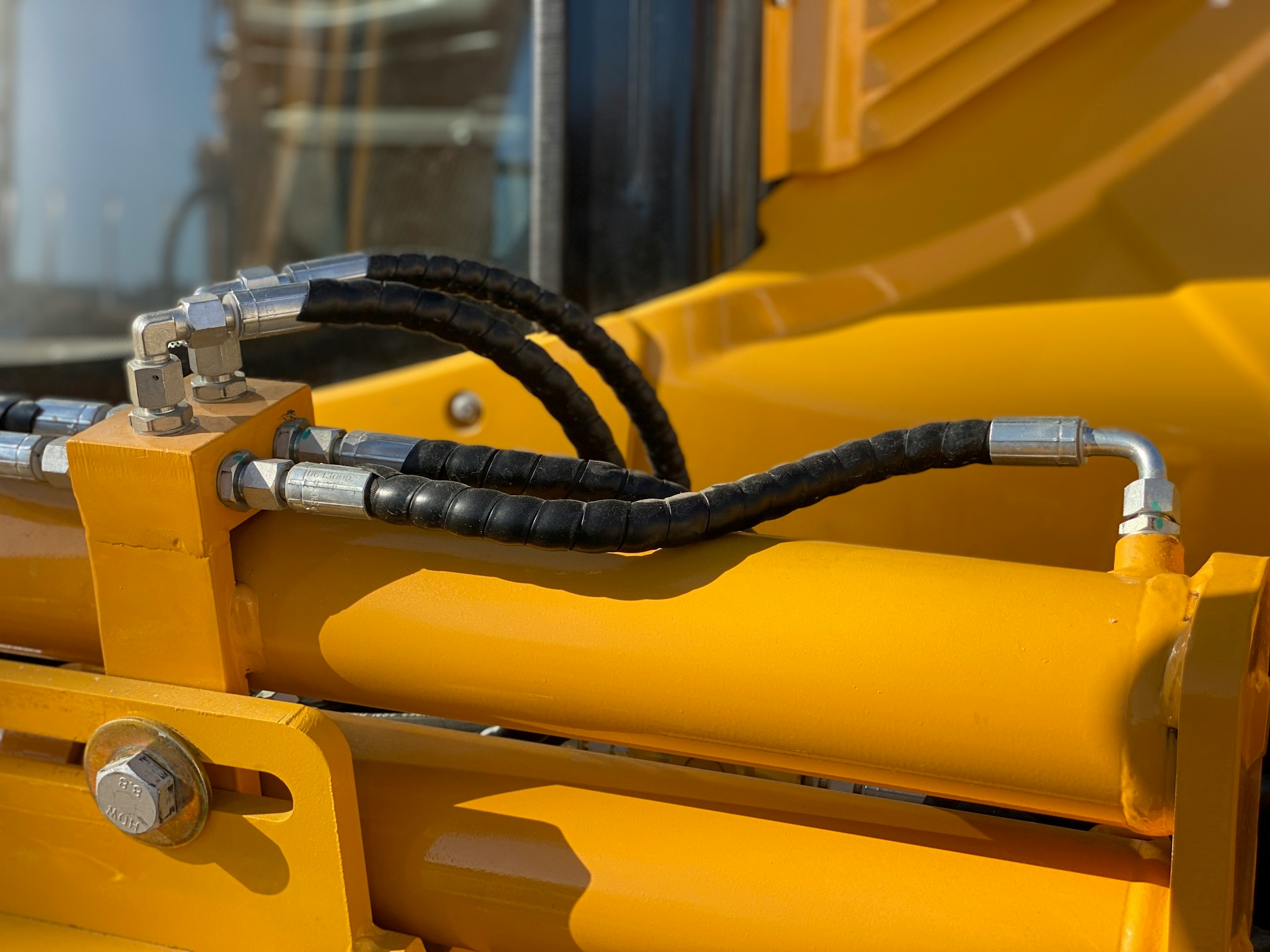
Minimising Downtime From Hydraulic Hose Coupling Blowouts
Hydraulic hose couplings look small, but when one fails it can bring a whole operation to a stop. A single blowout can spill oil, shut down a line, leave a machine stranded in a field and put people at risk. For busy sites and fleets, avoiding that kind of stoppage is just as important as hitting pressure and flow targets.
In this article we talk through why hydraulic hose couplings fail, why it often happens during heavy summer workloads, and what you can do in design, installation and maintenance to cut the risk. We will also look at how a planned response can turn a one-off failure into better standards across your plant or fleet.
Why Hydraulic Hose Couplings Fail at the Worst Time
A hydraulic hose coupling blowout is when the connection between hose and fitting suddenly fails under pressure. The hose can pull out of the ferrule, the fitting can crack, or the crimp can let go. The result is rapid fluid loss, loss of power and a possible spray of hot oil.
Common reasons include the wrong coupling type for the hose or pressure, poor or incorrect crimping during assembly, mismatched hose, fittings and fluid media, and aged or degraded hose covers and seals.
Mobile machines and industrial systems often see tough conditions that speed up failure. These include:
High pressure spikes, for example from fast valve changes
Constant vibration on mobile plant and attachments
Frequent coupling make and break on tools or quick-release lines
Contamination or dirt around the coupling during assembly
External damage from debris, misrouted chains or tight access
From June to September many UK operators in construction, agriculture and material handling run longer shifts and higher duty cycles. Higher ambient temperatures and hotter oil thin the fluid and stress seals. A hose that coped in cooler months can be pushed over the edge when ambient and oil temperatures are higher, machines run longer with fewer breaks, and loads are heavier so pressure peaks more often.
Small warning signs like light weeping at the fitting, a slight twist in the hose or a clamp that has worked loose can quickly grow into a full blowout once the machine is under summer workload.
Designing Hose Assemblies That Resist Blowouts
Stopping problems at the design stage is often the best way to protect uptime. That starts with choosing hydraulic hose couplings that truly match the job, then building in enough margin for real-world conditions rather than ideal averages.
When specifying assemblies, key points include:
Match hose and couplings to working and peak pressure, not just average load
Check compatibility with the hydraulic fluid and any additives
Select a temperature range that covers oil and ambient highs and lows
Consider exposure to UV, dirt, salt, chemicals and impact
Good routing is just as important as good components because poor routing can put huge stress on couplings, especially where hose meets fitting. Aim to:
Avoid torsion, so the hose is not twisted between two fixed points
Keep sharp bends away from the ferrule and respect minimum bend radius
Keep hoses clear of pinch points, hot surfaces and moving parts
Support long runs with clamps and tube supports to limit movement and vibration
Quality components also help couplings stay tight and leak-free for longer. For example, well-designed clamps and tube supports help stop hoses and pipes shaking themselves loose. Thoughtful surface treatments on adaptors and fittings help resist corrosion in damp UK environments, and the right hose cover can stand up better to abrasion and UV.
Technical support is often the missing link. Checking layouts, duty cycles and application details with experienced engineers before peak season can highlight:
Underrated components in high pressure paths
Areas where rigid tube and clamps could replace long hose runs
Opportunities to standardise on fewer fitting types across machines
That kind of design input can prevent a lot of summer breakdowns before they happen.
Installation and Inspection Habits That Prevent Failures
Even the best design will struggle if the assembly and installation are poor. Couplings are especially sensitive to how they are made and fitted, so consistent workshop practice and repeatable checks matter.
Good assembly practice usually includes:
Clean hose cutting to avoid loose rubber and wire in the line
Keeping fittings, hose bores and workbenches clean
Using calibrated crimping equipment and up-to-date crimp charts
Checking insertion depth and crimp diameter for every assembly
Keeping traceability records for hose, fittings and crimp settings
Once in service, regular inspection helps catch small issues before they explode into full failures. Ahead of busy summer shifts, checks might include:
Bulging or blistering near couplings
Weeping or wetness at the fitting or ferrule
Cracked or badly worn outer covers
Loose clamps, bent brackets or misaligned adaptors
Corrosion on metallic parts around the joint
It also helps to watch how the hose behaves in operation, because movement and temperature can reveal problems that a visual check misses. Warning signs include:
Unusual whipping or pulsing of the hose
Knocking noises linked to valve changes or cylinder stops
Local hot spots around couplings
Signs of frequent pressure spikes or water hammer in the system
Planned maintenance intervals, tagging of assemblies and simple records of replacement dates make it easier to change hoses and couplings on time. Logging near misses, such as small leaks or repeated clamp loosening, can also trigger early replacement instead of waiting for a full blowout.
Rapid Response When a Coupling Blowout Happens
Even with good planning, things can still go wrong. When a coupling blows, safety comes first. Steps normally include:
Isolate and stop the machine or section of plant
Depressurise the hydraulic circuit safely
Contain and clean up any spilled fluid to reduce slip and environmental risks
Check for burns, injection injuries or falls around the affected area
Once the situation is safe, a structured diagnostic approach helps avoid repeat failures. It is useful to ask:
Did the coupling type match the hose and duty?
Was the assembly correct, with the right crimp and depth?
Were there signs of mechanical damage, pulling or crushing?
Has the system seen overpressure or unexpected pressure spikes?
Was the fluid compatible with the hose and seal materials?
Downtime is shorter when you have standardised, stocked hose and hydraulic hose couplings ready on site, or are able to get quick supply from a trusted partner. Using common sizes and fitting types across your machines keeps spares simpler and repairs faster when your operation is under pressure.
Every blowout is also a learning chance. Root cause findings can feed into:
Updated design rules and preferred layouts
Approved parts lists and stocking plans
Training for fitters and maintenance teams
Improved inspection and replacement schedules
Partner with Specialists to Keep Hydraulics Running
Reviewing your current approach to hydraulic hose couplings before heavy workloads start can pay off in fewer stoppages and less stress for maintenance teams. It is worth looking at component choices, routing standards, stocking levels, inspection routines and how your team responds when a coupling fails.
As a UK-based specialist in hydraulic clamps, hoses, tube, fittings and accessories, we spend our time helping operators build more reliable connections in tough applications. We support industrial plants and mobile fleets with component selection, layout advice and help with tricky or high pressure circuits, so couplings are less likely to let go when your operation can least afford it.
Get Started With Your Project Today
If you are looking to improve reliability and safety across your hydraulic systems, we can help you specify the right hydraulic hose couplings for your application. At Stauff Anglia, we work with you to match products to operating pressures, media and environments so you can avoid costly downtime. Speak to our team to discuss your requirements or request a quotation, or simply contact us to book a consultation.
For more information on Minimising Downtime From Hydraulic Hose Coupling Blowouts talk to Stauff Anglia Ltd