 Get Listed

Turn Unplanned Hose Failures Into Planned Changeouts
Unplanned hydraulic hose failures are bad news in any plant. In a 24/7 operation, they are worse. One damaged hose coupling can stop a line, leave orders late, and force call-outs at awkward hours. That gets even more painful as demand climbs in the run-up to colder weather, when capacity is already tight.
A better way is to treat hydraulic hose couplings as part of a planned strategy, not just spares on a shelf. When we bring spare-parts planning and standardisation together, we move from firefighting to calm, scheduled work. That matters before any busy season or shutdown, when you want maintenance under control, not chasing the last breakdown.
In this article we walk through a practical roadmap for engineering and maintenance teams. We look at SKU rationalisation, interchangeability, kitting, vendor-managed inventory and safe changeout procedures, and how they all fit together to cut downtime.
Why Hydraulic Hose Couplings Are Your Hidden Bottleneck
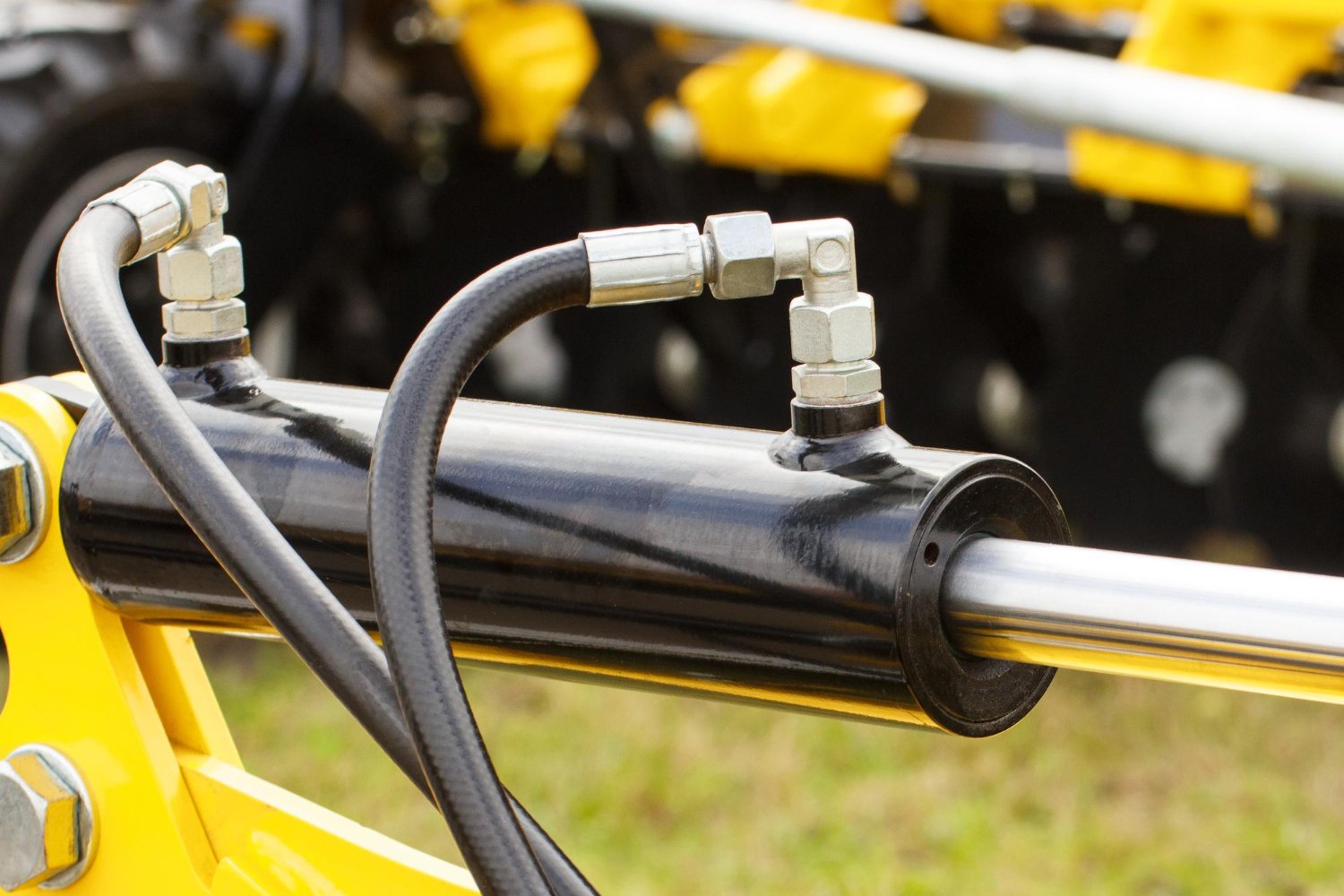
Hydraulic hose couplings often become a quiet problem in the background. Over time, plants add new machines, carry out emergency fixes and accept equipment with different standards. The result is a coupling jungle, with many fittings that look almost the same but do not actually match.
This causes issues such as:
Multiple thread types and seat forms that are not compatible
Different pressure ratings hidden behind similar appearances
Slightly different torque needs for joints that look identical
One odd fitting size that only sits on a single critical asset
In a 24/7 plant, that jungle turns into a bottleneck. Stores are full, but the right coupling is still missing. Fault finding takes longer while teams check sizes and threads. Under pressure, someone may grab a near match, which risks leaks, early failure or a safety incident. Even if the job is done safely, waiting for a rare part can keep production down for longer than it should.
Treating hydraulic hose couplings as a strategic asset, not just a commodity, flips this problem. When the plant relies on a standard, high-quality range that suits the duty cycle, everyone gains. Training is simpler, because there are fewer variations to remember. Safety is easier to control. Maintenance can predict how those couplings behave under continuous use, instead of guessing every time a new failure appears.
Rationalise SKUs and Design for Interchangeability
The starting point is a clear view of what is actually in use. That means a structured audit of hoses and couplings across lines, shifts and key assets. The aim is to spot duplication, rare specials and legacy parts that are no longer needed.
Typical steps include:
Listing all coupling types, sizes, threads and pressure ratings held in stores
Matching each item to real assets and current jobs
Flagging parts with very low usage or that only support old equipment
Identifying where several different fittings could be replaced by a single standard choice
From there, we can build a standard coupling policy. This is a simple set of rules that says what is allowed and where. It usually covers:
Preferred coupling series and size ranges
Approved thread types and sealing forms
Common pressure classes for each part of the plant
Agreed materials and plating based on fluid type and environment
The goal is not to force one fitting everywhere. It is to choose a small, sensible set that covers the plant’s needs, matches OEM requirements and gives as much interchangeability as safety allows. Where a special fitting really is needed, it is clearly marked as such.
The pay-off is felt across the site. Stores are easier to manage when there are fewer SKUs. New technicians learn faster. Faults are found and fixed sooner because teams know what to expect when they open a panel. For groups with more than one site, shared standards allow support between plants, rather than each site building its own private collection of odd parts.
Kitting, Labelling and VMI to Support 24/7 Operations
Once standards are set, we can make life easier for the people on the tools. Pre-assembled hose and coupling kits are a powerful way to do that, especially on assets that carry the most risk if they stop.
Good candidates for kitting include:
Presses, balers and moulding machines on critical lines
Yard or plant vehicles that work outside in harsher conditions
Hydraulic power units that feed several pieces of equipment
A kit might contain pre-made hoses to the right length, with the approved couplings already fitted and capped, plus any clamps or adaptors needed for that area. When something fails on a night shift, the technician takes the kit for that asset, not a guess from a crowded stores area. Diagnosis and pick time drops sharply.
Clear labelling supports this. Simple tools like colour bands, tags or boards can separate couplings by:
Pressure range
Fluid type or contamination risk
Area of the plant or type of machine
Durable labels on both the stored parts and the installed hose help prevent mix-ups. This is particularly useful when seasonal overtime brings in extra technicians or contractors who do not know the plant by heart.
Vendor-managed inventory, or VMI, then keeps this system stocked without tying up too much capital. With a specialist supplier, you agree sensible minimum and maximum levels and highlight critical items and seasonal needs. The supplier monitors usage and triggers top-ups before levels drop too far, including agreed buffers ahead of busy periods. The plant gets better availability and fewer stock surprises, without filling shelves with slow movers.
Standard Changeout Procedures to Cut Downtime Safely
Hardware and stock are only half of the picture. To really cut downtime and keep people safe, changeouts need to follow clear, repeatable steps. Written procedures help here, supported by regular training.
A typical hose and coupling changeout procedure will cover:
Safe isolation and full depressurisation of the hydraulic circuit
Clean working methods, including plugs and caps to keep dirt out
Inspection of mating threads, sealing faces and clamps
Use of the correct, approved replacement parts
Torque values and re-tightening rules where needed
Visual checks and leak tests after restart
For high duty or high temperature areas, it often makes sense to move to a mix of condition-based and interval-based replacement. Instead of waiting for failures, hoses and couplings are inspected at set times and changed before the busy season, based on clear rules. That is especially helpful for plant areas that see lots of cycling, shock loads or contamination.
Training supports all of this. Toolbox talks and short refreshers help technicians to:
Spot early signs of hose and coupling distress
Understand which parts are interchangeable and which are not
Follow cleaning and torque rules, not shortcuts
Record changeouts so patterns and repeat issues can be seen
When everyone understands the standard range and the rules around it, the risk of unsafe or incorrect substitutions drops, and so does avoidable downtime.
Partner with Specialists to Lock in Long-Term Gains
Standardising hydraulic hose couplings and spares is not something that happens once, then never changes. Plants evolve, new machines arrive and duty cycles change. To keep the gains, it helps to work with a specialist partner who understands hydraulic pipeline systems in depth and can support that ongoing review.
A practical first step is to focus on the most critical lines. Start with a coupling audit in those areas, agree a core standard range and then trial kitted, vendor-managed stock for a small group of assets. Measure how that affects response time and downtime. From there, the approach can be rolled out across more of the plant, adjusted as real-world experience builds.
At STAUFF Anglia, we support customers across the UK with hydraulic pipe clamps, hose and couplings, tube connectors, steel tube, flanges and related components. We work with engineering and maintenance teams to define sensible standards, select suitable hydraulic hose couplings and set up the spare parts strategies that keep 24/7 operations running safely and reliably through busy seasons and beyond.
Get Started With Your Project Today
If you are specifying or replacing hydraulic lines, our experts can help you choose the right hydraulic hose couplings for reliable performance and long service life. At Stauff Anglia, we work with you to match hose, fittings and accessories to your exact operating conditions and standards. To discuss your requirements or request a tailored quotation, simply contact us and we will respond promptly.
For more information on Hydraulic Hose Coupling Standardization and Spare Parts Strategy for 24/7 Plants talk to Stauff Anglia Ltd