 Get Listed


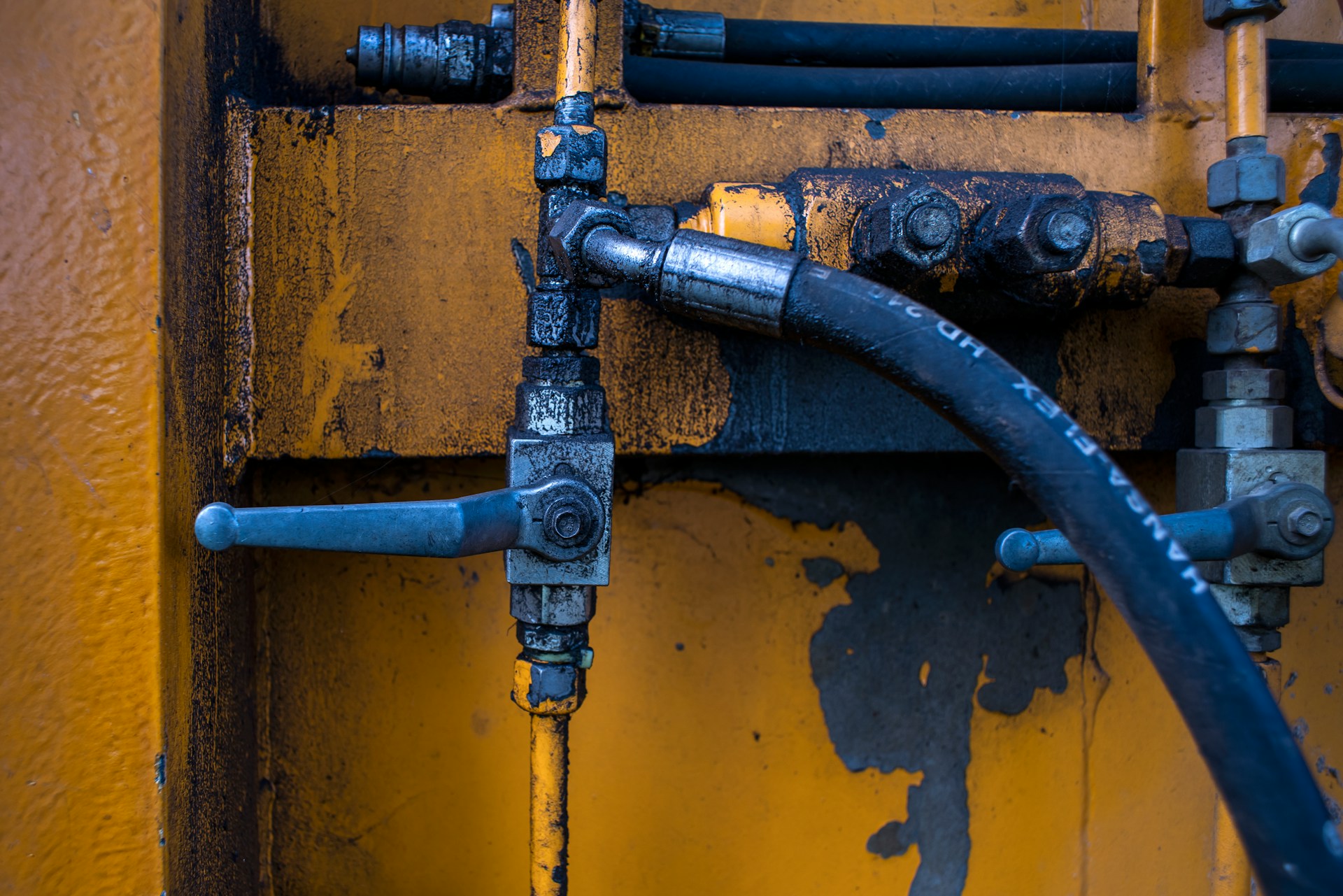
Safety-Critical Hydraulic Hose Coupling Failures in Peak Summer Demand
High-pressure hydraulic systems work hardest when demand peaks. In warmer months, machines often run longer shifts, carry heavier loads and sit in higher ambient temperatures. That extra stress can quickly expose any weakness in hose assemblies, especially around the hydraulic hose couplings.
When a coupling lets go, it is not just an inconvenience. There is a real risk of fluid injection injuries, burns, fire, loss of steering or braking on mobile plant, and serious equipment damage. On busy construction sites, factories and farms, that can also mean missed deadlines and long, expensive stoppages right when output is most needed.
To keep people and assets safe, engineers need a clear view of risk, backed up by practical proof testing and inspection. Working in line with SAE and ISO standards helps turn good intentions into repeatable practice, with clear limits, safety factors and test methods. That is where structured risk assessment, correct component selection and support from experienced suppliers comes into the picture.
Understanding Failure Modes in Hydraulic Hose Couplings
Hydraulic hose couplings usually do not fail without a reason. Problems tend to build up from a mix of design, selection, assembly and operating stress. Common failure mechanisms include:
Incorrect coupling type for the hose construction or pressure rating
Incompatible materials with the fluid or surrounding environment
Poor assembly, such as the wrong ferrule, insert or crimp settings
Over-torqueing threaded connections or under-crimping ends
Pressure spikes, shock loads and surge pressure beyond design limits
Vibration and movement that slowly loosens joints
Misalignment in routed lines that forces the hose to bend or twist at the coupling
Seasonal and environmental factors add another layer. In hot weather, elevated temperatures can reduce the working margin between system pressure and hose rating. UV exposure can accelerate ageing of hose covers, especially on outdoor plant. Dirt, sand, chemicals and moisture can creep into interfaces and seals around couplings, speeding up corrosion and wear. Thermal cycling, from hot running to cooler overnight conditions, can also stress materials and lead to cracks or loss of grip.
It is helpful to separate gradual degradation from sudden failure. Slow issues often show up as small, visible warning signs:
Weeping at the crimp or thread
Micro-cracking of the cover at the coupling
Loss of clamp tension and increased hose movement
Discolouration, swelling or softening of the hose near the end
Sudden failures are different. A hose can pull out of a coupling, a fitting can fracture, or a thread can shear, leading to instant loss of pressure, atomised spray or a high-energy jet of fluid. Both types need attention: gradual problems are early warnings, and if they are ignored, the jump to a catastrophic event can be very fast.
Building a Strong Risk Assessment for High-Pressure Systems
A good risk assessment starts by deciding which hose assemblies and hydraulic hose couplings are safety-critical. These are the lines where a failure could directly hurt someone or cause serious damage. Typical examples include:
Hoses close to operators or service staff
Lines over walkways, platforms or working areas
Assemblies in confined spaces with poor ventilation
Systems carrying flammable, hot or environmentally hazardous fluids
Steering, braking or stabilising functions on mobile equipment
Once those lines are flagged, the next step is to think in terms of likelihood and consequence. This is where engineers consider how the system is used, how hard it is pushed, and how straightforward it is to control hazards during maintenance or repair. Questions to ask include:
What is the normal working pressure and how close is it to the hose rating?
Are there frequent pressure spikes or rapid on/off cycling?
What is the temperature range across the year, and is there radiant heat from engines or process equipment?
Has this system or area seen previous hose failures?
Is there a strong maintenance culture or is inspection more reactive?
How easy is it to safely isolate and depressurise for work?
From there, risks can be graded and actions planned. High-risk lines might need upgraded components, extra guarding or more frequent checks. Lower-risk lines still need care, but inspection intervals might be longer.
Good documentation holds this together. It should cover hose type, size, pressure rating and fluid compatibility, as well as coupling and fitting specifications. It also needs clear traceability for assembly and testing, including the assembly date, assembler identity and any proof test carried out. Finally, it should record inspection dates, findings and follow-up actions, along with records of any failures, including root cause and corrective steps. This record trail supports audits and shows clear intent to work in line with standards and good practice.
Proof Testing, Inspection and SAE/ISO Compliance
SAE and ISO standards give structure to how hose assemblies should be designed, tested and marked. They set out working pressure limits, minimum safety factors, test temperatures and how proof and burst tests should be carried out.
Proof testing helps confirm that a hose and coupling assembly can safely handle its rated pressure. A typical proof test will include:
A controlled ramp-up in pressure to a set multiple of working pressure
Holding that pressure for an agreed time
Checking for leaks, sweating or movement at the coupling
Watching for abnormal bulging, kinking or deformation of the hose
Post-test inspection of crimp integrity, ferrule position and clamp condition
Burst testing, usually done on sample assemblies, shows the point where failure actually occurs. This is used by manufacturers and assemblers to validate that their processes and settings meet the performance levels demanded by SAE and ISO documents.
Standards also cover correct marking of hoses and couplings, assembly methods and crimp data control, and (in some applications) test intervals and requalification rules. They also address storage, handling and shelf life considerations. Working with a specialist supplier means engineers can select components that are designed to work together and meet relevant SAE and ISO classifications, which makes it easier to show compliance during customer or regulatory inspections.
Engineering Safer Systems with Specialist Components and Support
Good engineering decisions start with correct component selection. For hydraulic hose couplings, that means matching:
Hose reinforcement type to pressure and duty cycle
Coupling design to hose construction and application
Sealing materials to the hydraulic fluid and temperature
Plating or material grade to the external environment
Clamps and tube fittings to routing layout and vibration levels
Quality-approved clamps and fittings help reduce the micro-movement that slowly works joints loose. Correctly spaced clamps, mounted on suitable structure, keep hoses and pipes from rubbing, whipping or pulling against hydraulic hose couplings. Over time this can make a clear difference to leak rates and unexpected failures.
As a specialist supplier based in the UK, we work with engineers across sectors like construction, agriculture, manufacturing and transport. That broad view helps us spot recurring failure patterns, suggest alternative layouts and recommend products that suit real-world conditions rather than ideal designs on paper. Support can include guidance on routing practice, torque settings, crimp data, and how to structure a practical inspection regime.
Practical Steps to Upgrade Your Hose Safety Strategy Now
Turning all of this into day-to-day action does not have to be complicated. A simple, focused plan can lift safety and reliability ahead of the next busy period. A practical checklist for site engineers could include:
Carry out a seasonal risk review of hose lines on key equipment
Update hose and coupling registers with any missing data
Flag safety-critical assemblies and give them priority for inspection
Schedule proof testing where appropriate, especially on high-pressure lines
Replace any undocumented, mismatched or visibly damaged assemblies
Review clamp positions and supports to cut unwanted movement
Check that assembly practices match SAE/ISO guidance and OEM instructions
It is also worth reviewing who is allowed to assemble or replace hoses and hydraulic hose couplings. Trained personnel, working with correct equipment and approved components, will usually give far better long-term results than ad hoc fixes on the job.
At Stauff Anglia, we focus on helping engineers design and maintain safer hydraulic and industrial pipeline systems. Through technical advice, quality components and support on selection, we help our customers turn compliance, proof testing and inspection into a long-term safety and reliability strategy rather than a one-off task.
Get Started With Your Project Today
If you need reliable hydraulic hose couplings that match your system requirements, we are ready to help you specify the right components. At Stauff Anglia, our team can advise on compatibility, performance and durability so your hydraulic assemblies work first time. To discuss your project or request a quotation, simply contact us and we will respond promptly.
For more information on Hydraulic Hose Coupling Failures: Risk, Proof Testing, and SAE/ISO Compliance talk to Stauff Anglia Ltd