 Get Listed


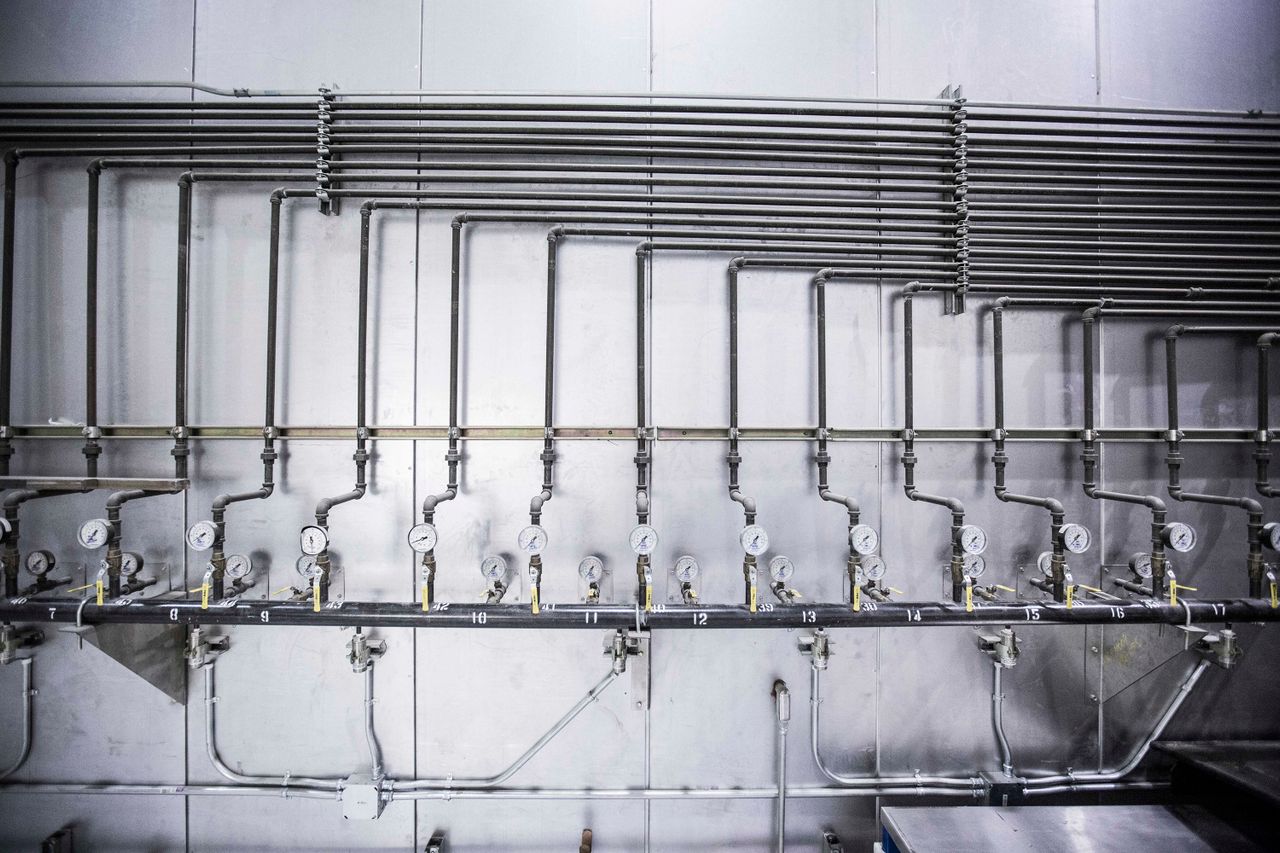
Stop Throwing Away Energy in Your Hydraulic Circuits
Hidden flow losses in hydraulic tubes and fittings quietly eat into output every day. Pumps run flat out, coolers are working hard, yet machines still respond slowly and run hotter than they should. The focus often falls on pumps, valves, and control settings, while the layout of the pipework is left alone for years.
In many UK plants, this shows up most clearly in warmer months. Lines run hot, cycle times slip, and operators complain that equipment feels “sluggish” even though everything is at full power. A big part of the problem often sits in the routing and selection of hydraulic tubes and fittings, not the main components. In this article we look at where those hidden losses come from, how to spot them, and what good layout practice looks like for maintenance and engineering teams.
At Stauff Anglia we work with hydraulic pipe clamps, tube and hose connectors, steel tubes, SAE flanges and related components every day, and we see the same layout problems repeat across different industries. The good news is that small design improvements can bring noticeable gains in energy use, cooling load and reliability.
Where Hydraulic Flow Really Gets Lost
Hydraulic efficiency is not only about pump size or pressure relief settings. Once oil leaves the power pack, the layout of tubes and fittings decides how much of that pressure actually reaches cylinders and motors.
Flow losses usually creep in through a mix of factors such as:
Sharp bends that force the oil to change direction too quickly
Sudden changes in bore size between tubes and fittings
Undersized hydraulic tubes and fittings for the actual flow
Long runs with lots of connectors and adaptors
Every restriction creates extra friction and turbulence inside the line. For example:
Tight 90 degree elbows cause more pressure drop than swept bends with a gentle radius
Chains of adaptors add small internal steps and misalignments that disturb the flow
Quick jumps from a larger tube into a smaller fitting create a jet effect and noise
Poorly aligned flanges can leave lips or offsets inside the bore
All this pressure drop turns into heat. When ambient temperatures are already high and coolers are close to their limit, that added heat load can tip a system into chronic overheating. Oil thins, clearances change, and components wear faster.
A lot of these losses appear after years of quick fixes. A new valve here, a retrofit there, an extra adaptor to join two different standards. Each change seems minor, but over time the system ends up with a tangled route full of hidden restrictions.
Common Layout Mistakes That Drain System Performance
Many hydraulic issues are not due to a single big error, but to several small layout mistakes stacked together.
Typical routing problems include:
Tube runs that are longer than they need to be
Very tight bend radii to “make it fit” in a crowded frame
Crossing lines that make access awkward for maintenance
Poorly supported tubes that move and vibrate under load
Sizing mistakes are also common. Using one tube size across a whole installation might seem simple but often leads to high velocity in some lines and sluggish flow in others. Trying to save space with smaller tubes can result in:
High fluid velocity
Whistling or hissing noise in operation
Extra back pressure on return lines
Fitting choices also make a big difference. Problems often arise from:
Overuse of 90 degree elbows where a swept bend would fit
Mixing different connection standards which means more adaptors
Low-quality fittings that deform and create internal restrictions when tightened
Another quiet problem is poor clamping. Without proper hydraulic pipe clamps:
Tubes can vibrate and fret against each other or against the frame
Micro-leaks may develop at joints
Over time, the tube wall can deform, slightly reducing the internal bore
On something like a press line, you might see a steel tube return circuit that is a bit undersized, runs through several tight elbows, and has very little support. The result is overheating, aerated oil, and slower cycles than the original design promised.
Designing Low-Loss Hydraulic Tube and Fittings Layouts
Good layouts are not about making pipework look pretty, they are about getting flow to where it is needed with as little wasted pressure as possible. A few clear principles help.
Aim for:
The shortest practical flow path between components
Gradual changes in direction with swept bends or gentle tube bends
Correct tube diameter for the target flow and acceptable velocity
Minimal transitions between different fitting types and standards
Early stage planning helps a lot. Using accurate schematics and, where possible, 3D routing around frames, guards and access doors makes it easier to:
Avoid unnecessary loops
Keep service access clear
Standardise hydraulic tubes and fittings where it makes sense
Component choice also matters. Swept fittings, correctly machined SAE flanges, and good-quality steel tubes with a clean internal finish all help to cut turbulence. Small gains at every joint add up across a full circuit.
Clamping practice is a big part of the picture:
Set clamp spacing so tubes cannot sag or resonate
Group lines neatly to prevent chafing and make tracing easier
Use clamp designs that help manage vibration where loads are high
When layouts follow these rules, pumps do not have to work as hard to deliver the same useful pressure at actuators. That can lower energy use, ease the load on coolers, and extend the life of filters, seals and hoses.
How to Spot Hidden Losses in Existing Systems
Most plants already have hydraulic systems in place, so the question is how to find and cut the worst losses without a full rebuild.
Maintenance and engineering teams can start with a few practical checks:
Compare design pressures with actual pressures at cylinders and motors
Look for high differential pressure across specific lines or manifolds
Listen for noisy, high-velocity flow, especially at bends and fittings
Temperature checks are also helpful. Lines that run noticeably hotter than others under similar load may be hiding a big pressure drop. This often shows up most clearly during summer operation when everything is already warmer.
Visual inspections tell their own story. Warning signs include:
Crowded manifolds with lots of short adaptors and elbows
“Spaghetti” tube runs that loop around each other
Long chains of fittings to step between different thread types
Unsupported vertical lines that sway when the system runs
Marks or wear where tubes rub on frames or on each other
Some simple improvements can bring quick wins:
Replace multiple fittings in series with single-piece connectors where possible
Swap tight 90 degree elbows for swept bends if space allows
Upgrade key lines to a larger bore when velocity is clearly too high
Even small changes on high-duty circuits, such as power packs, presses, injection moulding machines or mobile attachments, can bring noticeable gains in machine response and reliability.
Turn Layout Losses Into Measurable Efficiency Gains
Hidden flow losses in hydraulic tubes and fittings do not have to be accepted as normal. With a thoughtful review of tube routing, sizing, fittings and clamping, plants can reduce energy waste, ease summer overheating issues and improve machine behaviour, often without major capital changes.
Focusing first on the circuits that run hardest or run hottest is usually the best use of time. A structured walk-down, backed by pressure and temperature readings, quickly highlights where small layout changes and upgraded components will pay back in lower losses and smoother operation. From our base in the UK, we see daily how better use of hydraulic pipe clamps, well-chosen tube and hose connectors, quality steel tubes and correctly specified SAE flanges can help reclaim performance that many teams assume is gone for good.
Get Started With Your Project Today
For reliable performance and a precise fit, choose our DIN 2353 hydraulic tubes and fittings tailored to your hydraulic system requirements. At Stauff Anglia, we work closely with you to specify the right components, helping to reduce downtime and improve efficiency. Speak to our team today to discuss your next project or request a quotation, or contact us to arrange expert support.
For more information on Hidden Flow Losses From Poor Hydraulic Tube and Fittings Layout talk to Stauff Anglia Ltd