 Get Listed

Hydraulic systems work hard in UK industry, often in tough conditions. When hoses and couplings are not properly protected, they can quickly turn from quiet workhorses into serious safety risks. A small leak can lead to fluid injection, fire, contamination and long downtime, and those are exactly the kinds of incidents that draw attention from the HSE, insurers and demanding customers.
In this article we look at why hoses and couplings come under so much stress, the main options for protecting them, and how good routing and clamping can cut risk at source. We will also touch on inspection, standards and how a clear protection strategy can make audits smoother while keeping people and plant safer.
Protecting People and Plant by Safeguarding Hydraulics
Across UK factories, quarries, construction sites and offshore platforms, hydraulic safety is under closer scrutiny. HSE guidance, insurer expectations and customer audits all tend to ask similar questions: how well are hydraulic risks controlled, and can you prove it?
Hoses and couplings sit at the heart of that conversation because when they fail, the results can be serious. Typical consequences include:
High-pressure leaks and fine jets that can cause fluid injection injuries
Hot oil spray that can ignite on contact with hot surfaces
Slippery floors and contamination of products or the environment
Sudden loss of power, unplanned stops and expensive repair work
One of the fastest and most cost-effective ways to reduce these risks is to protect hoses and couplings so they are less likely to fail in the first place. External protection, good support and clean routing all slow down wear, give operators more time to spot problems and help keep systems running safely, especially in demanding areas like offshore, fire suppression and heavy industry.
Why Hoses and Couplings Fail Under Real-World Conditions
Even the best-specified hose assembly has a hard life once it leaves the stores. Around mid-summer in the UK, certain stresses tend to increase as ambient temperatures rise and working days stretch out. Equipment in construction, agriculture and material handling often runs for longer with less downtime, which means hoses and couplings see more cycles, more movement and more heat.
Outdoor systems are exposed to strong sunlight. UV slowly hardens and cracks hose covers, especially if the rubber is already worn or contaminated. Higher temperatures can also push hoses closer to their maximum rating, so any damage or misrouting has a bigger impact on life.
Mechanical threats are often the biggest problem:
Abrasion where hoses rub against frames, brackets or other hoses
Crushing where mobile plant runs over lines or tools are dropped
Vibration that causes constant micro-movement at couplings
Snagging and pulling when hoses are dragged during maintenance
Chemical and environmental factors add another layer of stress. Offshore systems may see seawater and salt spray, fire suppression circuits can be exposed to special additives and many factories use cleaning chemicals or aggressive oils. These can attack hose covers, corrode couplings and speed up degradation.
All of this means that even correctly rated hoses and couplings will not achieve their expected life if they are left bare, badly routed or unsupported. Protection is not a luxury, it is part of good system design.
Core Protection Options for Hoses and Couplings
The good news is that there are several straightforward ways to shield hoses and couplings from the worst of these threats. The right choice depends on pressure, temperature, environment and how the hose is used.
For abrasion and wear protection, common options include:
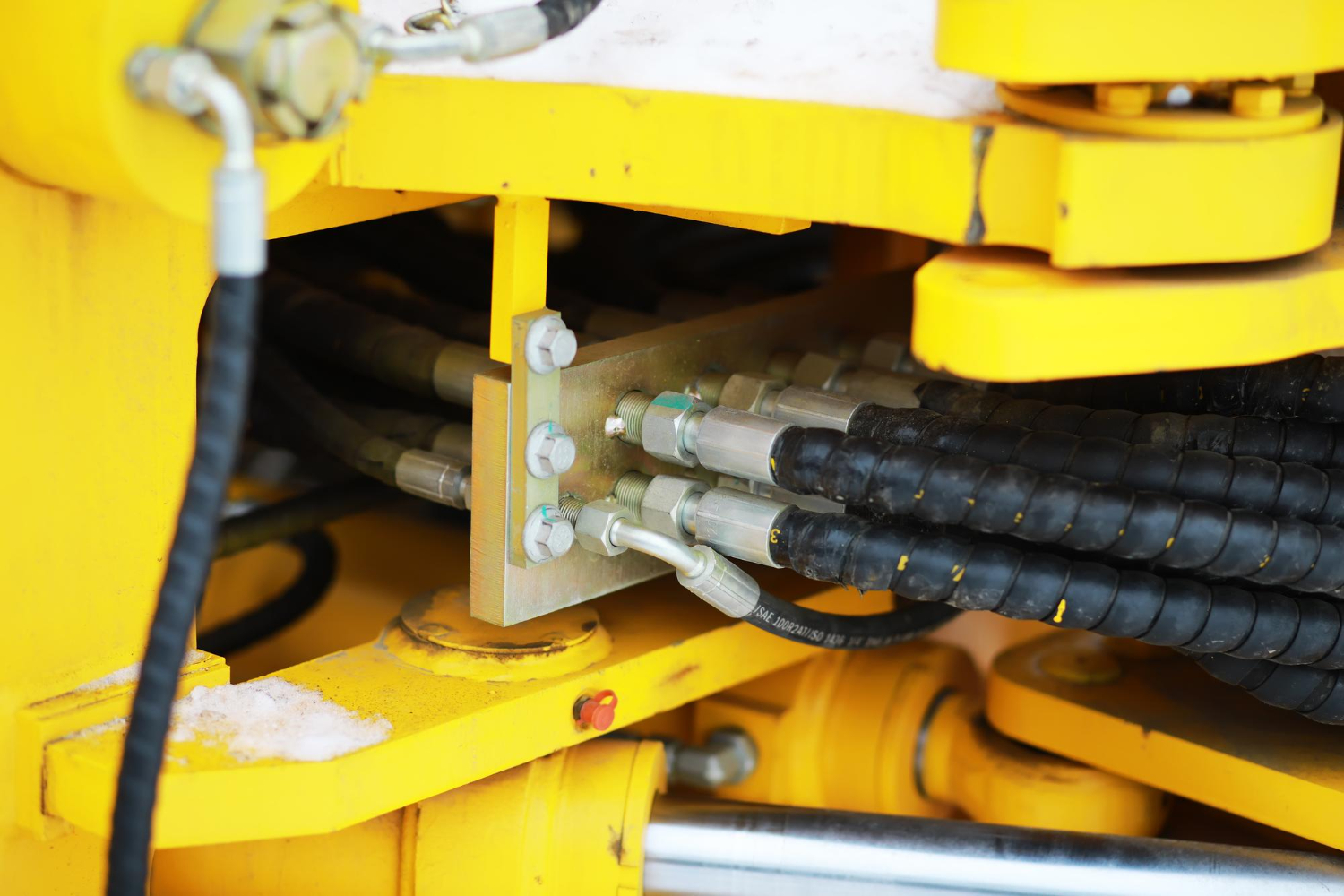
Plastic spiral guards that wrap around hoses and take the rubbing force
Woven textile sleeves that protect against chafing and light impact
Clamps and guides that hold hoses away from sharp edges and corners
These help reduce the chance of a weakened spot turning into a split or burst. In many applications they can add years to hose life.
Containment and safety sleeves focus on what happens if a hose does fail. A properly chosen sleeve can help control fluid spray, direct it away from operators and reduce the reach of a jet. This is especially important near walkways, access platforms or workstations.
Thermal and fire-resistant protection is also common in higher-risk environments. Fire-resistant sleeves are used around fire suppression systems, offshore installations and near hot machinery where a hose failure could feed a fire. In summer, when general fire risk can rise, this type of protection becomes even more relevant.
When choosing any protection, it is important to consider:
Compatibility with hose sizes, coupling types and bend radii
Pressure and temperature ratings of the system
Chemicals, cleaning methods and general environment
How maintenance and inspection will be carried out
Using Clamps and Routing to Reduce Risk at Source
Protection sleeves are only part of the picture. A lot of hose damage can be avoided simply by routing lines correctly and securing them with the right clamps and supports.
Good routing aims to keep hoses and couplings:
Away from hot surfaces like exhausts and heaters
Clear of sharp edges, pinch points and moving parts
Within the recommended bend radius, without tight kinks
Supported so their own weight is not pulling on couplings
Matched clamp systems, tube supports and brackets help achieve this. By fixing hoses and pipes in a controlled way, they reduce movement, limit vibration and cut bending stress at the coupling, where many leaks start. On mobile plant, well-positioned clamps can make a big difference to noise, reliability and operator confidence.
Modular clamp systems are especially useful where several hoses, tubes or instrumentation lines run together. They allow:
Neat multi-line layouts around manifolds and power packs
Easier tracing of lines during fault-finding
Quicker removal and replacement of single hoses
Cleaner separation of high- and low-pressure circuits
In sectors like offshore or fire suppression, tidy clamping and routing are often not just good practice but key to meeting project specifications, client standards and certification requirements.
Inspection, Maintenance and Compliance Made Easier
A protected and well-routed installation is quicker and safer to inspect. Clear visual access, tidy bundles and labelled or colour-coded sleeves help maintenance teams check hoses and couplings without guesswork or excessive stripping.
A practical inspection routine might include checking for:
Cuts, cracks, blisters or bulges in hose covers
Areas where reinforcement is visible or feels soft
Weeping or staining around couplings and adaptors
Loose, corroded or broken clamps and brackets
Sleeves that are torn, heavily worn or soaked in fluid
Relevant British and international standards, along with HSE guidance on hydraulic safety and fluid injection risk, stress the importance of planned inspection and periodic replacement. When protection and clamping are part of that plan, it becomes easier to show insurers, customers and auditors that hydraulic risks are being handled in a structured way.
A documented hose and coupling protection strategy also cuts unplanned downtime. When maintenance teams know what protection is fitted, where it is used and how it should look, they can spot changes early and act before minor wear becomes a major failure.
Partnering with Stauff Anglia to Upgrade Hydraulic Safety
For many sites, the best time to review hose and coupling protection is before peak summer workload. Mobile plant, offshore units and fire suppression circuits all benefit from a fresh look at routing, clamping and sleeves, with particular focus on areas where people work close to pressurised lines.
At Stauff Anglia, we support customers across the UK with hydraulic pipe clamps, hoses, tubes, fittings and related accessories for demanding fluid-power systems. Our team can help with technical advice on selecting suitable protection for hoses and couplings, planning clamp layouts and improving routing so that protection, access and performance are all balanced. By investing a little time and thought into protection now, plant owners can reduce risk, protect people and assets and keep critical hydraulic systems running more safely and reliably.
Get Started With Your Project Today
If you need reliable performance and long-term durability from your hydraulic or industrial systems, we can help you specify exactly the right hoses and couplings for the job. At Stauff Anglia, our team will work with your drawings, operating conditions and timescales to ensure every component is fit for purpose. To discuss your requirements or request a quotation, simply contact us and we will respond promptly with practical solutions.
For more information on Boosting Hydraulic Safety with Hose and Couplings Protection talk to Stauff Anglia Ltd