 Get Listed


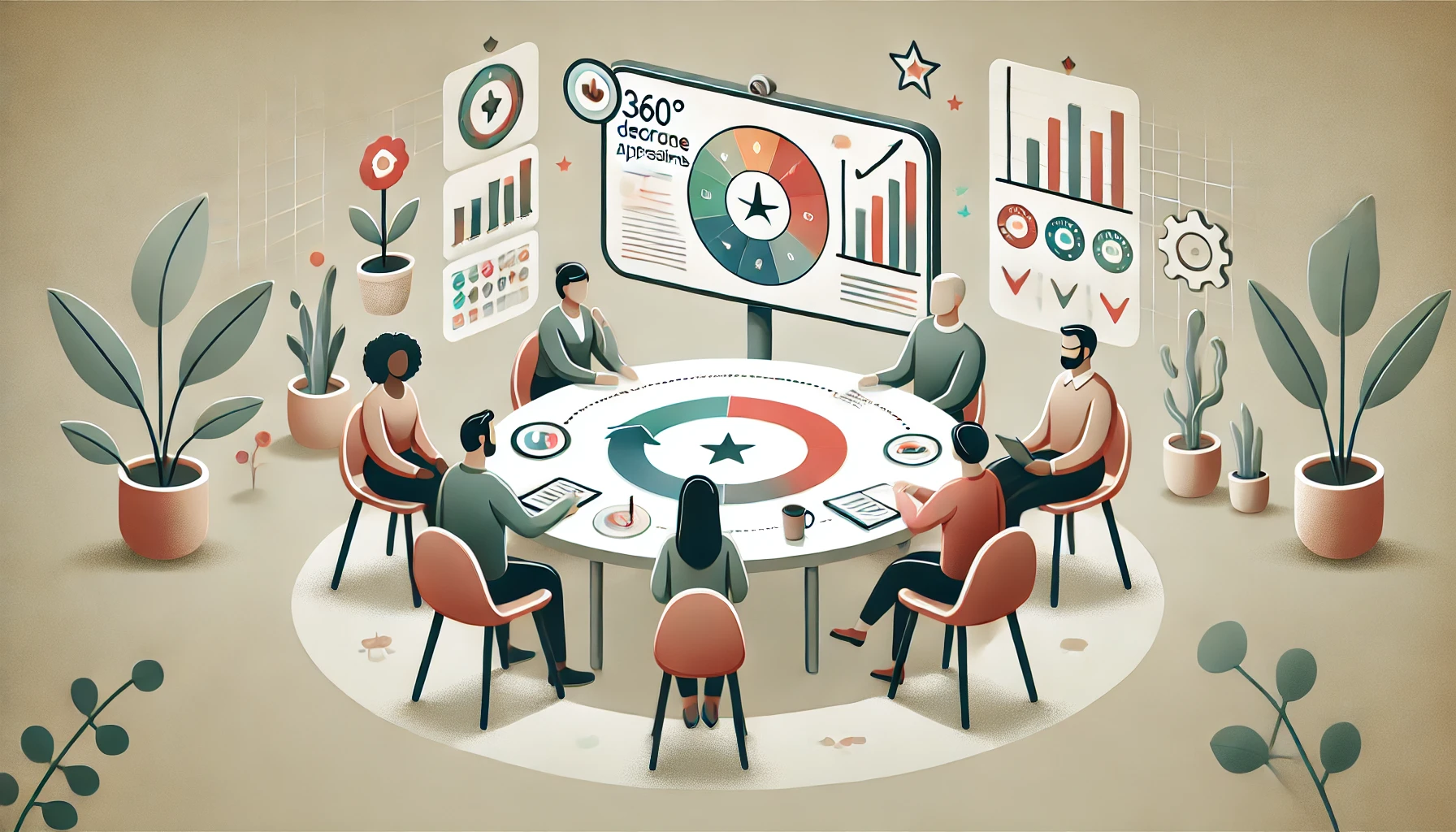
In today’s fast-paced business landscape, organisations need to be agile, adaptable, and committed to continuous learning to remain competitive. Traditional performance reviews often fall short in fostering the dynamic feedback required in such environments. This is where 360-degree appraisals shine—offering a holistic view of employee performance, promoting adaptability, and creating a culture of continuous improvement.
This blog explores how 360 appraisals empower agile organisations to thrive through feedback-driven learning and development.
The Importance of Continuous Learning in Agile Organisations
Agile organisations rely on speed, collaboration, and adaptability to navigate ever-changing markets. Continuous learning is essential for:
Building Resilience: Employees equipped with updated skills can adapt to shifting priorities.
Driving Innovation: Learning fosters creative problem-solving and the ability to implement new ideas.
Enhancing Team Dynamics: Ongoing feedback and skill development improve communication and collaboration.
Example: A technology company that embraces continuous learning can quickly upskill its workforce to adopt emerging tools and methodologies, maintaining a competitive edge.
How 360 Appraisals Fit into the Agile Framework
360-degree appraisals provide feedback from a range of sources, including peers, managers, subordinates, and sometimes clients. This multi-faceted approach aligns with agile principles by:
Encouraging Openness: Agile organisations value transparency and communication, and 360 feedback fosters honest, constructive dialogue.
Focusing on Growth: Unlike traditional reviews that emphasise past performance, 360 appraisals highlight areas for development and future potential.
Promoting Collaboration: Feedback from multiple sources reinforces the importance of teamwork and shared goals.
Key Benefits of 360 Appraisals in Agile Organisations
Identifying Strengths and Weaknesses
Comprehensive feedback helps employees understand their strengths and address areas for improvement.
Teams gain insight into collective capabilities, enabling better resource allocation and collaboration.
Example: A project manager learns through peer feedback that their delegation skills need improvement, allowing them to focus on enhancing this critical competency.
Fostering a Growth Mindset
Agile organisations thrive on adaptability, and 360 appraisals reinforce the importance of learning from feedback.
Employees become more open to experimentation, failure, and iteration.
Pro Tip: Link appraisal feedback to actionable development plans, such as training courses or mentorship opportunities.
Enhancing Cross-Functional Collaboration
Feedback from diverse perspectives encourages employees to break down silos and improve communication across departments.
Teams can identify friction points and work collectively to address them.
Driving Accountability
Receiving feedback from peers and subordinates ensures that employees are held accountable for their behaviour and contributions.
This accountability strengthens trust and commitment within teams.
Implementing 360 Appraisals to Support Continuous Learning
Align Feedback with Organisational Goals
Tailor appraisal questions to focus on skills and behaviours critical to the organisation’s agile objectives, such as adaptability, innovation, and collaboration.
Make Feedback Regular and Timely
Replace annual reviews with quarterly or project-based 360 appraisals to ensure feedback remains relevant.
Example: In a sprint-based workflow, conduct appraisals at the end of each sprint or major milestone to evaluate performance and plan improvements.
Encourage Constructive Feedback
Provide training on how to give and receive constructive feedback, emphasising clarity, specificity, and positivity.
Use frameworks like SBI (Situation, Behaviour, Impact) to structure feedback effectively.
Integrate Feedback with Learning Tools
Connect appraisal insights with learning platforms to offer tailored training recommendations.
Foster continuous learning by enabling employees to access resources directly linked to their development areas.
Ensure a Safe Feedback Culture
Build trust by anonymising feedback or creating safe spaces for open discussions.
Reinforce that the goal is growth, not criticism.
Case Study: 360 Appraisals in Action
A fast-growing software company implemented 360-degree appraisals as part of its agile transformation. Key actions included:
Customising Feedback Criteria: Focused on collaboration, problem-solving, and adaptability.
Quarterly Appraisals: Feedback sessions were aligned with the company’s sprint cycles.
Action Plans: Each employee received tailored development plans based on appraisal insights.
Results:
A 25% increase in team efficiency.
Enhanced employee engagement, with 85% reporting that feedback helped them improve their performance.
Faster adoption of new methodologies, such as DevOps, due to improved collaboration and learning.
Challenges and How to Overcome Them
Resistance to Feedback
Employees may initially feel defensive about receiving feedback from peers.
Solution: Provide coaching on how to process and act on feedback constructively.
Feedback Overload
Collecting feedback from multiple sources can lead to information overload.
Solution: Focus on key themes and actionable insights rather than every detail.
Time Constraints
Regular appraisals can be time-consuming in fast-paced environments.
Solution: Use digital tools to streamline the process and automate feedback collection.
Creating a Feedback-Driven Learning Culture
360 appraisals are a natural fit for agile organisations, offering a dynamic and holistic approach to performance evaluation. By encouraging continuous feedback, fostering collaboration, and focusing on growth, these appraisals help organisations adapt to change and stay competitive in fast-moving industries.
For companies committed to creating a culture of continuous learning, 360 appraisals aren’t just a tool—they’re a mindset. When implemented thoughtfully, they empower employees and teams to reach their full potential while driving organisational success.
For more information on How 360 Appraisals Support Continuous Learning in Agile Organisations talk to SL Conyers and Son Ltd