 Get Listed
Specification for Vacuum Melting
26-02-2026
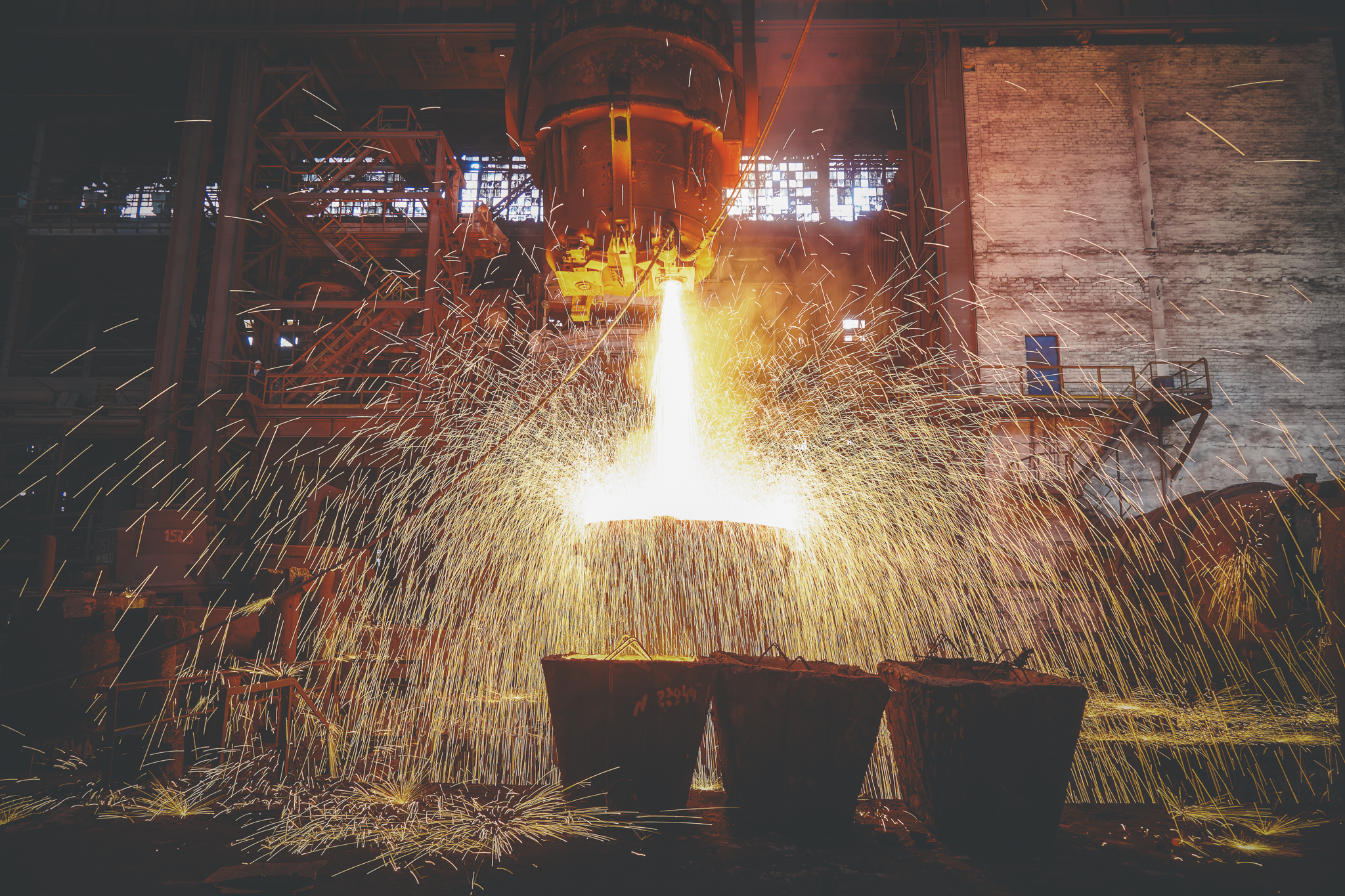
Meeting vacuum melt specifications in aerospace and superalloy recycling relies heavily on the effective washing and degreasing of revert alloys. Materials such as swarf, turnings, chips, and fines routinely carry machining oils, coolants, moisture, and chemical residues that can negatively impact Vacuum Induction Melting (VIM) and Vacuum Arc Remelting (VAR) processes if not removed correctly.
The washing and degreasing systems supplied by Rotajet Systems Ltd are engineered specifically for aerospace and superalloy recycling. High-energy spray washing removes oils and process contaminants from complex swarf geometries, while controlled multi-stage rinsing ensures detergent residues and soluble compounds are fully eliminated. Integrated drying stages prevent moisture ingress prior to furnace charging—an issue also highlighted in the ASM Handbook, Volume 15 (Casting).
A particular challenge in degreasing revert alloys is detergent selection. Many conventional industrial cleaners rely on carbon-based surfactants to emulsify oils. If rinsing is inadequate, microscopic organic residues can remain on the metal surface. Under vacuum melt conditions, these residues thermally decompose, directly contributing to elevated surface carbon and sulphur levels. Research published via NASA’s Technical Reports Server (NTRS) and SAE International confirms the impact of organic contamination on vacuum melting stability.
If you would like to learn more about vacuum melting and the process needed for cleaning and recycling aerospace superalloys, go to: https://degreasingmachines.com/meeting-vacuum-melt-specifications/
If you would like to inspect our full range of spray washers, degreasers and chemicals; go to https://degreasingmachines.com/
Visit Rotajetsystems.com to view our full range of products
For more information on Specification for Vacuum Melting talk to Rotajet Systems Ltd