 Get Listed
How to process Oily Swarf and Turning
13-02-2026
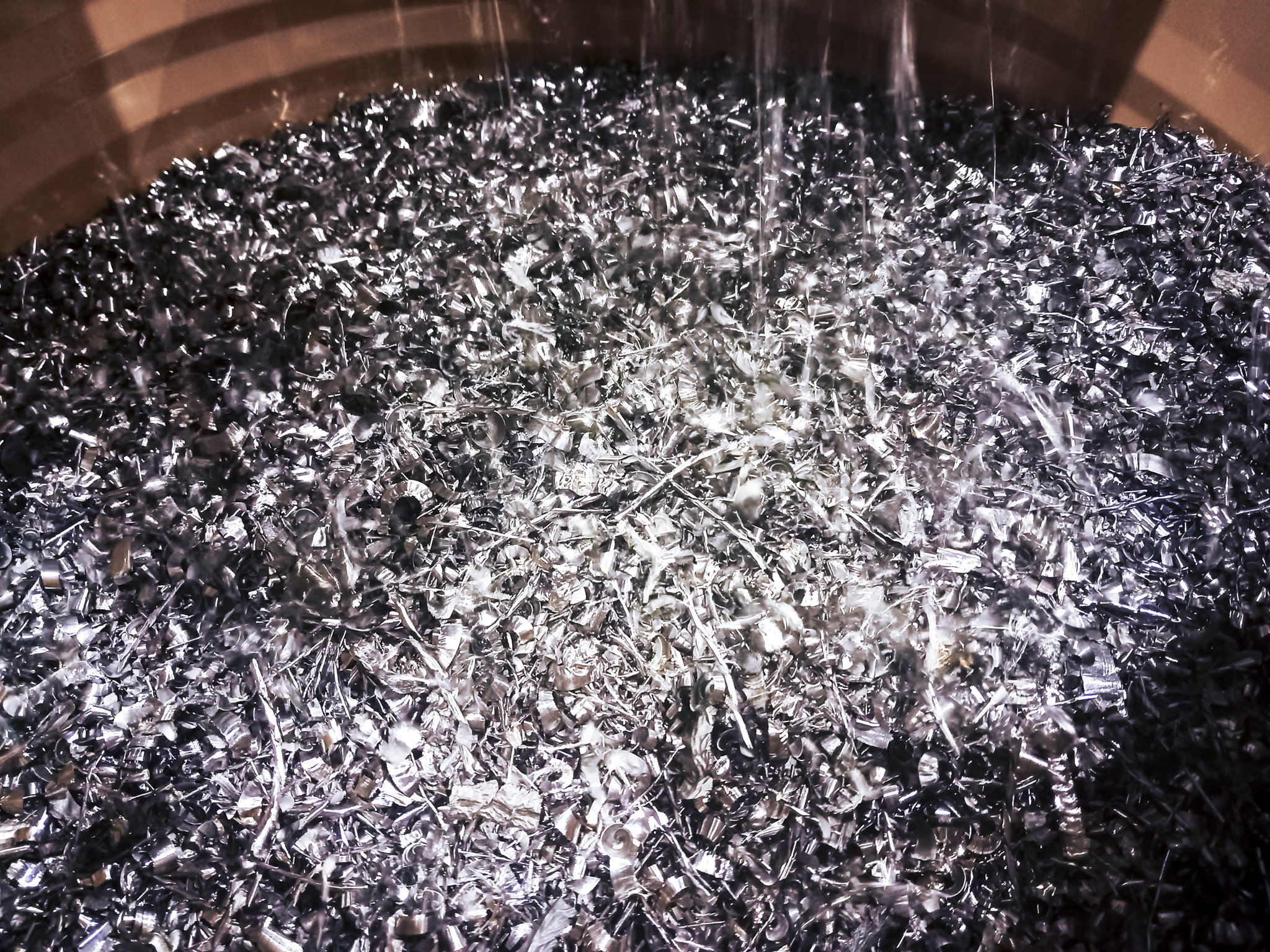
Processing oily swarf and metal turnings is now a critical step in efficient, compliant metal recycling and secondary smelting operations. Across automotive, aerospace, and general engineering sectors, machining processes generate large volumes of swarf contaminated with cutting oils, coolants, and fine particulates. If this material is charged directly into a furnace, the oils burn off during melting, increasing VOC emissions, smoke, odour, and fire risk, while also reducing melt efficiency and metal yield.
For applications where carbon levels and surface cleanliness are not critical, centrifuges are a highly effective and cost-efficient solution. Swarf centrifuges mechanically separate free oils and coolants from metal turnings by high-speed rotation, significantly reducing oil content prior to storage, transport, or melting.
Where carbon content, metallurgical integrity, or contamination control are critical, washing and degreasing systems are typically required. These systems actively wash the swarf, removing bound oils, fines, and residues that centrifuges cannot address. This makes them essential for aerospace alloys, precision castings, and closed-loop recycling streams.
If you would like to learn more about the degreasing process, when it comes to oily swarf and turnings, and the machinery often used in this process; go to https://degreasingmachines.com/processing-oily-swarf-turnings/
If you would like to see our full range of degreasing machines, or the chemicals we can provide for our machines, go to degreasingmachines.com
Visit Rotajetsystems.com to see our full range of products.
For more information on How to process Oily Swarf and Turning talk to Rotajet Systems Ltd