 Get Listed

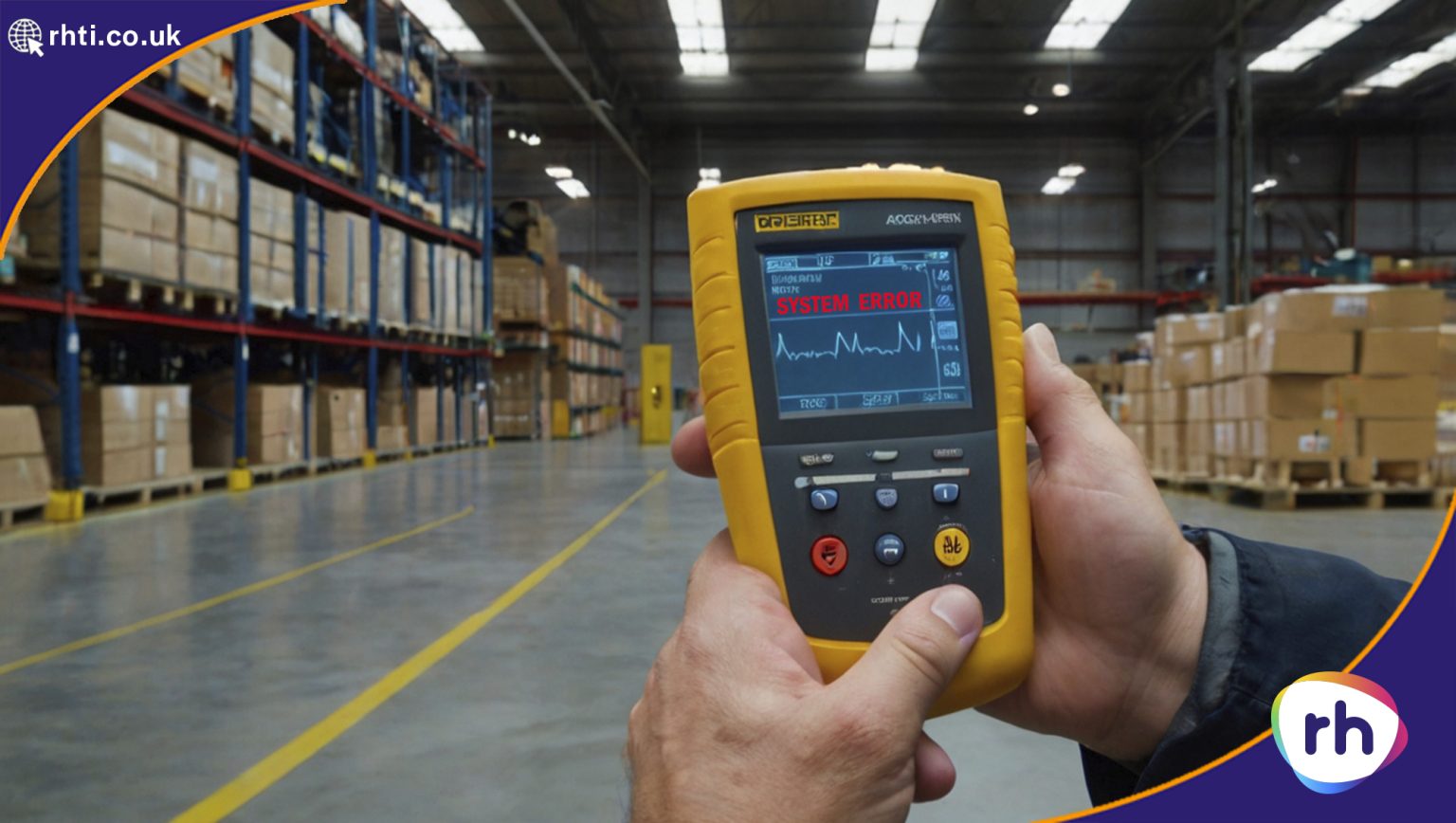
Membrane switches are widely used for their sleek design and low profile, but not all switches are created equal. While it may be tempting to opt for budget options, low-cost membrane switches often introduce problems that outweigh any upfront savings. At RH Technical Industries, we’ve seen first-hand how inferior components can lead to failures, costly product recalls, and long-term damage to your brand reputation.
“Tired of components that let you down? At RH, we make sure quality isn’t an afterthought. We’re experts at spotting and preventing common issues, so your products always perform reliably.”
— Mike Walker, Business Development Manager
Why Quality Matters
Membrane switches might appear to be simple components, but their performance depends heavily on careful engineering and material selection. Common failure points include silver migration, electrostatic discharge (ESD), sealing issues, and material incompatibility—problems that low-cost manufacturing rarely addresses.
At RH Technical Industries, we design and manufacture our membrane switches to withstand demanding environments and extended use, ensuring reliable performance from day one.
Common Failure Points – and How We Prevent Them
1. Silver Migration
In cheaper membrane switches, silver circuit traces are often layered with minimal insulation. In high humidity, silver can migrate and cause electrical shorts.
✔ Our solution: We use multi-layer insulation or carbon jumpers and avoid cross-over layouts with ‘thru-hole’ designs.
2. Electrostatic Discharge (ESD)
Poor design can leave switches vulnerable to ESD damage, especially when the active area lacks protective boundaries.
✔ Our solution: We expand the dielectric perimeter and can include built-in ESD shielding.
3. Seal Integrity
Low-cost switches may use weak adhesives or have poor gasketing, allowing moisture or chemicals to enter and degrade the circuitry.
✔ Our solution: We select adhesives and bonding methods suited to each application and ensure adequate gasketing for a durable environmental seal.
4. Tail Fracture
The connection between the membrane switch and controller is a stress point. Weak or overly long tails can crease or break over time.
✔ Our solution: We reinforce tail exits and optimise routing to reduce strain.
5. Delamination
Poor bonding between the tail and the main body can cause the pressure-sensitive adhesive to shear, exposing the circuitry to contaminants.
✔ Our solution: We use high-performance adhesives and apply strain relief where it matters most.
6. Material Incompatibility
Using the wrong overlay or dome material can cause rapid wear, especially in extreme temperatures or with frequent use.
✔ Our solution: We specify materials that suit each application’s frequency of use and environment—from chemical exposure to extreme temperatures.
7. Adhesive Mismatch
Generic or budget adhesives may fail to bond with inks or surfaces, compromising the assembly.
✔ Our solution: We test all components for compatibility and use application-specific adhesives for maximum longevity.
Trusted Engineering That Delivers Long-Term Value
At RH Technical Industries, we don’t just assemble membrane switches—we engineer them to meet the exact demands of your application. With years of experience, we know where shortcuts are often taken and how to avoid the hidden costs that come with poor design and materials.
Our commitment to robust engineering, quality manufacturing, and environmental resistance ensures that your switches perform reliably, even under pressure. Whether you need a single unit or a high-volume run, we’ll deliver components that last.
Don’t let cheap switches derail your project. Contact RH Technical Industries to explore high-quality, reliable membrane switch solutions built to perform.
For more information on The Unexpected Hidden Cost of Cheap Membrane Switches talk to RH Technical Industries Ltd