 Get Listed


Icons Who Defied Disability
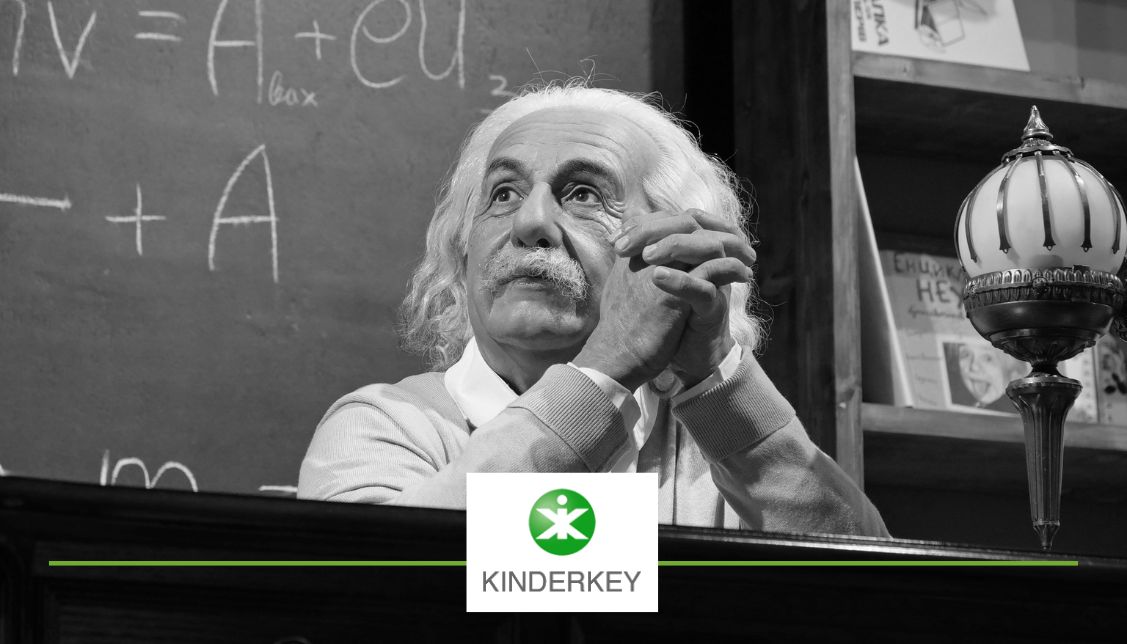
Throughout history, countless remarkable individuals with disabilities have made a lasting impact on the world. From pioneering scientists and composers to politicians and tech innovators, their contributions have shaped societies and inspired generations. Living with a physical or mental health condition has not held them back—instead, these icons have overcome obstacles and seized opportunities to make a difference.
Franklin D. Roosevelt
Franklin Delano Roosevelt, the 32nd President of the United States, held office from 1933 until his death in 1945. A key figure during the Great Depression and the Second World War, he was also the first American president with a physical disability. Diagnosed with polio at the age of 39, he lost the use of his legs and relied on leg braces and a wheelchair. He regularly underwent hydrotherapy at Warm Springs, Georgia.
Roosevelt launched the New Deal to combat the economic crisis and founded the National Foundation for Infantile Paralysis, now known as the March of Dimes. His leadership and resilience left a lasting legacy on both domestic and global affairs.
Steve Jobs
Tech visionary Steve Jobs, co-founder of Apple, revolutionised modern technology. Despite being diagnosed with dyslexia and struggling academically, Jobs went on to lead one of the most successful tech companies in the world. He played a key role in developing game-changing products like the iPhone, iPod and iPad.
Beyond Apple, he founded Pixar, which he later sold to Disney for £5.7 billion, and was known for supporting environmental causes. Jobs’s creativity, communication skills and visionary leadership secured his place as one of the most influential figures in technology, despite early challenges with learning.
Harriet Tubman
Harriet Tubman, a 19th-century abolitionist and social activist, escaped from slavery and helped hundreds of others do the same via the Underground Railroad—a secret network of safe houses in the US. Born into slavery in Maryland in 1822, she sustained a severe head injury as a child that caused lifelong narcolepsy and intense headaches.
Despite this, Tubman led more than 300 enslaved people to freedom. During the American Civil War, she also served as a scout, nurse, guerrilla soldier, and spy for the Union Army—becoming the first African-American woman in US military history to hold such a role.
Albert Einstein
Renowned theoretical physicist Albert Einstein developed the theory of relativity and changed the way we understand the universe. Born in Germany in 1879, Einstein didn’t speak until the age of seven and struggled in school. Today, many researchers believe he may have been neurodivergent, possibly showing traits associated with autism, ADHD or dyslexia.
Despite early academic difficulties, Einstein went on to receive the Nobel Prize in Physics in 1921 and is considered one of the greatest scientists of all time. He once famously said, “Only a life lived for others is a life worthwhile.”
Alexander the Great
One of the most formidable military leaders in history, Alexander the Great was born in 356 BC in Ancient Greece. By the age of 20, he had become King of Macedonia and went on to build a vast empire stretching across the Middle East, Egypt and Asia.
Historians now believe that Alexander may have had scoliosis, a condition that causes curvature of the spine. Despite this, he rode thousands of miles across rough terrain, led his army to numerous victories, and founded cities like Alexandria in Egypt. His military achievements remain legendary, especially when considered alongside his physical challenges.
Thomas Edison
Thomas Edison, born in 1847 in Ohio, changed the world with his inventions. Best known for developing the light bulb and the phonograph, he also invented the motion picture camera and held over 1,000 patents. He played a major role in advancing electrical infrastructure and wartime innovation.
Edison was deaf in one ear and had limited hearing in the other, but this didn’t slow him down. He was known for working incredibly long hours—often forgetting to eat unless reminded. He died aged 84, leaving a remarkable legacy in science and industry.
Ludwig van Beethoven
German composer and pianist Ludwig van Beethoven remains one of the most celebrated figures in classical music. Born in 1770, he began to lose his hearing in early adulthood, but continued to compose some of his most famous works—including Für Elise, the Moonlight Sonata and his Ninth Symphony—while severely hearing impaired.
In a letter to his brother, Beethoven wrote that he would not let his condition stop his artistic career. Later in life, he remarked, “This is the mark of an admirable man: steadfastness in the face of trouble.” His music continues to resonate with audiences worldwide.
A Legacy of Inspiration
These extraordinary individuals remind us that disability is not a barrier to greatness. Whether leading nations, advancing science, composing timeless music, or driving technological innovation, their achievements have shaped history and inspired millions.
There are many others whose lives have made the world a better place—living proof that strength, creativity and courage can thrive under any circumstances.
For more information on Icons Who Defied Disability talk to Kinderkey Healthcare Ltd