 Get Listed

In the liquid packaging industry, selecting the right type of bottle for your filling line can impact everything from sustainability to product quality, to operational efficiency.
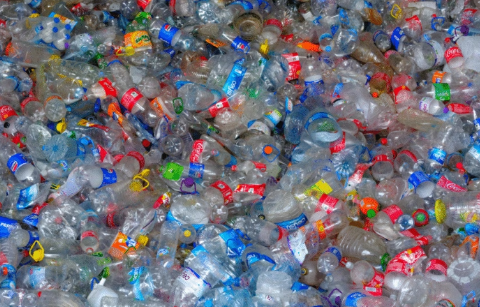
Two of the most common bottle types used today are PET (polyethylene terephthalate) and rPET (recycled PET). With an article from bottld.org estimating that in the uk alone we use around 38.5 million of these bottles every day.
From a regulatory standpoint in the UK, rPET containers with at least 30% recycled content are exempt from the Plastic Packaging Tax, making them a cost-effective and compliant choice for manufacturers. In contrast, PET bottles without sufficient recycled content are subject to the tax, increasing operational costs. As Extended Producer Responsibility (EPR) regulations come into force, brands using rPET can also benefit from a lower environmental footprint and potentially reduced EPR fees. As a result, many companies feet that choosing rPET not only supports sustainability goals but also offers strategic financial and regulatory advantages.
While PET and rPET containers may look identical at a glance, they carry key differences that can affect your entire production process.
Here’s a breakdown of the core differences between PET and rPET bottles, and what you need to consider before choosing one for your filling line.
| Feature | PET (Virgin) | rPET (Recycled) |
| Source Material | Raw petroleum-based plastic | Recycled PET bottles |
| Sustainability | Higher carbon footprint | Lower environmental impact |
| Clarity/Appearance | Clear and glossy | Slightly tinted (usually grey or green hue) |
| Cost | Lower (depending on oil prices) | Can be higher due to recycling process |
| Regulatory Approvals | Universally accepted for food contact | Must meet strict food safety standards |
| Performance | Consistent in strength and shape | May vary slightly depending on source |
When it come to choosing between PET and rPET for your filling line, here are some key factors to consider:
Product Compatibility
- Some beverages (like carbonated drinks) require bottles with higher pressure resistance.
- Ensure that rPET bottles meet the structural and barrier requirements of your product.
Filling Temperature
- Hot-fill processes require bottles that can withstand higher temperatures. Not all rPET bottles are rated for this.
- Confirm with your supplier if the rPET you’re considering is heat-stable.
Clarity and Branding
- If crystal-clear packaging is crucial to your brand identity, note that rPET may have a slight tint.
- Consider how this might impact shelf appeal or consumer perception.
Sustainability Goals
- Many companies are moving toward circular economy models.
- rPET helps meet corporate sustainability targets and may be favoured by eco-conscious consumers.
Cost and Supply Chain
- Virgin PET prices fluctuate with oil markets, while rPET costs depend on recycling infrastructure and availability.
- Availability of rPET may be limited in some regions, affecting your production continuity.
Machinery Compatibility
- Ensure bottle dimensions and wall thickness match your existing filling and capping lines.
- Test both PET and rPET on pilot runs to check for variances in performance (e.g., in sealing, labelling, and filling speeds).
Regulatory Compliance
- For food and beverage applications, rPET must comply with FDA (U.S.) or EFSA (Europe) regulations.
- Ask suppliers for documentation and certifications.
While PET may offer consistent performance and clarity, rPET aligns more closely with sustainability trends and regulatory pressures toward circular packaging.
Before making a switch, karmelle suggest you audit your product needs, evaluate your machinery, and consult your packaging suppliers. A small difference in material can have a big impact on your brand image, environmental footprint, and production efficiency.
Curious about how Karmelle’s machines handle different bottle types? Whether you’re already using our equipment or considering a purchase, we’d love to help. Reach out via our website or email us at enquiries@karmelle.com, we’re here to assist.
For more information on What You Need to Know Before Choosing for Your Filling Line talk to Karmelle Ltd