 Get Listed


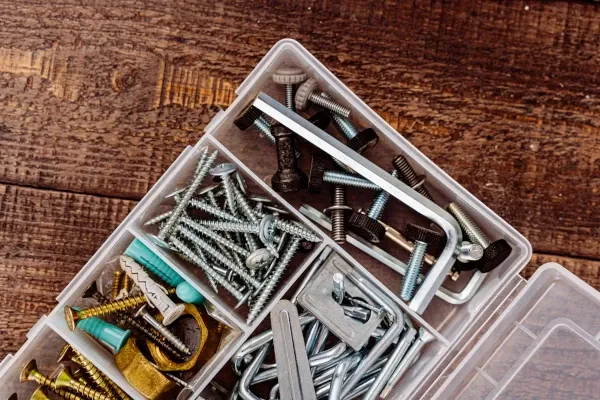
In this week’s post we take a definitive look at security screws and anti tamper fastenings. Read on to learn more about these essential fixings.
Security screws are ubiquitous in modern construction, engineering, and product design. They are unnoticed but widely used in a variety of fastening applications from railway infrastructure and public conveniences to household appliances, transport, public fixtures and much more. Designed specifically to resist tampering and unauthorised removal, security screws and fasteners play an important role in protecting assets, improving safety, and preventing vandalism.
What Are Security Screws and Fasteners?
Security screws are specialised fasteners designed to make removal difficult without the correct tools. Unlike standard screws, which typically use common drive types such as slotted, Phillips, or standard hex, security screws incorporate unique drive designs or structural features that deter tampering.
More broadly, the term security fastener refers to any fastening component intended to prevent unauthorised access or removal. This category includes not only screws, but also bolts, nuts, and other specialised fastening systems.
Security fasteners are often referred to as anti-tamper fasteners or tamper-resistant fasteners. These terms describe hardware specifically engineered to reduce the likelihood that a fastener can be removed using standard tools. In many cases, they require dedicated, specialised driver bits or installation tools that are not widely available.
While some anti-tamper fasteners can be removed with the correct tools, others are intentionally designed to be permanent once installed.
Common Types of Anti Tamper Fastener
A wide variety of security fasteners exist, each designed for specific environments and security requirements. Below are some of the most commonly used types.
Security Torx
Security Torx fasteners resemble standard Torx screws but feature a small central pin within the star-shaped recess. This pin prevents the use of standard Torx drivers.

To install or remove these screws, a matching tamper-resistant Torx bit, with a hole in the centre, is required. They are widely used in electronics, appliances, automotive components, and public infrastructure.
Pin Torx (Star Drive)
Pin Torx, sometimes referred to as tamper-proof star drive, is closely related to security Torx. The drive pattern is the same six-point star design, but again includes a central pin that prevents the use of a standard Torx star drive tool.
Because the driver must have a corresponding recess, these fasteners are frequently used in environments where maintenance access is required but casual tampering must be prevented. Examples include ticket machines, public information displays and equipment access panels.
Pin Hex
Pin hex or security hex fasteners look similar to standard hex socket (Allen) screws but include a central pin within the hex recess. This design feature prevents the use of standard Allen keys.

They are commonly used to secure equipment housings, electrical installations, public fixtures and industrial machinery where a level of tamper resistance is required.
Clutch Head (One-Way Screws)
Clutch head screws, often called one-way screws, are cleverly designed to be installed with a standard screwdriver but extremely difficult to remove.

The head is shaped so the driver can tighten the screw, with a clockwise twist, but will slip when attempting to turn it in the reverse direction. Because of this design, they are commonly used in applications where permanent fastening is desirable such as public convenience fixtures, licence plates and security plates.
Sentinel Screws
Sentinel Screws are a specific form of clutch head security screw.

They are easily tightened using a standard Posidriv type cross-head screwdriver. But can`t be easily loosened or undone due to the clever head design that makes them one-way screws.
Kinmar Bolts
Kinmar security bolts are high-torque, tamper-resistant fasteners designed to protect against theft and vandalism.

They feature a unique, multi-flanged, or smooth, aesthetic head that requires a matching, restricted-access Kinmar driver tool for installation and removal. They are available in both permanent (one-way) or removable (two-way) designs, ideal for high-security applications.
5-Lobe Pin Torx (Security Torx Plus)
This 5-lobe pin Torx fastener features a five-pointed star-shaped recess with a central security pin. Compared with the six-point Torx design, this pattern is less common and therefore more resistant to tampering.

Security Torx Plus fasteners are often used for high-security applications including consumer electronics, automotive components and industrial machinery.
Snake Eye (Two-Hole / Pignose)
Snake eye fasteners, also known as two-hole or pignose screws, feature two small round holes in the head. They require a specialised driver with two matching pins.

Because they are inexpensive and highly tamper-resistant, snake eye screws are widely used in public settings such as elevators, public conveniences and bus shelters.
Shear Nuts and Shear Bolts
Shear nuts and shear bolts are designed to provide a permanent secure fastening solution.
.webp)
During installation, the bolt or nut has a specially designed head that shears off when the required torque is reached, leaving behind a smooth, tamper-resistant surface that cannot be gripped by standard tools.
These fasteners are commonly used in high-security applications such as:
- Vehicle steering column security
- Utility infrastructure
- Public installations
- Anti-theft installations.
Benefits of Security Fasteners
Security screws and fasteners are widely used because they provide a range of practical and aesthetic benefits.
Preventing Unauthorised Access
The primary purpose of security fasteners is to prevent unauthorised individuals from removing panels, opening equipment, or accessing sensitive components. As noted, many security fastener designs require the use of specialised tools which are not commonly available.
Deterring Vandalism
Public infrastructure, such as transport facilities, signage, and bus shelters, is often vulnerable to vandalism. Tamper-resistant fasteners help prevent easy removal of components.
Improving Safety
In many applications, security fasteners help keep safety-critical components in place. This is particularly important in transport systems, electrical installations and machinery.
Protecting Valuable Equipment
Security screws can help safeguard valuable assets by making it more difficult to dismantle or steal equipment.
Controlling Maintenance Access
Because specialised tools are required to remove them, security fasteners allow organisations to control who can access equipment for maintenance or repairs. Only permitted maintenance personnel would be equipped with the correct tools.
Providing Permanent Fixings
Some security fasteners, such as shear bolts, provide a permanent fastening solution, ensuring components remain fixed in place for the lifetime of the installation.
Aesthetic Appearance
Security fasteners, such as two-hole pignose screws, are often used because they not only enhance security, they also improve the appearance of whatever they are fastening.
Using Security Screws for Domestic Applications
While often associated with industrial or public infrastructure fastening requirements, security screws are also very useful in a wide variety of domestic applications.
Sensible, security conscious homeowners often use security fasteners to protect outbuildings, garden equipment, or property features that may otherwise be vulnerable to tampering or theft.
Common domestic uses include:
- Fixing hasps and latches to shed or garage doors
- Securing gates and outdoor hardware
- Preventing removal of outdoor security lights or cameras
- Fastening meter boxes or external access panels
- Securing bicycles, garden furniture, or storage units.
By making it more difficult to remove fixtures or fittings, security screws provide an additional layer of effective security deterrence to opportunistic theft.
How to Remove Security Screws and Fasteners
Security screws are specifically designed to resist removal, particularly by unauthorised individuals using standard tools. However, removal may sometimes become necessary, for example for repairs, maintenance, or equipment replacement.
Some types of security screws are designed to be removable using the correct specialised driver bits. For example, pin Torx or pin hex fasteners can generally be easily removed if the correct tool is used. As noted below, there are a variety of specifically designed driver tools and sockets for each design of security fastener. There is even a handy clutch head screw removal tool.
Some security fasteners are intentionally designed to be permanent, such as shear bolts and one-way screws. When removal is required, several techniques may be used depending on the fastener type:
Cutting a Slot in the Screw Head
A slot can sometimes be cut across the head using a rotary tool or hacksaw, allowing the fastener to be removed with a standard flat-bladed screwdriver.
Using Pliers or Mole Grips
If the head of the fastener is exposed, locking pliers or mole grips can sometimes be used to firmly grip the head and rotate the screw loose.
Breaking the Security Pin
In some cases, the central pin in a security Torx or similar fastener can be carefully broken off, allowing a standard driver bit to be used.
Using Bolt or Screw Extractors
Specialised screw extractors can sometimes be used to remove damaged or one-way screws by biting into the head and turning the fastener out.
Drilling Out the Fastener
As a last resort, the fastener can be drilled out entirely. This involves drilling into the centre of the screw until the head separates from the threaded shaft.
Because security fasteners are designed to resist tampering, removal can be challenging and may require patience as well as the correct tools.
Tools for Security Fastenings
As noted, the various security fasteners, described in this post, require specific tools or driver bits to tighten and loosen the screws. Anyone working with these security fasteners needs to have the right tools in their tool boxes.
For example, Security Torx screws require an appropriate screwdriver, keywrench or driver bit. Or possibly a long shaft security bit that will reach recessed fasteners.
Similarly, there are specific tools that mate with security hex fasteners, along with snake eye screwdrivers and 5 lobe Torx drivers. There is also a useful clutch head screw removal tool that avoids the need to cut or drill out these fasteners. And there is a useful security driver socket designed specifically for Kinmar fasteners.
Essential Security Screws and Anti Tamper Fasteners
Security screws and anti tamper fasteners provide a simple yet highly effective way to protect equipment, infrastructure, and property from tampering or unauthorised access. Available in a wide range of designs, from removable tamper-resistant drives to permanent shear bolts, they are used across industries including transport, manufacturing, electronics, utilities, and construction.
Whether securing public infrastructure, safeguarding valuable equipment, or protecting domestic property, security fasteners offer an additional layer of security protection that standard screws cannot provide. By selecting the right type for the application, installers can significantly reduce the risk of interference, vandalism or theft.
If you have any questions about your security fastener needs, or if you have any special requirements, remember we are here to help. Give us a call on 01273 110405 and we’ll provide you with free, expert advice.
For more information on What Are Security Screws? Benefits, Types and Usage talk to Insight Security