 Get Listed


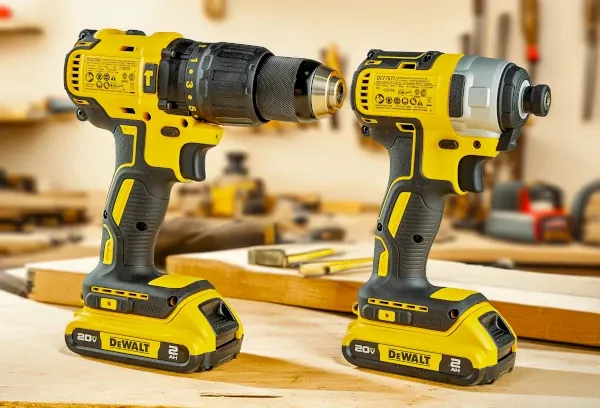
Escalating tool theft has been in the news as more than 80% of tradespeople report they have had tools stolen at some point in their working lives. Read our latest blog post to learn more.
Tool theft has rapidly escalated across the UK in recent years, becoming one of the most pressing and costly issues facing tradespeople. From stolen vans to targeted break-ins, the loss of essential equipment is leaving many workers unable to earn a living, while also placing pressure on police, insurers, and policymakers to respond.
The Scale of the Tool Theft Problem
Recent reporting highlights a sharp and sustained rise in tool theft:
- In London alone, tool theft has increased by around 70% over the past three years, with an estimated £11 million worth of equipment stolen in 2024 alone.
- Nationally, industry research suggests 22% of UK tradespeople have lost thousands of pounds in tools and earnings due to theft.
- Some estimates indicate tens of thousands of tool theft incidents take place annually, with vans being the most common target.
- Police recovery rates remain very low, meaning most stolen tools are never returned.
Recorded crime figures paint a clear picture: tool theft is no longer occasional or opportunistic, it is widespread and increasingly organised. And the true scale of the problem is likely to be far greater as many victims don’t report their losses.
What Criminals Are Targeting
Criminals know there is a buoyant black market for low cost tools and equipment, both in the UK and elsewhere. Established criminal networks enable them to rapidly convert stolen tools and equipment into cash. Here are their favoured targets.
Trades Vans: The Primary Target
Tradespeople’s vans are the most frequent target, particularly when:
- Parked overnight on residential streets
- Left unattended on job sites
- Stored in poorly lit or unsecured areas.
Thieves often gain access by:
- Peeling back van doors (“peel and steal”)
- Drilling locks
- Using electronic key hacking (relay attacks).
Van security is therefore of paramount importance for tradespeople who rely on their vans for both essential transport and secure storage of vital equipment and tools.
High-Value Tools and Equipment
Criminals tend to focus on:
- Power tools (especially cordless tools, such as drills, saws and grinders, from well known brands)
- Specialist trade equipment (e.g. plumbing, electrical, agricultural and construction tools)
- Batteries and chargers (high resale value and easy to transport)
- Diagnostic tools and laser equipment.
These high value, high demand items are easy to resell online or through informal networks, making them particularly attractive.
Opportunistic or Organised?
While some thefts are opportunistic, evidence increasingly points to organised criminal activity:
- Vans are often targeted in clusters within the same area
- Thieves use specific tools and techniques to gain entry quickly
- Stolen goods are rapidly moved through established resale channels, including online marketplaces.
In many cases, criminals appear to know exactly what they are looking for, suggesting prior surveillance or insider knowledge. They use their techniques and van-break-in skills to speedily target multiple trades vans all located in close proximity. It only takes a matter of minutes for experienced criminals to open up a locked van, grab the valuable contents and make their getaway.
Real-World Impact: Case Examples
You only need to look at local press publications and social media pages to discover numerous incidents in which trades people have become victims of unscrupulous tool thieves.
- A self-employed electrician in Manchester lost over £8,000 worth of tools overnight, forcing him to cancel jobs for weeks.
- A plumber in London reported having his van broken into twice in a single month, leading to financial losses exceeding £15,000.
- A carpenter in Birmingham described feeling “constantly anxious,” after losing tools essential for daily work, with insurance covering only part of the cost.
- In one reported case, a tradesperson had tools stolen just hours after purchasing replacements following a previous theft.
These stories reflect a common theme: tool theft doesn’t just cost money it disrupts livelihoods, damages mental wellbeing, and erodes trust.
A widely reported 2026 case highlights how severe the impact can be: A professional decorator lost around £17,000 worth of tools in a single van break-in. He describes his immediate fears that his business was effectively ruined and how he faced uncertainty over whether insurance would pay out. While he did not shut down his business, this case is important because it shows how a single incident can push even an established tradesperson to the edge of closure.
In another case, an established carpenter (40+ years experience) reported that he now refuses jobs in certain high risk areas and will only work where secure parking is available. He has fundamentally changed how he operates day-to-day due to fear of theft. This is a key “soft exit” indicator: not quitting outright, but reducing business scope, which can have the same negative economic impact over time.
In Hertfordshire a multi-trade worker reported how he lost £15,000 worth of tools to thieves. This loss meant he was unable to work and he quickly fell into debt, prompting severe mental health issues. This case shows how the loss of tools immediately means work stops, income ceases and debts inevitably build up, causing a high level of anxiety and stress.
Broader tool theft related data shows that these are not isolated incidents. Tool theft routinely leaves tradespeople unable to work for prolonged periods while essential equipment is replaced. Losses often exceed the value of tools due to:
- Lost contracts
- Missed jobs
- Damage to reputation.
In many cases, income loss exceeds replacement cost, compounding the financial strain. For sole traders and micro-businesses, even short downtime can mean:
- Losing clients permanently
- Failing to meet financial obligations
- Being forced to leave the trade entirely.
The true number of self-employed businesses that cease trading due to tool theft is underreported. Tradespeople are often self-employed, so there is no formal “closure” event. Instead, they:
- Stop taking work
- Move into alternative employment
- Leave the trade altogether
- Or significantly scale back operations.
Devastating tool theft can wipe out years of investment in minutes. For many sole traders, tools are their entire business infrastructure. A single theft can:
- Halt income immediately
- Trigger debt
- Lead to mental health crises
- Force career changes or exit from the industry.
For many tradespeople, losing their tools doesn’t just interrupt work - it removes their ability to earn a living entirely.
Police Response and Recovery Rates
Police forces acknowledge the growing problem but face challenges:
- Low recovery rates (often below 10%)
- Difficulty tracing stolen tools without identifiable markings
- Limited resources to investigate lower-level property crimes.
However, some initiatives are underway. These include:
- Targeted operations in high-risk areas
- Encouraging tool marking and registration schemes
- Collaboration with online marketplaces to disrupt resale.
Police Advice for Tradespeople
Police forces provide some sensible, actionable security recommendations for tradespeople. Here’s what they say:
1. Secure the Van (Physical Security)
- Upgrade Locks: Factory-fitted locks are often vulnerable; upgrade to Thatcham-approved deadlocks or slamlocks.
- Slamlocks vs. Deadlocks: Slamlocks automatically lock upon closing, ideal for frequent deliveries, while deadlocks provide higher security for unattended vehicles.
- Protect Against "Peel and Steal": Install anti-peel kits to prevent thieves from peeling back doors to access the load area.
- Protect the OBD Port: Fit an On-Board Diagnostic (OBD) port protector to prevent thieves from bypassing the immobilizer and coding a new key.
- Use Visual Deterrents: Apply steering wheel locks, gear sticks locks, or pedal guards.
- Window Protection: Use metal internal window grilles or blanking plates to hide contents and hinder access.
2. Protect the Tools Inside
- Empty the Van: The most effective advice is to remove all tools and valuables from the van overnight.
- Use a Tool Safe: If tools must remain, use a secure, high-quality van vault (steel box) bolted to the chassis.
- Mark and Register Tools: Use forensic marking (e.g., SmartWater, SelectaDNA) or engraving to mark tools with your company name, postcode, and house number.
- Register on Immobilise: Register tools for free on Immobilise.com, allowing police to identify recovered items.
- Photograph Your Tools: Keep an inventory of all tools with photos and serial numbers.
3. Strategic Parking
- Block Access: Park the rear or side doors close to a wall, fence, or hedge to make them inaccessible.
- Well-Lit Areas: Choose well-lit, high-traffic areas, preferably within view of CCTV or at a Park Mark-accredited car park.
- Secure Locations: Use a private garage or a securely gated parking area if possible.
4. Additional Precautions
- Watch for Distraction Techniques: Be aware of scammers attempting to distract you while unloading, as they may try to access the van while you are occupied.
- Check for Signal Jammers: Before leaving, check that the van has physically locked. If the fob doesn`t work, it may be due to a signal jammer.
- Key Security: Store van keys in a Faraday pouch to prevent "relay theft" (keyless entry cloning).
- Signage: Consider using stickers indicating that no tools are left in the van overnight, or that the tools inside are marked and tracked.
- Report Everything: Report all theft and attempted thefts to the police (via 101 or 999 for in-progress crimes) and get a crime reference number.

Insurance: Requirements and Limitations
Most self employed trades people understand the importance of being insured. While insurance can help, its vital to be aware of strict conditions that must be met.
Typical insurance requirements include:
- Vans must be locked and secured at all times
- Tools often must be hidden from view
- Overnight cover may require the van to be parked in a secure location
- High-value tools may need to be individually listed.
In practical circumstances, meeting these requirements can be challenging. For example, the need to park vans in secure locations overnight.
Common insurance limitations include:
- Caps on total tool value
- Exclusions for theft from unattended vehicles
- Reduced payouts if security requirements aren’t met.
Tradespeople should carefully review policies and always ensure:
- Adequate tool and equipment value coverage limits
- “Tools in transit” cover
- Overnight protection is included.
It is always worthwhile talking to insurance providers to get sensible advice on van, tool and equipment security and making certain insurance policies provide the cover required.
Government Action
The UK government has acknowledged tool theft as a growing issue. Measures under discussion or development include:
- Stronger penalties for repeat offenders
- Improved regulation of online resale platforms
- Encouraging tool manufacturers to introduce anti-theft technology and tracking
- Support for police-led prevention campaigns.
However, many in the industry argue that more coordinated action is needed.
In 2024 around 300 vehicles from across the UK took part in a Trades United organised van rally, travelling to Westminster to demand tougher enforcement and stronger penalties for the resale of stolen tools. More than 46,000 people have signed a petition, backing the campaign and the ‘Theft of Tools of Trade Bill’ is scheduled for its second reading in May 2026.
How Tradespeople Can Protect Their Tools
Its absolutely clear that tradespeople need to do what they can to ensure their vital tools and equipment remains secure. Preventative measures are essential. The previously listed police recommendations should always be followed. Fundamental best practices include:
Vehicle Security
- Install high-quality deadlocks and slam locks
- Use van alarms and immobilisers
- Fit GPS tracking systems.
Internal Protection
- Use locked internal tool chests
- Install security cages or vaults inside the van
- Separate high-value tools where possible.
Parking and Storage
- Whenever possible, park in a secure, locked garage
- Avoid leaving vans on the street overnight
- If no garage is available:
- Park in well-lit, high-visibility areas
- Back doors against a wall to prevent access.
Tool Identification
Mark tools with:
- Engraving
- UV pens
- Smart water or forensic marking kits
- Register tools on national databases.
Behavioural Practices
- Never leave tools visible in the van
- Remove the most valuable tools overnight whenever possible
- Always lock the vehicle - even for short stops.
What To Do If Your Tools Are Stolen
Sadly, many trades people will be targeted by thieves who will steal their vital tools and equipment and are likely to damage their vehicles. If theft occurs:
- Always report it immediately to the police (obtain a crime reference number)
- Notify your insurance company as soon as possible
- Provide serial numbers, photos, and proof of ownership
- Check online marketplaces for stolen items but do not attempt recovery yourself
- Inform local trade networks and community groups.
Reporting is crucial, not just for claims, but to help authorities track patterns and allocate resources. As previously noted, van break-ins often occur in clusters around specific areas. Reporting these crimes can help police in their investigations.
What Not To Do
It can be very tempting to set ‘traps’ for would be thieves, but these precautions are not recommended.
- Do not attempt to booby trap your van (e.g. electrified handles or hidden weapons). These are illegal and could result in prosecution.
- Also, avoid confronting suspected thieves as this can be dangerous.
- Never neglect insurance requirements, as this may invalidate claims.
There have been cases where individuals attempted DIY security measures that led to legal consequences, reinforcing the need for lawful, professional protection methods.
For example, a man in South Yorkshire (Barnsley) booby trapped multiple properties, resulting in his imprisonment. He used tripwires, explosive devices and even a home-made flamethrower. He claimed the traps were designed to deter intruders and protect his property but police were forced to evacuate over 100 nearby homes due to the dangers presented by his home-made security devices. He was ultimately jailed for seven years.
The bottom line is that Booby traps can legally amount to assault or battery, even if the property owner isn’t present. If a security precaution can result in injury it can potentially get you prosecuted.
Tool Theft is a Serious and Growing Threat
Tool theft in the UK is no longer a minor nuisance, it is a serious and growing threat to the livelihoods of tradespeople. With low recovery rates and increasingly organised criminal activity, prevention is critical.
While police, insurers, and government bodies are beginning to respond, tradespeople themselves remain on the front line. By combining robust security measures, proper insurance, and consistent reporting, it is possible to reduce risk and protect vital equipment.
If you have any questions about trades van security, or other security needs, remember we are here to help. Give us a call on 01273 110788 and we’ll provide you with free, expert advice.
For more information on Tool Theft in the UK: A Growing Crisis for Tradespeople talk to Insight Security