 Get Listed


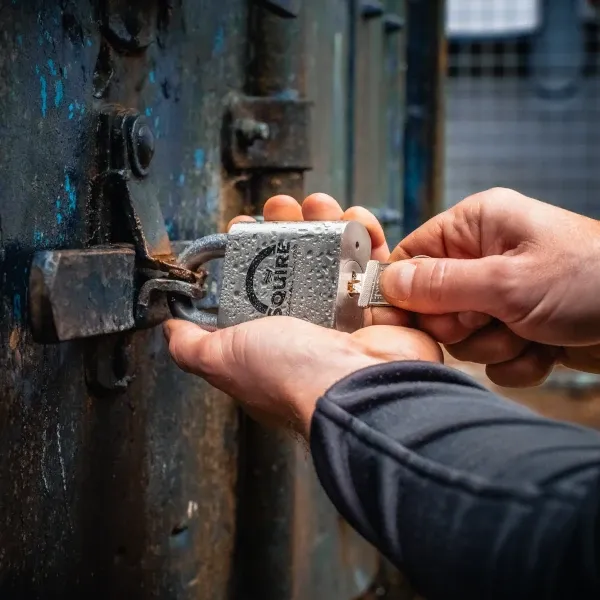
When most people think about padlock failure they imagine bolt cutter attacks or brute force damage. In reality, the biggest long-term threat to a padlock isn’t a thief - it’s the weather. Read our latest blog post to learn what you need to know about padlock selection and maintenance.
What`s Covered in this Post
- The Complex Internal Workings of High-Quality Padlocks
- How Weather Quietly Damages Padlocks
- What Are Weatherproof Padlocks?
- Choosing the Right Padlock to Suit the Environment
- What You Should Not Do: The WD-40 Mistake
- Proper Padlock Maintenance: What You Should Do
- The Cost of Padlock Neglect
- Key Padlock Recommendations
Rain, salt, freezing temperatures, and even daily humidity shifts can quietly destroy the internal components of a padlock long before a problem becomes apparent. Understanding how high-quality padlocks work and how to care for them properly, can dramatically extend their lifespan and reliability.
The Complex Internal Workings of High-Quality Padlocks
High quality premium padlocks, like the widely acclaimed Squire Stronghold range, are far more complex and sophisticated than they appear from the outside. Inside the robust, metal lock body you will typically find:
- Pin tumbler or disc detainer mechanisms
- Precision springs
- Driver pins and key pins
- A cylinder plug
- Ball bearings or locking dogs that secure the shackle
- Anti-drill plates and hardened inserts (in high-security models).
These components are precision engineered with extremely tight tolerances. The pins must align perfectly at the shear line when the correct key is inserted. Even microscopic corrosion, debris, or mineral buildup can potentially disrupt this alignment.
In cheaper locks, internal parts are often mild steel. In high-quality locks, manufacturers may use:
- Brass pins
- Stainless steel springs
- Hardened steel shackles
- Anti-corrosion coatings
- Sealed keyways
But even premium materials and clever weatherproof design features are not immune to prolonged environmental exposure and poor padlock care.
How Weather Quietly Damages Padlocks
Moisture and Rain
Here in the UK we are currently experiencing an exceptionally wet and relentless period of weather, with some areas recording rainfall every day since the start of 2026. Padlocks used in outdoor applications need to withstand this constant onslaught and remain safe and secure.
Water entering the keyway can:
- Corrode springs and pins
- Cause rust expansion that binds internal parts
- Wash away protective lubricants.
Repeated wet/dry cycles accelerate oxidation.
Freezing Temperatures
Wet weather combined with freezing temperatures bring even more hazards that our padlocks need to withstand.
When trapped moisture freezes:
- Ice expands inside the cylinder
- Springs lose elasticity
- Internal components can fracture or deform.
Over time, freeze-thaw cycles can significantly impact padlock reliability.
Salt Air and Coastal Environments
Padlocks are widely used in coastal and marine environments to secure beach huts, boat trailers, gates, doors and much more. These locks not only need to withstand the harsh coastal weather, they also need to cope with highly corrosive salt sea spray.
Salt is especially destructive. It:
- Speeds up corrosion dramatically
- Attacks protective coatings
- Causes pitting on shackles and internal components.
Marine environments are among the harshest for padlocks.
Dust and Industrial Pollution
Many padlocks are used in industrial, construction and agricultural environments. These areas can be dusty and dirty.
Fine dust particles and dirt:
- Mix with lubricants to form abrasive paste
- Accelerate internal wear
- Block smooth internal pin movement.
These issues are common for locks used on construction sites and in agricultural settings.
What Are Weatherproof Padlocks?
Weatherproof padlocks are specifically designed and engineered to resist environmental damage. These locks typically include the following features:
- Sealed or covered keyways
- Rubber or plastic cylinder caps
- Drainage channels
- Stainless steel or brass internal components
- Corrosion-resistant shackles
- Protective outer shells (often plastic or vinyl).
Some high quality padlock models are rated for marine use or tested against salt spray exposure standards.

What They Can Withstand
A high quality weatherproof padlock from a reputable manufacturer can cope with:
- Heavy rain
- Snow and frost
- Coastal exposure
- Temperature fluctuations
- Outdoor UV exposure
However, “weatherproof” does not mean “maintenance-free”. Even the best outdoor padlocks require periodic care.
Choosing the Right Padlock to Suit the Environment
Different environments demand padlocks with appropriate specifications and attributes. There’s a wide range of padlock types, suitable for every security application and level. Some are designed for interior use, where they don’t need to withstand the rigours of our weather. Here are some basic guidelines for padlocks intended for outdoor use:
Residential Outdoor Use (Sheds, Gates, Garages)
Reliably locking sheds, gates and garages requires padlocks that can withstand the impact of our wet weather with robust lock components that will not corrode or deteriorate over time. Here are the primary lock attributes to consider:
- Weatherproof padlock with covered keyway
- Hardened shackle
- Brass or stainless internals.

Coastal or Marine Environments
As mentioned, coastal and seaside environments are amongst the toughest for reliable padlock performance. Salt sea spray along with aggressive coastal weather requires the use of high quality marine grade padlocks with the following attributes:
- Marine-grade stainless steel body
- Fully sealed cylinder
- Non-corrosive springs

Industrial or Agricultural Settings
Industrial, construction and agricultural sites can be dusty and dirty. Padlocks used in these environments must be able to withstand the grime while providing reliable security when subjected to continuous, aggressive use. Here are some basic padlock requirements:
- Dust-resistant design
- Protected shackle
- Frequent maintenance schedule
Temporary or Light-Duty Outdoor Use
Padlocks required for temporary or light-duty outdoor use don’t need to be as tough as those required in more demanding outdoor settings. Nevertheless, it makes sense to invest in high quality padlocks and make certain they are well maintained. Here’s what needs to be considered:
- Laminated steel body with corrosion-resistant coating
- Periodic lubrication
Investing in padlocks that are right for the usage environment is just as important as choosing a reputable brand and the right type of padlock.
What You Should Not Do: The WD-40 Mistake
One of the most common errors is spraying general-purpose penetrating oils into a padlock, such as WD-40. While these products are excellent for loosening rusted bolts, they are not designed as long-term lock lubricants and can actually cause padlock problems.
Here’s why:
- They are water displacers, not precision lubricants
- They leave behind a residue
- That residue attracts dust and grime
- Over time, the lock becomes sticky and clogged.
Initially, after spraying with WD-40 the lock may feel smoother. But weeks later, internal buildup causes worse problems than before.
If you’ve already used a penetrating oil:
- Flush the lock with a proper lock cleaner such as our GT85 Lock Lubricant and Cleaner spray
- Allow it to dry fully
- Re-lubricate with PTFE, graphite or GT85.
Proper Padlock Maintenance: What You Should Do
Even high-quality locks benefit from basic maintenance. Routinely inspecting and maintaining padlocks is essential to ensures a long, reliable life and robust security.
Use the Correct Lubricant
Lubricating padlocks is often overlooked or carried out with the wrong lubricant. The best lubricants for padlocks are:
- Dry PTFE (Teflon) spray
- Graphite powder (for dry conditions)
- Specialist lock lubricants
These products reduce friction without attracting debris. We recommend GT85 Lock Lubricant and Cleaning Spray. This versatile spray can be used to free-up padlocks that have become clogged and stiff to operate as well as providing essential lock lubrication.

These are the padlock areas where lubricant should be applied:
- Directly into the keyway (lightly)
- Onto the shackle
- Into any drainage or exposed moving areas
After applying lubricant, insert and turn the key several times to distribute it evenly.
Graphite Powder Warning
While graphite powder is an excellent dry lubricant for padlocks, it can become a serious problem if it gets wet or is overused in damp, outdoor conditions. When mixed with water, due to rain or high humidity levels, the graphite turns into a thick, black putty-like sludge. This will trap dirt and other abrasive contaminants and accelerate wear and tear on internal lock components. In some cases the graphite sludge can prevent padlocks from operating reliably. Graphite lock lubricant should only ever be used on interior locks that are used in totally dry environments.
Clean Before Lubricating
Keeping padlocks clean helps minimise the risk of clogging up the precision engineered internal mechanism. Padlock cleanliness is an important aspect of how padlocks are used and maintained. Ideally, padlocks should be kept away from dust, mud and grime that can potentially get into the lock mechanism and prevent reliable operation. Cleaning is essential before applying any lubricant.
If a padlock is dirty:
- Blow out debris with compressed air
- Wipe external surfaces
- If a padlock mechanism is clogged it may be necessary to soak the padlock in white vinegar or a dedicated rust remover
- Use GT85 lock lubricant and cleaning spray to clean and lubricate padlock components
- Avoid flushing with water.
Whatever you do, don’t apply lubricant over the top of dirt. Lubricating over dirt traps abrasive particles inside the mechanism which will damage the lock components.
Protect From Direct Weather Exposure
Padlocks used in outdoor locations will inevitably be affected by the weather. But taking care to apply some simple protection measures will extend lifespan:
- Wherever possible, install the padlock under cover. Even partial cover can help prolong padlock life.
- Consider using a weather shield or lock box. Enclosing locks in weatherproof boxes adds a valuable layer of weather protection.
- Position the padlock so the keyway faces downwards.
Even partially shielding a padlock from the weather can dramatically reduce moisture intrusion. High quality waterproof padlocks have keyway covers, but it still makes sense to minimise exposure to moisture whenever possible.
Inspect Periodically
Routine padlock inspection can ensure padlocks remain usable and secure. It makes sense to look for signs or corrosion, grime build-up or moisture ingress every time the padlock is used.
Look out for:
- Stiff key operation
- Discoloration
- Rust around the shackle
- Water inside the cylinder
Addressing issues like these as soon as they are spotted can help prevent the padlock from failing.
Follow Manufacturers Guidelines
Some reputable padlock manufacturers provide user-guides with their padlocks. These guides present valuable recommendations that, when followed, will ensure the padlock will operate reliably, as required. For example, the Squire SS65S user manual includes these sensible recommendations:
- Always handle the padlock and keys with care
- Wipe the padlock body with a clean, damp cloth to remove dirt and grime.
- Periodically apply a small amount of graphite powder or a specialized lock lubricant into the keyway
- Do not bend or force the keys.
As previously mentioned, the manner and environment in which padlocks are used significantly impacts padlock performance. If padlocks are being dropped into mud or immersed in muck and dust, even the best weatherproof padlock would struggle to prevent grime from getting into the internal workings.

The Cost of Padlock Neglect
If you have ever had to deal with a seized padlock you will know how difficult this can be. A seized padlock doesn’t just cause inconvenience. It can lead to:
- Emergency bolt cutting
- Damaged gates or hasps
- Security vulnerabilities
- Replacement costs.
In commercial, industrial or construction settings, padlock failure can disrupt ongoing operations. It therefore makes sense to invest in the right padlocks, use them with care and consideration and carry out routine lock inspection and maintenance.
Key Padlock Recommendations
Weather damage is gradual, silent, and often overlooked. High quality padlocks contain delicate, precision engineered components that depend on cleanliness and proper lubrication to function correctly.
The key principles for long-term reliable padlock performance are simple:
- Choose the right lock for the usage environment
- Protect the padlock from direct weather exposure
- Use the correct padlock lubricant
- Avoid general-purpose penetrating oils
- Periodically inspect and maintain padlocks.
With proper care, a premium weatherproof padlock can last many years, even in challenging outdoor conditions. Small maintenance steps today prevent expensive failures tomorrow.
If you have any questions about your padlock needs, or if you have any special requirements, remember we are here to help. Give us a call on 01273 110390 and we’ll provide you with free, expert advice.
For more information on The Hidden Damage Weather Causes to Padlocks and How to Avoid It talk to Insight Security