 Get Listed


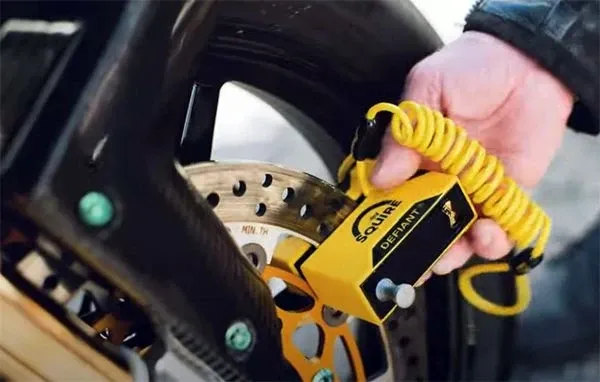
The warm weather means many of us have taken to the roads on our motorbikes and e-bikes. But motorcycle theft continues to be a major worry for bikers. Read our latest blog to learn more.
Motorcycle theft in the UK has shown signs of easing over the longer term with motorcycle and scooter theft rates dropping steadily since 2022. But the latest crime figures suggest there is little room for complacency. While national theft totals remain below the peaks seen in recent years, month-on-month regional increases in some parts of the country show that criminals continue to target vulnerable bikes wherever opportunities arise.
At the same time, a parallel problem is gathering pace in Britain’s cities: the rapid rise in e-bike theft. In London in particular, record theft figures underline how high-value electric bikes have become an increasingly attractive target for organised and opportunistic thieves alike.
A recent BBC investigation has revealed many videos, shared via social media, showing brazen young thieves boasting about their motorcycle thefts and mocking their victims. Figures have showed that more than 50% of those suspected of motorcycle theft in the UK, recorded last year, were under the age of 18. A crime expert described motorbike theft as a game for these youngsters, in which they compete with one another.
For riders, commuters and bike owners, the message is clear: theft trends may shift regionally, but security remains as important as ever.
Inconsistent Long Term Decline
Recent motorcycle theft data, analysed by Bennetts BikeSocial, shows that overall UK theft figures remain below the levels recorded in 2022 and 2023, suggesting that the national trend has moderated over the longer term.
While this is clearly positive news for riders, its important to be aware that the headline figures only tell part of the story.
Motorcycle theft rates are not evenly distributed across all regions of the UK. Month-on-month data continues to show notable regional fluctuations, with some police force areas seeing evident increases, even when the overall national picture appears relatively stable. This reflects a familiar pattern in vehicle crime where local theft hotspots can emerge quickly due to organised criminal activity, changing policing priorities, or simple patterns of opportunity.
For motorbike owners in regions where theft rates are rising, national averages offer little reassurance.
Regional Theft Hotspots Quickly Emerge
Regional increases in motorcycle and scooter theft demonstrate how quickly theft hotspots can emerge. One example came earlier this year when Nottinghamshire Police issued specific crime prevention advice following an increase in motorbike thefts across parts of the county.
Police highlighted several practical, highly recommended security measures, including the use of chains, disc locks, secure anchors and bike covers, all aimed at making motorbikes harder and slower to steal.
That advice reflects a simple reality: most motorcycle thefts are still crimes of opportunity and thieves, who may be equipped with battery operated power tools, will often move on if a bike presents enough visible resistance.
Regional spikes also highlight how motorcycle theft patterns can shift rather than disappear. While one area may record falling numbers, another may see a sudden increase due to gangs specifically targeting local neighbourhoods, commuter parking spots or poorly secured residential areas.
This highlights the importance of layered security, especially for riders who park overnight outside, store bikes in communal spaces, or regularly leave motorcycles in public locations.
London’s E-bike Theft Problem Reaches Record Levels
While motorcycle theft remains a concern across the UK, London’s e-bike theft problem has become one of the fastest-growing bike crime stories in the country.
Figures published this year show that 2,966 e-bikes were stolen in London during 2025, up 21% on the previous year, setting a new record. This astronomical increase is not entirely surprising.
Modern e-bikes often cost several thousand pounds, are relatively easy to move if not properly secured and generally contain high-value removable components such as batteries and display units. In some cases, thieves target e-bikes specifically for resale or for stripping into parts.
Unlike traditional bicycles, e-bikes are also increasingly being stored in urban communal areas, railway stations, workplace bike storage facilities and communal parking spaces. All are locations where security can vary widely. E-bikes are restricted to communal or dedicated outdoor storage because their lithium-ion batteries pose severe fire risks. Unlike regular bikes, battery malfunctions can cause rapid, explosive and hard-to-extinguish fires, leading landlords and building managers to prohibit them from being stored indoors in order to protect premises escape routes.
As e-bike ownership has grown, theft has followed.

Why Visible Motorbike and E-bike Security Still Works
Whether it’s a sports bike, scooter, commuter motorcycle or premium e-bike, most thieves are looking for speed and easy targets. That’s why security experts and police forces consistently recommend layered physical security, rather than relying on a single lock.
A bike secured with multiple deterrents becomes a far more difficult target for would-be thieves. Overcoming layers of bike security is noisier, slower and more risky. Often enough to make a criminal look elsewhere.
For motorcycles, layered security typically means:
- A heavy-duty chain and lock securing the bike to an immovable object or anchor point
- A ground anchor at home for secure overnight storage
- A disc lock to prevent quick roll-away theft
- A protective cover to reduce visibility and make targeting harder.
For e-bikes, effective security often includes:
- A high quality, `Sold Secure` rated D-lock or chain and padlock
- Securing the frame and wheel to a fixed object
- Removing batteries or displays where possible
- Locking in well-lit areas with CCTV coverage
- Using secure indoor storage, wherever possible and always securely attaching to ground anchors or immovable anchor points for overnight parking.
The principle is the same across both categories: the more time, noise and effort required, the less attractive the theft becomes.
Another valuable security precaution for both motorcycles and e-bikes is security labelling. Security marking and labelling key motorbike and e-bike components is highly beneficial because it ruins the resale value of stolen parts, making a vehicle a major risk for thieves. It provides a critical "missing layer" of security that actively deters theft and massively boosts police recoverability.
Home Security Matters
One of the biggest misconceptions among motorbike and e-bike owners is that theft mainly happens in public spaces. Crime statistics show that in reality, many motorcycles and e-bikes are stolen from driveways, gardens, side passages and garages where owners assume their valuable bikes are relatively safe.
Crime data from the UK reveals a stark contrast: while the vast majority of motorbikes are stolen directly from the owner`s property, e-bike thefts predominantly happen away from home in public locations.
Approximately 80% of motorbikes are stolen directly from the owner`s property (e.g., driveways, gardens, or insecure sheds and garages). Criminals often target these locations because they assume owners use fewer security measures while at home. Only about 20% of motorbike thefts occur in public spaces or away from home.
Contrastingly, around 26% to 38% of e-bike thefts occur in or around residential areas, typically when bikes are stored in sheds, gardens, or outbuildings. The vast majority, or about 62% to 74% of e-bike thefts, take place away from home in public areas (e.g., city centres, railway stations, or outside workplaces). Thieves use portable angle grinders and bolt croppers to specifically target e-bikes while they are locked to racks.
This apparent crime-targeting difference boils down to portability, usage, and resale value. Motorbikes are heavy and typically take more effort to transport, so gangs target them where they are stored, often "stealing to order" from private driveways or garages.
Conversely, e-bikes are lighter, highly portable and often left locked, outside in public, by daily commuters, providing easy opportunities for opportunistic or organised thieves armed with portable power tools.

How valuable motorbikes and e-bikes are secured when at home is clearly of paramount importance. A garage secured with a weak hasp, lightweight padlock or unsecured door, can be a relatively quick target for thieves equipped with battery-powered tools. And if the motorcycles or e-bikes stored inside aren’t locked to immovable anchor points, organised criminals can quickly lift the stolen vehicles onto their trucks or into their vans to make a quick getaway.
This is why police forces and security professionals recommend that physical security should be designed in layers:
- Secure the property perimeter
- Ensure the storage outbuilding is highly secure
- Install motion activated security lighting along with CCTV cameras
- Alarm the storage location
- Lock the motorbike or e-bike to an immovable anchor point, wherever it is stored
- Use high-quality chains and locks
- Security label all of the main motorbike or e-bike components.
This approach provides owners with a much stronger defence than simply relying on a single security product alone.

Choosing Security That Actually Slows Thieves Down
Its important to understand that not all locks and chains are equal.
Cheap chains, lightweight padlocks and basic cable locks can often be defeated quickly with common tools. For motorcycles and higher-value e-bikes, investing in properly rated security products is generally far cheaper than replacing a stolen vehicle. As a simple guide, it is generally recommended that around 10% of the vehicle’s value should be invested in security. So if a motorbike or e-bike is worth around £2000 then the owner should expect to spend around £200 on security precautions.
For owners looking to improve protection, products such as the following should be used:
- Ground anchors for home storage
- Heavy-duty high-security chains
- High-security padlocks
- Disc locks and visible deterrents
- Security labelling
The key is matching security implementation to the value of the bike and the level of theft risk in your area. Choosing Sold Secure approved security products for motorbikes and e-bikes makes sense because they provide independent verification of theft resistance and are heavily favored by UK insurers.
Many insurers require a Sold Secure-rated lock (often Gold or Diamond standard) for full coverage. Using an approved device can even reduce insurance premiums.
Administered by the Master Locksmiths Association, Sold Secure certification means locks and chains are rigorously tested against tools like angle grinders, bolt croppers and drills to ensure they withstand real-world theft attempts.
The Sold Secure graded rating system (Bronze, Silver, Gold, and Diamond) makes it easy to select the exact level of protection required, based on the bike’s value and local crime risk.

Theft Trends May Change But Prevention Remains Constant
While up to date overall UK theft figures suggest motorcycle crime is not as high as in previous years, regional spikes and the sharp rise in e-bike thefts show the threat has by no means disappeared.
For riders, the lesson is straightforward: theft trends change, criminals adapt, and local hotspots emerge quickly.
Strong, layered physical security remains one of the few factors owners can control. And in a world where both motorcycles and e-bikes represent a growing investment, making theft difficult is still one of the best defences available.
If you have any questions about motorbike or e-bike security, or other security needs, remember we are here to help. Give us a call on 01273 110788 and we’ll provide you with free, expert advice.
For more information on Motorcycle and E-Bike Theft in the UK: Why Regional Crime Trends Still Matter in 2026 talk to Insight Security